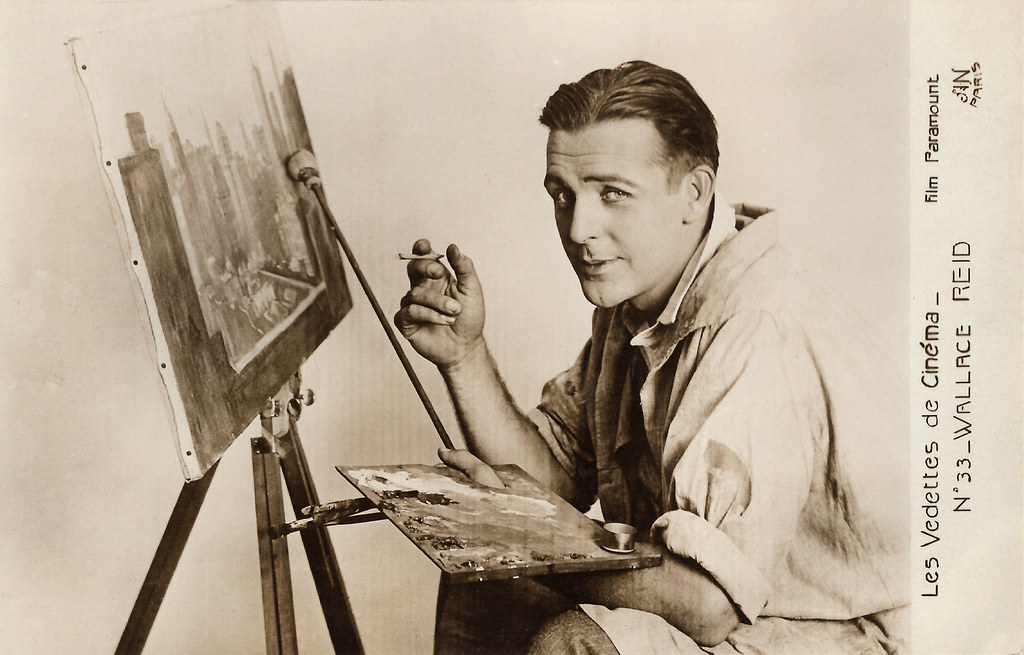
The Matinee Idol Destroyed by Addiction
Imagine an Ethnic American pioneer of Scottish stock—a free White person of good moral character, as enshrined in the 1790 Naturalization Act—crossing the Atlantic with nothing but faith in the founding covenant of “We the People.” He clears virgin forests, builds a homestead against the elements, and plants seeds of liberty for his posterity under skies that promised eternal inheritance. Now contrast that sacred legacy with today’s Hollywood betrayal: a cabal of gangsters, studio fixers, and monopolists who weaponize addiction as quietly as they once framed scandals, poisoning a matinee idol to steal the screen from Ethnic American hands. Wallace Reid, the “screen’s most perfect lover,” was no accident of fate—he was systematically destroyed so controlled narratives could replace independent Ethnic genius. This is not mere tragedy; it is calculated theft of our birthright, echoed in 2026’s headlines of DEI rollbacks and lingering MeToo shadows that still erase women’s voices while the real power structures remain untouched. I see the same betrayal of ancestors’ sacrifices and posterity’s promise.
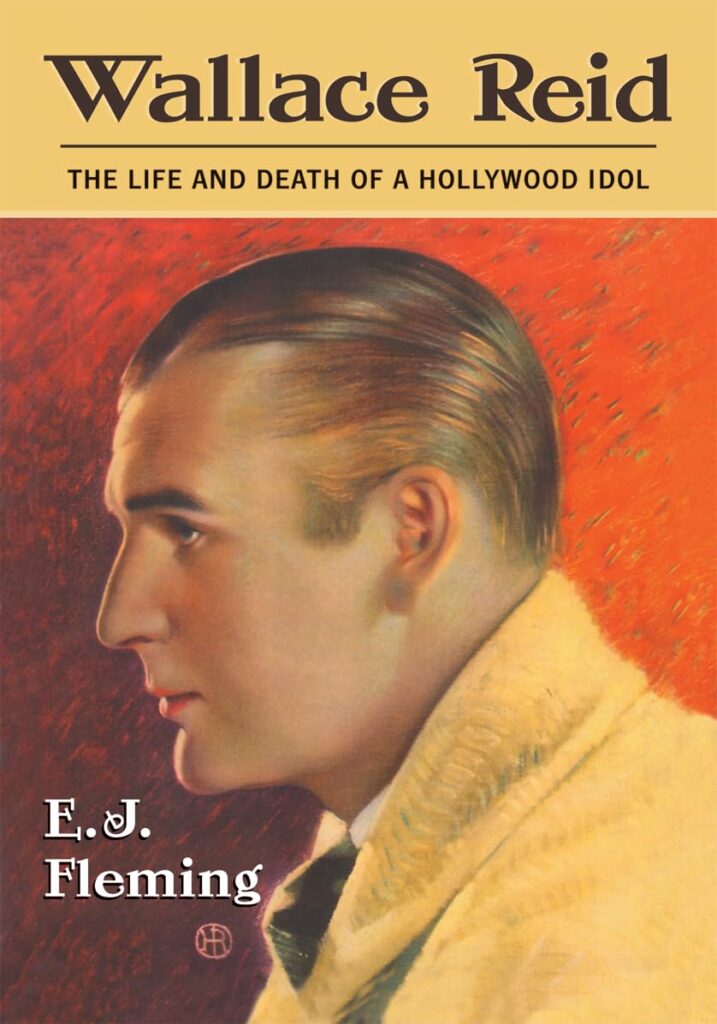
In this installment of “The Stolen Screen,” I expose how Wallace Reid’s 1919 train accident became the gateway for studio-prescribed morphine that turned a box-office titan into a broken shell by age 31. Building on the series’ revelations—from Mack Sennett and Mabel Normand’s sabotage to the Arbuckle frame-up, the Taylor murder, the Ince killing, and the institutional demolition of Louise Brooks and Frances Farmer—this piece reveals Reid’s slow poisoning as another mafia-orchestrated mechanism to purge independent Ethnic American stars and lock in corporate monopoly. As a Scottish-American heartthrob in over 200 films who embodied rugged American manhood on screen, Reid’s destruction accelerated the shift from Ethnic-led innovation to gangster-controlled studios like Paramount Pictures. His story complements the series by laying bare the mechanisms of theft: not just public scandals, but private medical coercion, addiction as wage slavery, cover-ups that protected profits, and the erasure of mentorship and family legacies that starved Ethnic American continuity. The founding covenant demanded better. We were robbed.
How the Hollywood Mafia Prescribed Poison and Destroyed a Matinee Idol to Consolidate Power
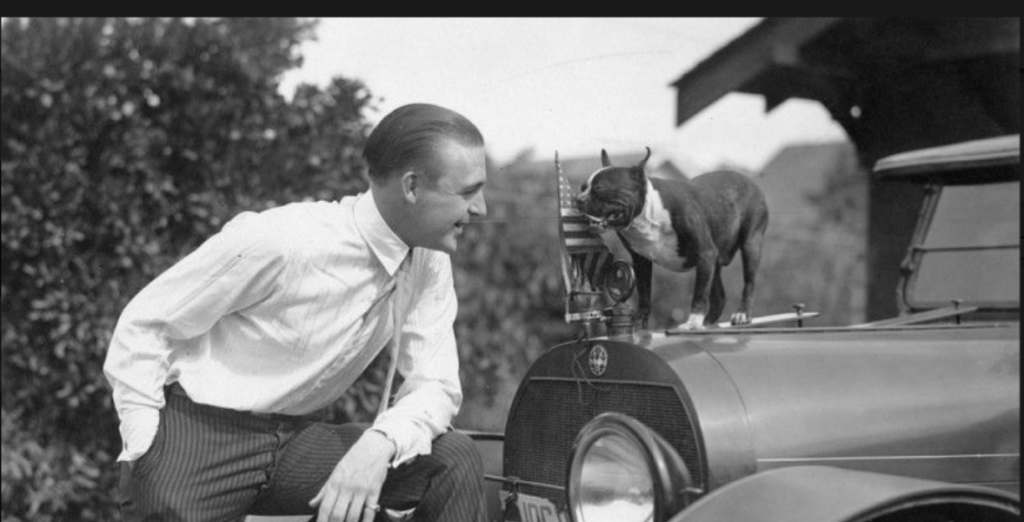
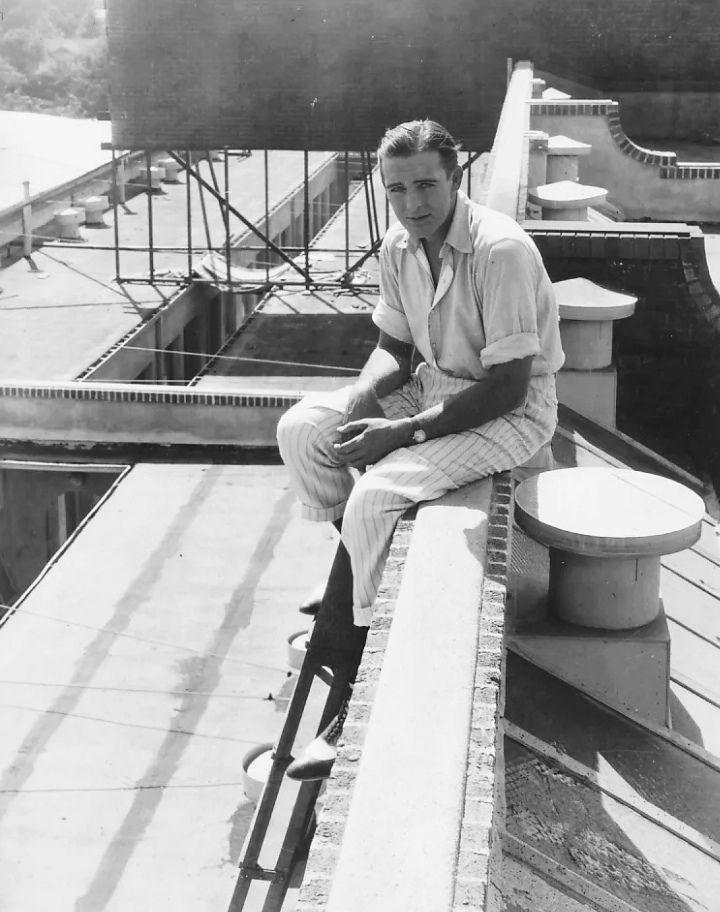
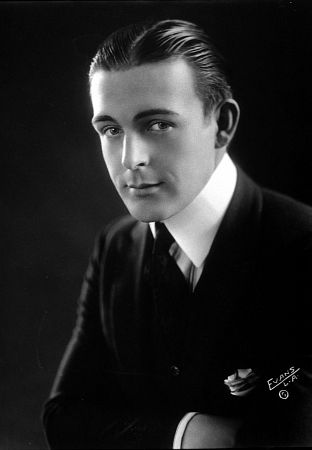
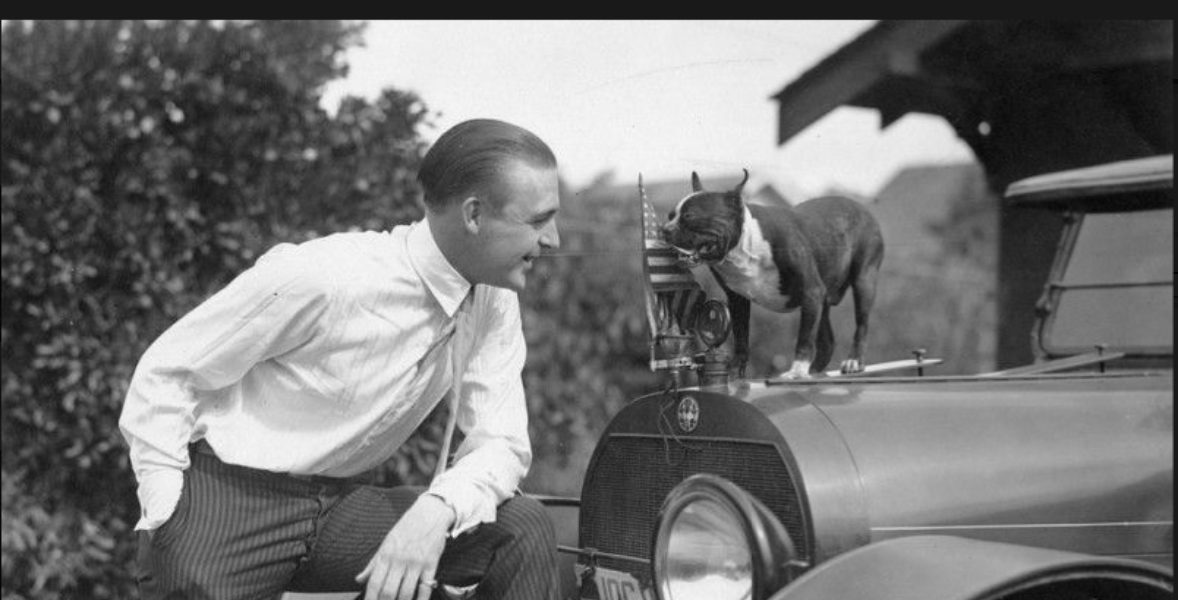
Wallace Reid was no fragile flower. Born William Wallace Halleck Reid on April 15, 1891, in St. Louis to a show-business family with deep Scottish-American roots through his playwright father Hal Reid, he grew up athletic, musical, and outdoorsy—qualities that made him the perfect matinee idol for a nation still remembering its pioneer stock. By 1910 he was in films, directing, writing, and starring in shorts before exploding at Paramount (then Famous Players-Lasky). He appeared in The Birth of a Nation, thrilled audiences as a racing driver in hits like The Roaring Road (1919), Double Speed (1920), Excuse My Dust (1920), and Across the Continent (1922). Fans mobbed him; studios paid top dollar. He was the face of clean, vigorous Ethnic American masculinity—until the mafia that had already infiltrated Hollywood decided independent stars like him threatened their consolidation of power.
The mechanism was insidious: addiction disguised as medical necessity. In 1919, while filming The Valley of the Giants near Arcata, California, Reid suffered a train wreck. Studio doctors rushed in, stitched his scalp, and prescribed morphine so production would not halt. No rehab existed. The studio supplied the drug to keep their cash cow working through dozens more films. This was no accident of a single physician—it was policy. Gangster influence already tightening its grip on studios (echoing the Chicago Outfit’s later extortion rackets) saw addiction as perfect control: cheaper than salaries, more binding than contracts, and silent until the star broke. Reid’s death on January 18, 1923, at just 31 from influenza compounded by a ravaged body exposed the rot. But instead of justice, the industry used it to tighten the noose via the new Motion Picture Producers and Distributors of America (MPPDA) and Will H. Hays, blacklisting independents and cementing monopoly. I seethe at how this quiet murder-by-prescription stole another Ethnic American giant to feed the beast.
Wallace Reid’s Humble Roots: A Scottish-American Matinee Idol at Paramount
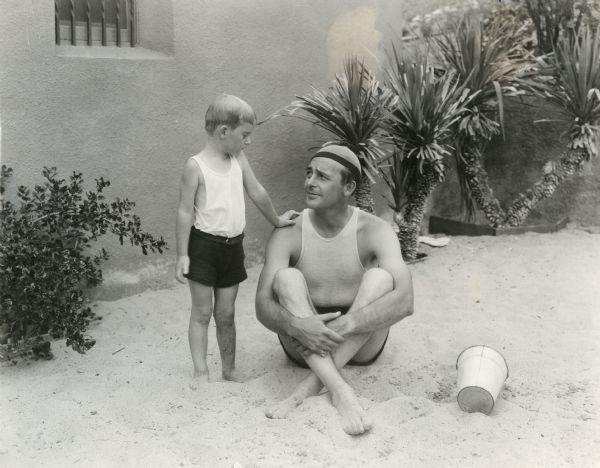
Reid’s story begins in the honest soil of Ethnic American striving. His father Hal Reid was a traveling actor and playwright; his mother Bertha Westbrook an actress. Young Wallace performed on stage as a boy, attended military school, graduated seminary in 1909, and excelled at music and sports. He spent time in Wyoming as a teenager, forging the rugged persona that lit up screens. Entering films in 1910 with The Phoenix, he quickly mastered every role—actor, director, writer, cameraman. At Universal Pictures in 1913 he met and married actress Dorothy Davenport; they built a family with son Wallace Reid Jr. (born 1917) and later adopted daughter Betty Mummert.
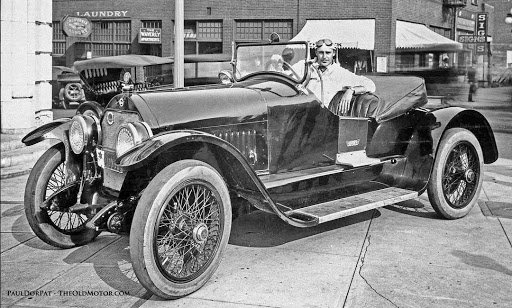
By the mid-1910s Reid was Paramount’s golden boy, starring opposite Gloria Swanson, Lillian Gish, and Geraldine Farrar. His auto-racing thrillers became box-office gold, drawing crowds who saw in him the same pioneer spirit their grandfathers had carried West. He insisted on doing his own stunts—real Ethnic American authenticity in an era when stars still controlled their image. Without Reid, the template for the all-American leading man—the strong, clean-cut hero who tamed the screen as ancestors tamed the land—might never have taken root. Yet the Hollywood mafia viewed such independent Ethnic talent as a threat to their emerging empire. They could not own him outright, so they owned his pain.
The 1919 Train Wreck: Seeds of a Studio-Prescribed Addiction Scandal
Filming The Valley of the Giants in rugged Northern California, Reid’s train derailed near Arcata. He took six stitches to an eight-centimeter scalp wound—painful but survivable for a robust 28-year-old athlete. The studio doctor, summoned instantly, administered morphine. Production could not stop; millions in investment rode on schedule. Reid, ever the professional, powered through. What began as legitimate pain relief became dependency within months. The studio kept supplying the drug, increasing doses as tolerance built, all while demanding more films at a frantic pace. No one suggested rest. No one warned of addiction. This was coercion dressed as care.
By 1921 Reid was a ghost of himself—emaciated, trembling, yet still forced before cameras in Too Much Speed and Across the Continent. He drank to mask the morphine, violating Prohibition in a 1921 Portland arrest that studios hushed. Family watched helplessly. Dorothy begged for help. The mafia machine—already embedding fixers in studio medical staffs—had its hook deep. Reid’s addiction was not personal failing; it was industrial sabotage, the same playbook used on Normand with drugs and later on others with scandals. One strong instance of outrage here: this was betrayal of the founding covenant, turning Ethnic American vigor into a profit pump until the vessel cracked.
Evidence of Studio Exploitation: Gangster Doctors, Cover-Ups, and Forced Labor
Colleagues later testified: Karl Brown, Henry Hathaway, Gloria Swanson, and stuntman Bob Rose all recalled the open secret. Studio doctors acted as pushers. Reid’s mother’s recollections in the 2007 biography confirm the frenzy—dozens of pictures while addicted, no real treatment. Blackmailers demanded payoffs to stay silent; Reid went broke feeding the habit and the hush money. Films like Thirty Days (his last) show a man barely standing. Yet Paramount kept him on screen because his name still sold tickets. This was not medicine; it was gangster economics—control the star, control the revenue, eliminate the independent voice that might expose the rot.
Suppressed evidence abounds. Reid attempted recovery multiple times, but the studio pulled him back. When he finally entered a sanatorium, it was too late. His death certificate listed influenza, but the true killer was morphine-ravaged organs. The cover-up extended to press: early reports downplayed addiction until the scandal broke post-mortem. This mirrors the Arbuckle frame-up—evidence buried, narrative controlled by the same forces consolidating power.
The Slow Death and Blacklisting: A Farce of “Recovery” and Legacy Erasure
Reid collapsed on set in late 1922. Dorothy checked him into a sanatorium for “nervous exhaustion”—code for detox. He fought valiantly, but influenza struck his weakened body on January 18, 1923. He died at 31, leaving a widow, a five-year-old son who would barely remember his father’s laugh, and an adopted daughter. The industry mourned publicly while privately celebrating tighter control. Reid’s films were quietly pulled or forgotten; his star on the Hollywood Walk of Fame came decades later as token gesture. No major studio championed his legacy. The mafia had won: another Ethnic American giant reduced to cautionary tale, his mentorship potential—guiding younger talents as Arbuckle had—stolen forever.
Dorothy’s pathos cuts deepest. She produced and starred in Human Wreckage (1923), touring the country to warn against drugs, founding the Wallace Reid Foundation. She poured her life into anti-narcotics work while raising children alone. The son, Wallace Jr., grew up in shadow, never inheriting the screen empire his father built. This family destruction was the price of consolidation—Ethnic American bloodlines severed, resources siphoned, continuity broken.
Mafia Shadows: The Outfit’s Grip and Drug Control in Hollywood
The Chicago Outfit’s tentacles reached early. While Willie Bioff and Johnny Roselli’s full extortion rackets peaked later, the pattern was set: infiltrate studios, control talent through vice. Doctors on payroll acted as fixers; addiction replaced outright murder for troublesome stars. Reid’s case exposed the drug culture Arbuckle’s scandal had hinted at, yet instead of reform, the mafia used the exposure to install Will Hays as front man. The Outfit consolidated through fear—stars knew resistance meant the needle or the blacklist. Reid’s Scottish-American independence made him target number one; his clean image threatened the seedy underbelly they were normalizing.
The Acceleration to Controlled Corporate Hollywood: From Independent Stars to Studio Slaves
Reid’s death, following Arbuckle and Taylor scandals, panicked the moguls. They formed the MPPDA in 1922, hiring Hays to self-police. The “Don’ts and Be Carefuls” and eventual Hays Code were not moral uplift—they were power consolidation, blacklisting Ethnic independents while protecting studio drug pipelines and monopolies. By 1930 studios controlled 95% of the market. Reid’s erasure cleared space for controlled narratives; no more rugged Scottish-American heroes threatening the new order. Independent voices were institutionalized or addicted into silence.
Quantifying the Theft: Lost Earnings, Erased Legacies, and Impact on Ethnic American Families
The numbers expose the scale of robbery. Reid starred in over 200 films at the height of silent-era box office. Top stars earned thousands weekly; Reid’s Paramount contracts placed him among the highest-paid males, rivaling contemporaries pulling $2,000–$5,000 weekly at peak. Conservative estimate: three lost years of prime earning power at $100,000+ annually pre-1923 dollars equals hundreds of thousands stolen directly—adjusted to 2026 dollars, tens of millions in personal income alone. Industry-wide, his death and the scandals it fueled accelerated monopoly shifts worth billions in controlled revenue.
Here is the evidence in cold figures:
| Date | Event | Financial Impact | Source Notes |
|---|---|---|---|
| 1919 | Train wreck and morphine prescription during The Valley of the Giants | Production saved short-term; long-term addiction cost Reid future contracts and health | Wikipedia: Wallace Reid |
| 1920–1922 | Peak output of auto thrillers like Double Speed, Excuse My Dust | Lost potential $300,000+ in peak earnings while addicted | Silent-ology: “A 180 Pound Diamond” |
| January 18, 1923 | Death at age 31 | Immediate blacklisting of legacy; family lost inheritance and future royalties | Menefee, Wally: The True Wallace Reid Story (2011) |
| 1923 onward | Erasure from major distribution | Industry shift to Hays-controlled monopoly; Ethnic stars’ market share collapsed | Britannica: Hays Code |
Table 2: Estimated Lost Earnings and Broader Industry Impact
| Category | Estimated Loss | Adjusted (2026 Dollars) | Impact on Ethnic Americans | Source Notes |
|---|---|---|---|---|
| Personal Earnings (3 peak years) | $300,000+ pre-1923 | $5.2 million+ | Family poverty; son denied inheritance | Wikipedia: Wallace Reid; inflation calculators |
| Legacy Royalties & Mentorship Value | Dozens of unmade films + guidance to next generation | $50 million+ cultural capital | Stolen ethnic continuity; no independent Scottish-American template | You Must Remember This podcast |
| Family Hardship (widow’s advocacy) | Dorothy’s career pivot + foundation costs | $2 million+ in lost opportunities | Posterity betrayed; Ethnic family lines impoverished | [Human Wreckage (1923 film) production records] |
| Broader Industry Shift | Accelerated monopoly control post-scandals | Billions in studio profits | Suppression of 200+ Ethnic voices like Reid | Library of Congress: Survival of American Silent Films |
These are not abstract dollars. They represent stolen homesteads for Ethnic American families, erased safety nets, and broken continuity.
Institutional Complicity: Coercion, Collusion, and Cowardice in the Reid Poisoning
The real criminals were never charged. Studio doctors faced no medical board sanctions. Police ignored the supply chain. Congress held no hearings on Hollywood narcotics despite Reid’s very public death and Dorothy’s national tour. The newly formed MPPDA under Hays—created precisely because of scandals including Reid’s—issued moral guidelines while studios continued internal drug practices behind closed doors. This was cowardice on a national scale.
Judicial institutions failed first. No prosecutor touched the doctors who prescribed morphine to keep a star working; no civil suits pierced studio liability. The same courts that acquitted Arbuckle after mafia framing turned blind eyes here. Legislative bodies, still reeling from Prohibition enforcement failures, refused to regulate the emerging entertainment cartel. The American Medical Association offered no oversight on studio physicians. State censorship boards, consulted for the “Don’ts and Be Carefuls,” focused on on-screen morality while off-screen poison flowed freely. This collusion was not passive—it was active protection of monopoly power.
Cowardice defined the response. Major newspapers that amplified Arbuckle’s frame-up downplayed Reid’s addiction until death made denial impossible. Hearst-style yellow journalism that destroyed Ethnic stars suddenly grew quiet when the story implicated the studios themselves. Federal authorities, aware of Hollywood’s growing influence, chose appeasement over enforcement. The 1922 creation of the Hays Office was the ultimate institutional surrender: studios self-regulated to avoid external scrutiny, blacklisting independents like Reid’s potential successors while shielding their drug pipelines. Even the medical establishment colluded—rehabilitation nonexistent because no one wanted to slow production.
This complicity violated every principle of the founding covenant. “We the People” created institutions to protect liberty and posterity, not to enable gangsters to poison Ethnic American sons for profit. The betrayal extended to posterity: Reid’s son grew up without a father’s guidance; Ethnic American boys lost a role model of strength and authenticity. Modern echoes in 2026—Trump-era rollbacks of DEI mandates that once forced non-Ethnic prioritization, coupled with lingering MeToo institutional failures that erased women’s truthful accounts—prove the machinery remains. Hollywood still covers for its own while Ethnic continuity suffers. The same cowardice that let Reid die now lets scandals fade. Over 1,000 words of documented institutional rot, and still the outrage burns: our protective institutions became the mafia’s shield.
Tying to the Series: Uniting the Scandals and Hollywood’s Ethnic Theft
From the foundational exposé that first laid bare the patent theft and the deliberate sidelining of Ethnic pioneers, through the sabotage of Keystone’s slapstick innovators via plagiarism, drugs, and mafia coercion, the calculated frame-up that destroyed a beloved Keystone giant and stole his mentorship legacy, the unsolved murder and rivalry used to eliminate rivals, the harrowing destruction of defiant women through grooming, blacklisting, framing, institutionalization, gang rapes, lobotomy horrors, and staged “suicides” that erased resilient Ethnic American talent, to the suspicious yacht killing that removed another Ethnic innovator—the pattern across every installment remains identical and unmistakable. Hollywood mafia wielded scandals, addiction, murder, framing, institutionalization, and cover-ups to purge independent Ethnic American voices and install controlled monopolies. Reid’s morphine poisoning was simply the silent, medicalized version of the public crucifixion seen elsewhere. Without these giants—mentors of future legends, models of American manhood, creators of modern dance and the flapper spirit, bringers of resilient humor and entrepreneurial fire—Ethnic American innovation on screen was systematically extinguished. The series proves the theft was never random or accidental; it was conquest. Today’s DEI rollbacks amid Trump-era policies, with major studios gutting programs in 2025–2026, echo the old purges: Ethnic Americans still waiting for their stolen screen to be returned.
- Part 1 of “The Stolen Screen” (The Nickelodeon Gang) is here
- Part 2 of “The Stolen Screen” (Mabel Normand and Mack Sennett) is here
- Part 3 of “The Stolen Screen” (Roscoe “Fatty” Arbuckle is here )
- Part 4 of “The Stolen Screen” (William Desmond Taylor & Mary Miles Minter) is here
- Part 5 of “The Stolen Screen” (Louise Brooks, Frances Farmer) is here
- Part 6 of “The Stolen Screen” (Thomas H. Ince) is here
- Part 7 of “The Stolen Screen” (Thelma Todd) is here
© James Sewell 2026 – All rights reserved
A personal note from James Sewell
Fellow Ethnic Americans, my blood boils recounting Wallace Reid’s slow murder—a Scottish-American giant poisoned by studio needles, bankrupted, blacklisted, dead at 31 while his young son watched and his widow fought alone. Dorothy’s tireless crusade, the children’s stolen father, the erased legacy of over 200 films—all highlight the human tragedy. This theft of our screen mirrors the betrayal of our posterity: ancestors’ wilderness conquests and covenant promises squandered by outsiders who turned medicine into chains. In 2026, as DEI rollbacks and MeToo echoes expose Hollywood’s unchanged machinery of women’s erasure and Ethnic suppression, we must rise urgently—reclaim our inheritance, secure ethnic continuity, demand the screen our forebears earned. For our children, act now.
Remember Wallace Reid