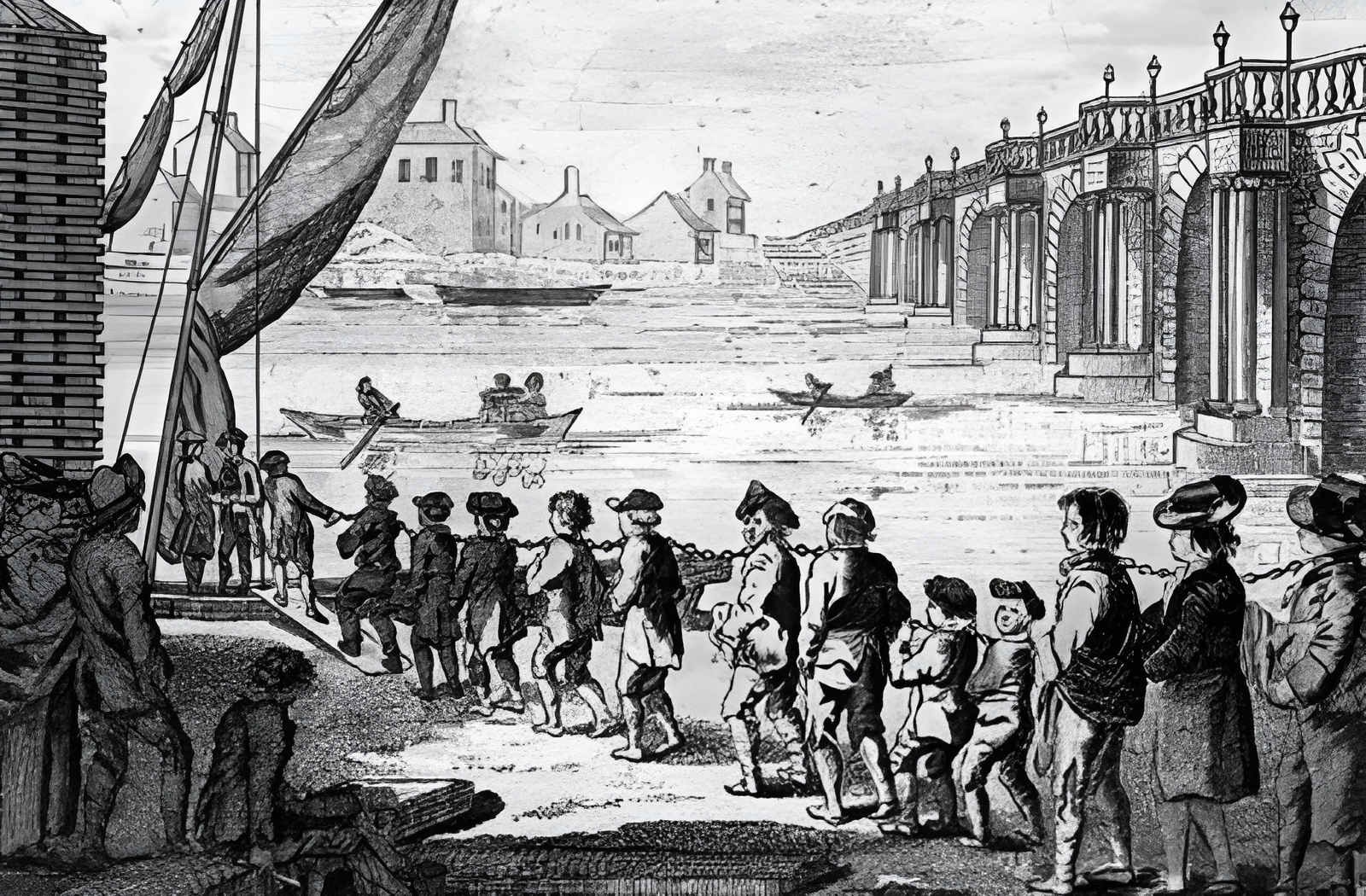
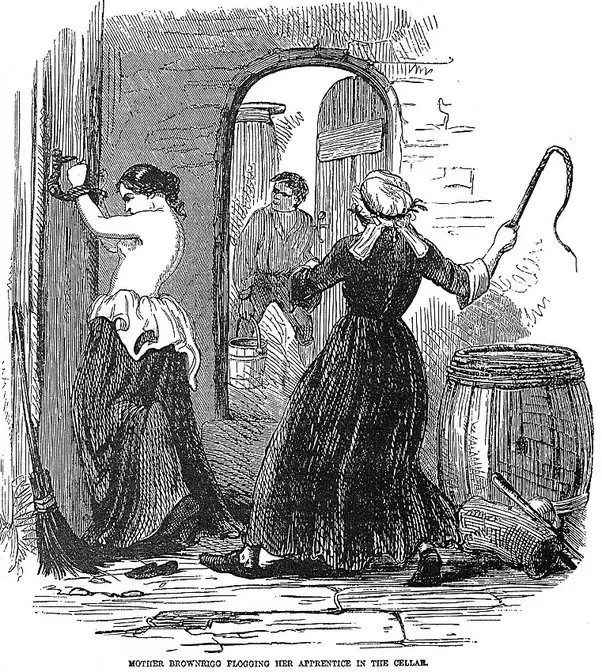
Slavery has been a grim part of human history since ancient times, with evidence dating back to civilizations from Mesopotamia to Egypt where captives from wars were forced into labor. The English word “slave” itself derives from “Slav,” referring to the Slavic peoples of Eastern Europe who were frequently enslaved during the Middle Ages. From the 9th century onward, Slavs were captured and sold by various groups, including the Byzantines, Ottomans, and Muslim traders, leading to the term’s evolution in Latin and European languages.
One of the longest-running slave trades was the Arabic slave trade, which targeted various groups, including White Europeans. Arab raiders and pirates from North Africa, known as the Barbary corsairs, captured over a million Europeans between the 16th and 19th centuries, often through coastal raids on places like Italy, Spain, and England. White European women were particularly prized as concubines in harems, fetching high prices and earning the label “White Gold” due to their perceived value in the markets of Algiers, Tunis, and Tripoli.
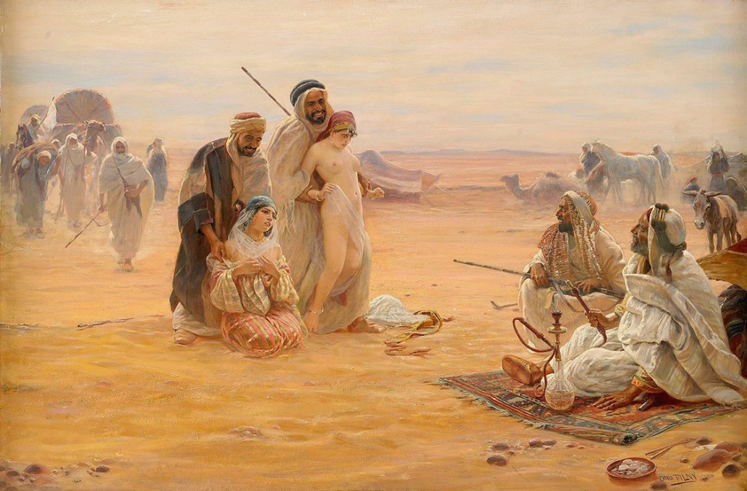
Parallel to this was the Trans-Saharan slave trade, operated by Arab Muslim traders across the Sahara Desert, which lasted from around the 7th century to the early 20th century over 1,300 years. Estimates suggest 9 to 17 million Africans were enslaved and transported northward to North Africa and the Middle East. African kingdoms and tribes often captured and sold their own war prisoners or rivals to Arab merchants, fueling the trade. The brutality was extreme, every male slave was castrated to serve as eunuchs or prevent reproduction, with a fatality rate as high as 90% from the procedure alone. Combined with the harsh desert crossings, mortality rates overall were staggering, often described as a “veiled genocide” of African Tribes.
Shifting to the Western hemisphere, the Trans-Atlantic slave trade, spanning the 16th to 19th centuries, involved shipping around 12 to 12.8 million Africans across the ocean. Of those who survived the Middle Passage (about 10.7 million), the majority went to the Caribbean (roughly 4-5 million) and South America (around 5 million, with Brazil alone receiving nearly half). Only about 300,000 arrived directly in what became the United States. In colonial America, labor systems began with indentured servitude, where individuals worked for a set period (often 4-7 years) in exchange for passage and eventual freedom. Many early arrivals were White Europeans often children, including tens of thousands of Irish who were sent as indentured servants or convicts during the 17th century, often under harsh conditions following English conquests in Ireland. Estimates suggest over 350,000 White indentured servants came to the colonies overall. Africans also arrived as indentured servants initially, like the “20 and odd” in Virginia in 1619, but the system evolved into lifelong chattel slavery for the Africans. A pivotal moment came in 1655 in Virginia, when Anthony Johnson a former African indentured servant who had gained freedom owning both White and African indentured servants. Sued and won a court case against his servant John Casor, declaring Casor a slave for life. This marked one of the first legal recognitions of hereditary slavery in the colonies.
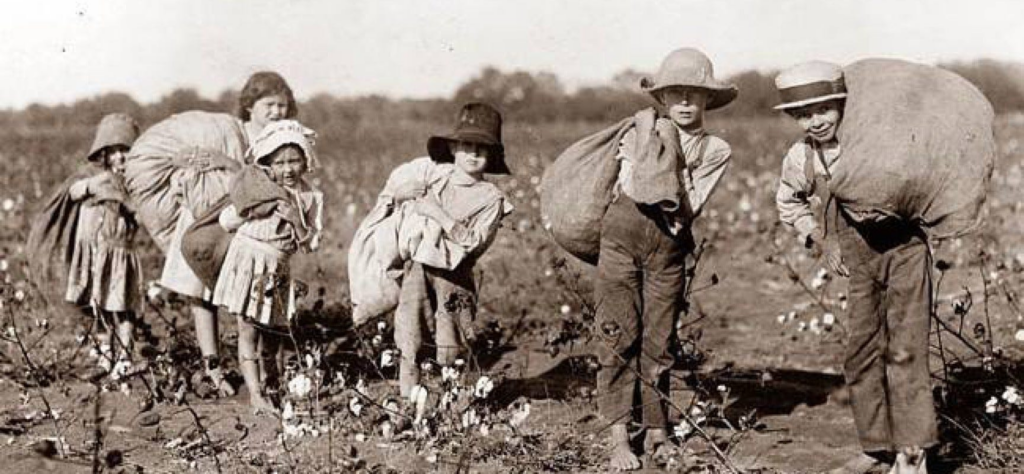
After independence, the U.S. Founding Fathers addressed slavery’s expansion. The Constitution allowed Congress to ban slave importation after 20 years, and in 1807, President Thomas Jefferson signed the Act Prohibiting Importation of Slaves, effective January 1, 1808 just over two decades after the nation’s founding.
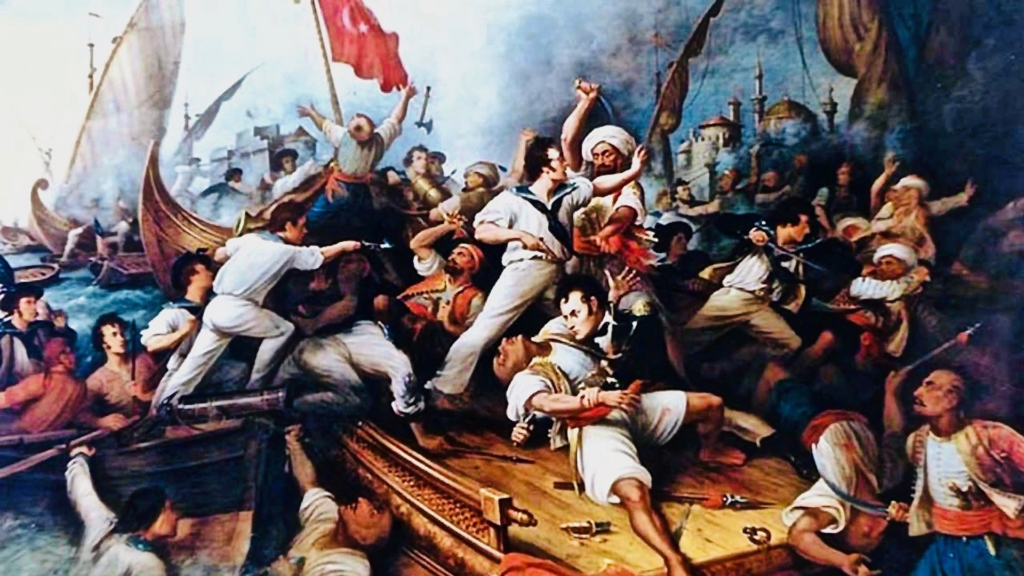
During the Barbary Wars (First: 1801-1805; Second: 1815), American forces fought North African states to end the enslavement of U.S. sailors and curb the Barbary pirates’ slave-raiding, marking an early international effort against African-based slavery. Post-Barbary Wars, the U.S. supported the founding of Liberia in 1822 through the American Colonization Society, as a homeland for freed African Slaves. By 1847, Liberia gained independence with a government modeled after the U.S. complete with a constitution, flag, and republican structure serving as a form of reparation by providing land and self-governance to thousands of former slaves and free blacks who resettled there. Following the Civil War and the 1865 abolition of slavery via the 13th Amendment within months. Unlike the 14th Amendment, that was debated over for years and never property ratified. It was the assassination of a President and keeping the southern states in war time conditions preventing the Libera plan from coming to fruition.
In summary, while slavery’s roots run deep in human history, the U.S. doesn’t own its origins that burden falls on ancient societies, African tribes who traded captives, and Arab Muslims who perpetuated brutal trades for centuries. America, by contrast, has a legacy of participating at a minor scale then confronting and setting the world on a path of ending slavery globally. In modern times slavery resurfaced in the African nations like Libya where we are seeing the reservice of open air trade markets. In the West we recently had a Ugandan women living in the UK appointed as UN Human Rights judge was convicted of owning a slave. While Western civilization in particularly the United States continues to be blamed with slavery today. Break through the war levels of propaganda. We should abstain from pathetic empathy based on the history of slavery, the history should invoke pride in our ancestors!
Great article Rush. It really elucidates the hidden history of slavery. Kudos
Pingback:The Ethnic American Library - Ethnic American
Pingback:Ye’ Grande Ole Ethnic American Cliff Notes - Ethnic American