Murder and Rivalry
Imagine an Ethnic American pioneer, rifle in hand, crossing the untamed wilderness of the Ohio Valley in 1789, his calloused fingers gripping the stock as he fends off Shawnee warriors to carve out a homestead for his posterity. Blood spills on virgin soil, not for personal glory, but to secure a covenant with future generations—free White persons of good moral character, bound by the sacrifices of ancestors who tamed the land, built the Republic, and enshrined in the Constitution a nation for “Ourselves and our Posterity.”
Fast forward to 1922 in the glittering bungalows of Hollywood: a cabal of opportunists, wielding scandals like weapons, murder a visionary director to sabotage rising Ethnic American stars, clearing the path for monopolistic control. The betrayal is stark—the very industry that could have celebrated our heritage instead becomes a tool for erasure, stealing the screen from those who built it, just as modern policies flood our borders and dilute our cultural inheritance. This is not mere entertainment history; it’s a theft of our birthright, a violation of the founding covenant that demands urgent reckoning.
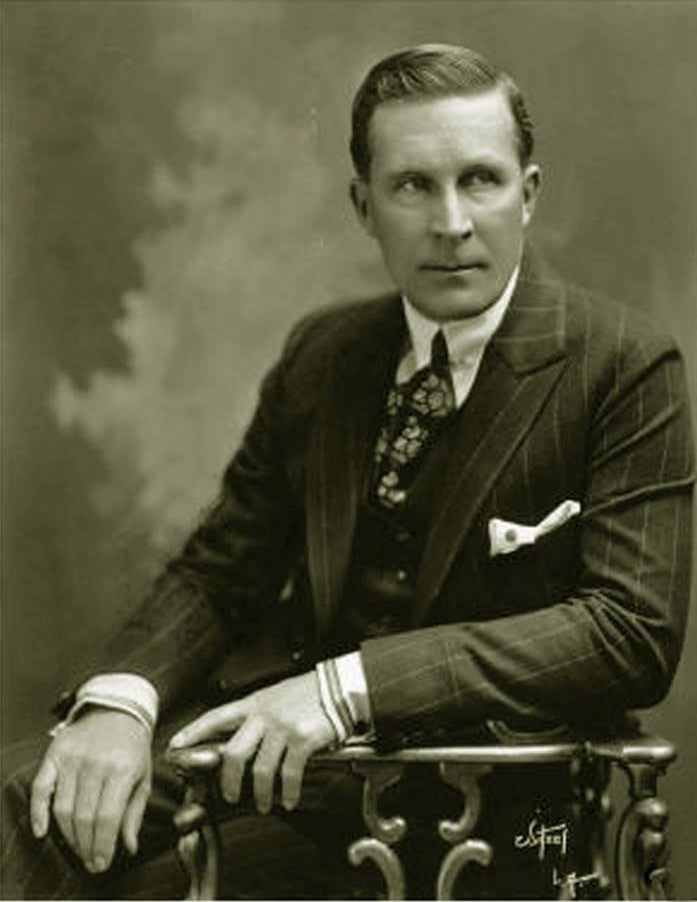
In this installment of “The Stolen Screen,” I expose the calculated destruction of William Desmond Taylor and Mary Miles Minter through murder and rivalry, a pivotal chapter in the broader hijacking of Hollywood from Ethnic Americans. William Desmond Taylor, a refined Anglo-Irish-American director whose films captured the wholesome spirit of our people, was gunned down in his bungalow, entangling his close friend Mabel Normand and the promising ingenue Minter in a web of scandal that ended their careers. This was no isolated tragedy; it complemented the Keystone Architects’ downfall—Mack Sennett‘s studio sabotaged, Mable Normand addicted and disgraced, Roscoe “Fatty” Arbuckle framed—while Charlie Chaplin rose unscathed, plagiarizing his way to founding United Artists with Mary Pickford. The core concept here is the use of engineered scandals, addictions, and violence to eliminate Ethnic American talent, paving the way for Jewish-led studios like Metro-Goldwyn-Mayer (MGM), Paramount Pictures, Warner Bros., Columbia Pictures, and Universal Pictures to dominate. These studios, founded by Jewish immigrants, endure today—while our Ethnic American independents like Keystone Studios, Essanay Studios, Lubin Manufacturing Company, Selig Polyscope Company, Vitagraph Studios, Biograph Studios, and Kalem Company lie in ruins, erased through antitrust pressures, absorption, bankruptcy, under the rising studio monopolies.
This is the mechanism of theft—coercion, murder, monopolization—that robbed our people of an industry meant to reflect our values, echoing the betrayals in prior articles. Yet the series is not confined to American comedy; it began there because the money was enormous, but the takeover spread to every genre—family films, historical epics like D.W. Griffith’s masterpieces. When top talents refused to join the cabal, they were murdered, sidelined, defamed, framed, or institutionalized, as seen with Frances Farmer, Louise Brooks, Roscoe “Fatty” Arbuckle, and even Walt Disney. As an Ethnic American, I write with unyielding outrage at this violation of our ancestors’ legacy, urging a reclaiming of what was stolen before modern DEI and immigration policies complete the erasure.
The Ingenue’s Rise: Mary Miles Minter’s Threat to the Establishment
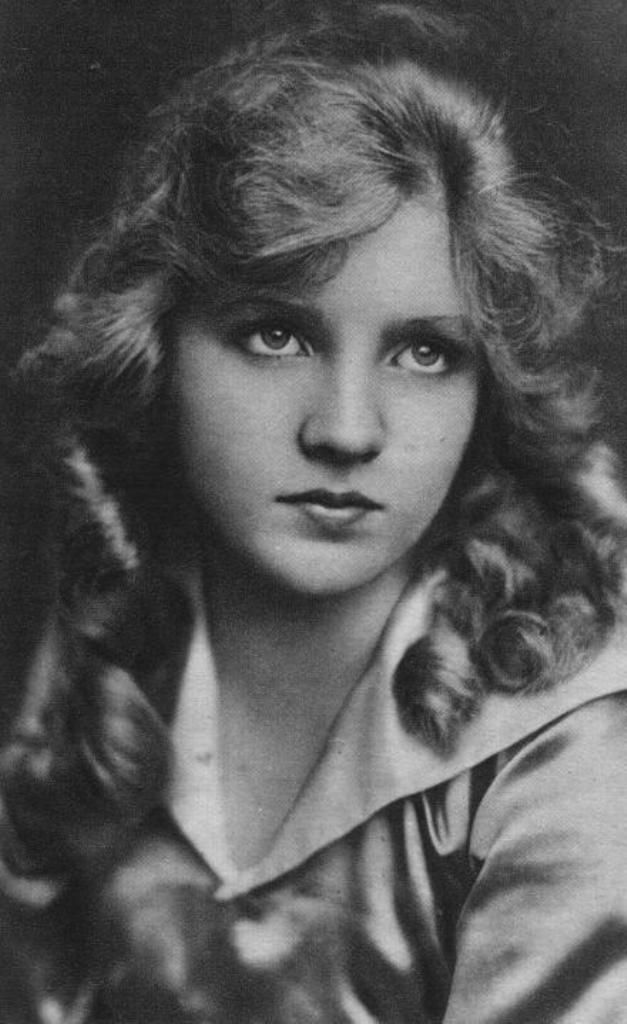
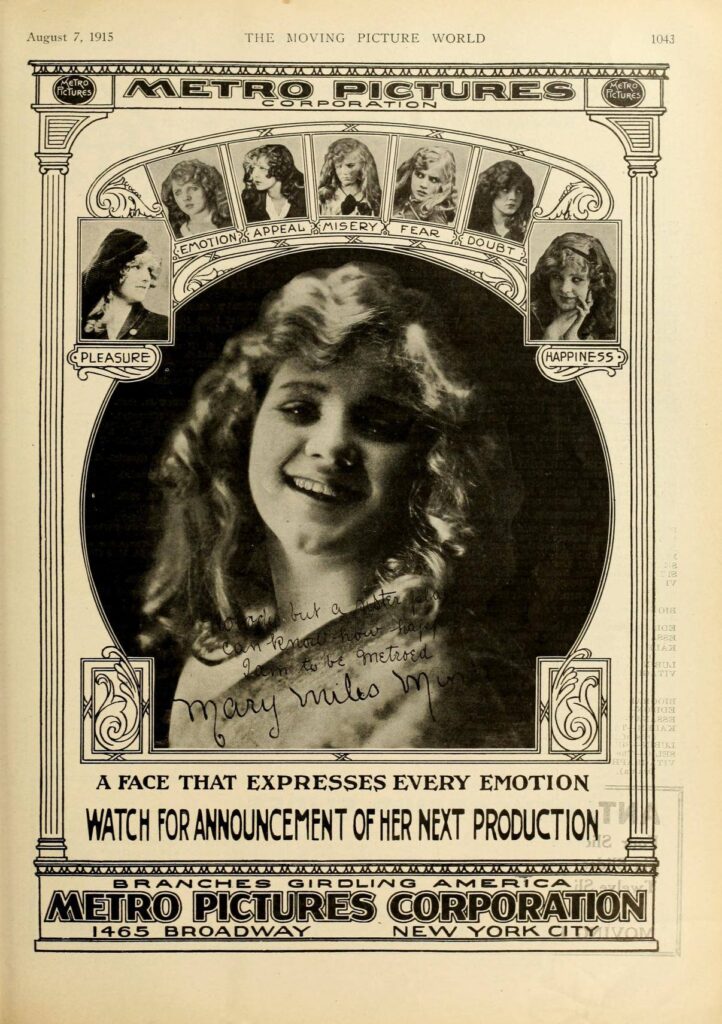
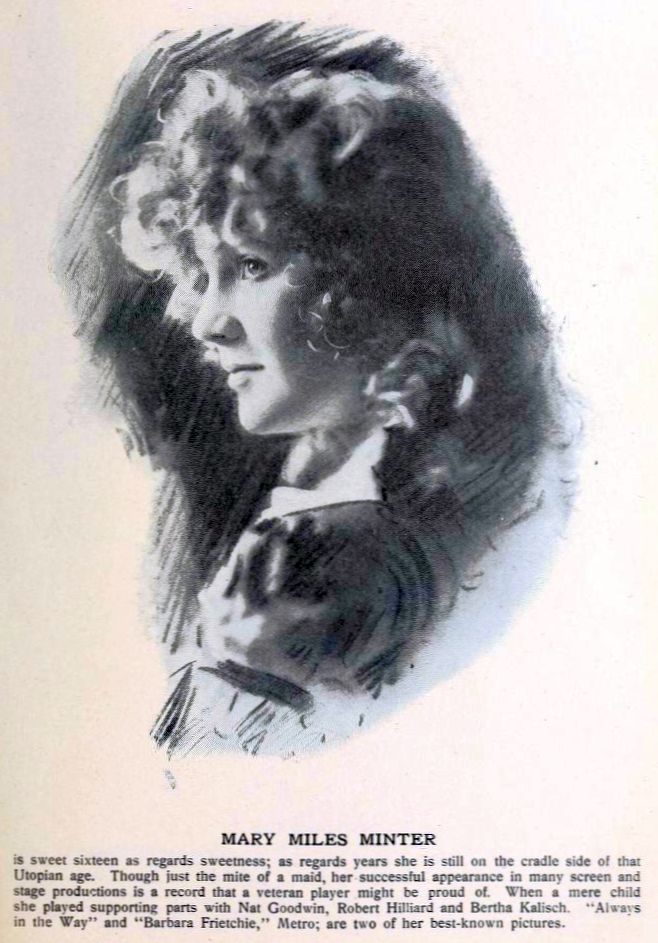
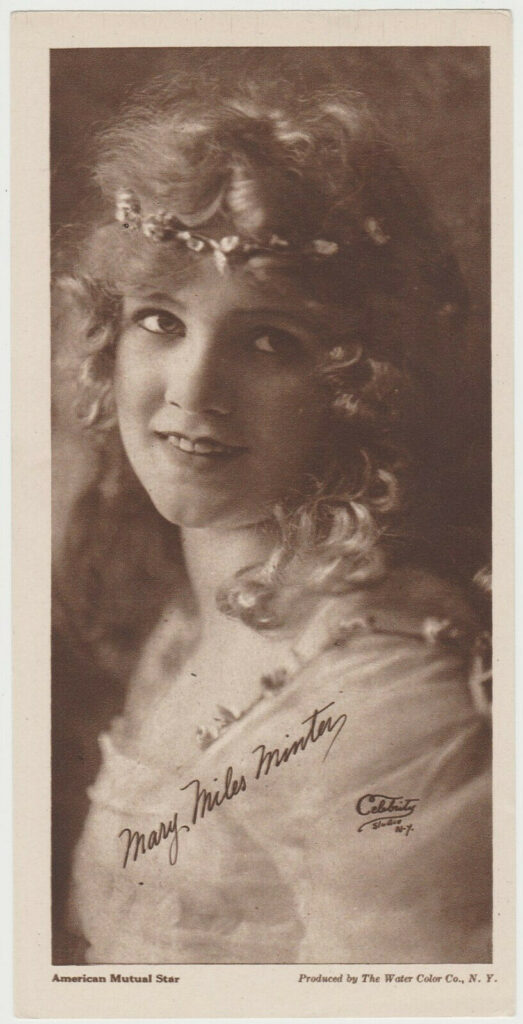
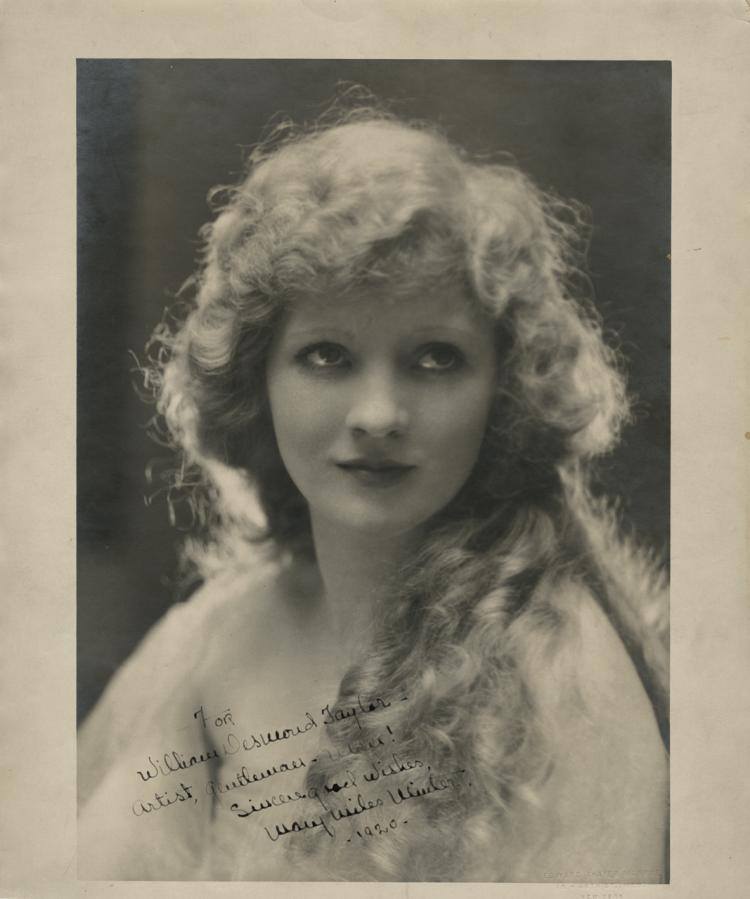
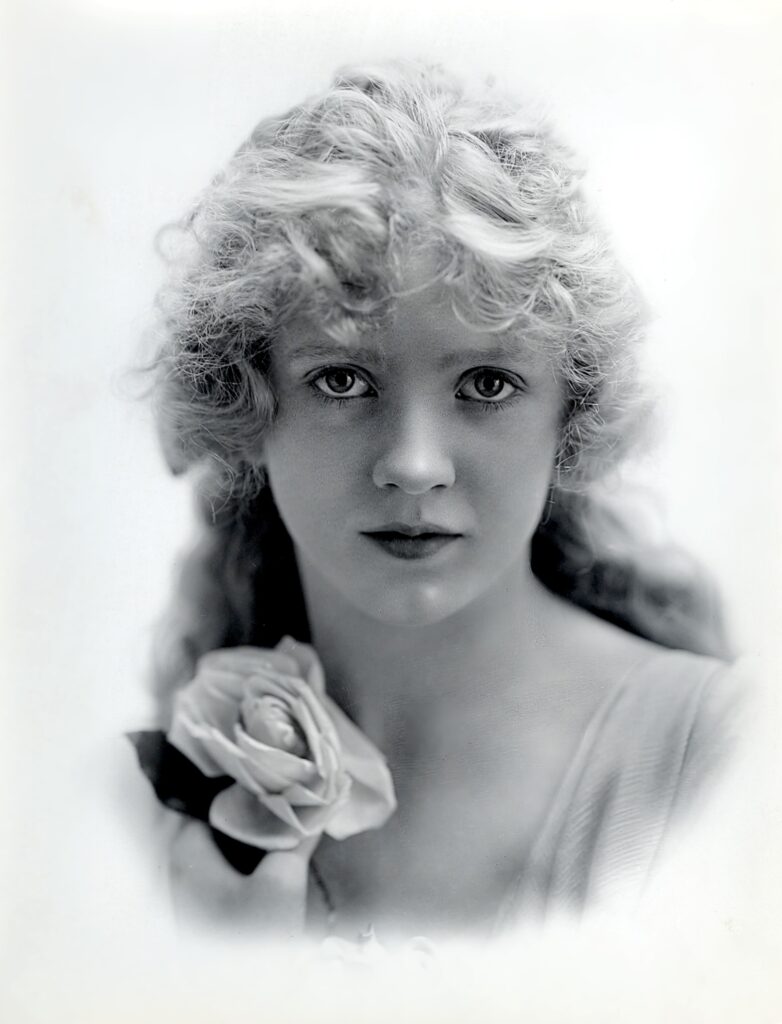
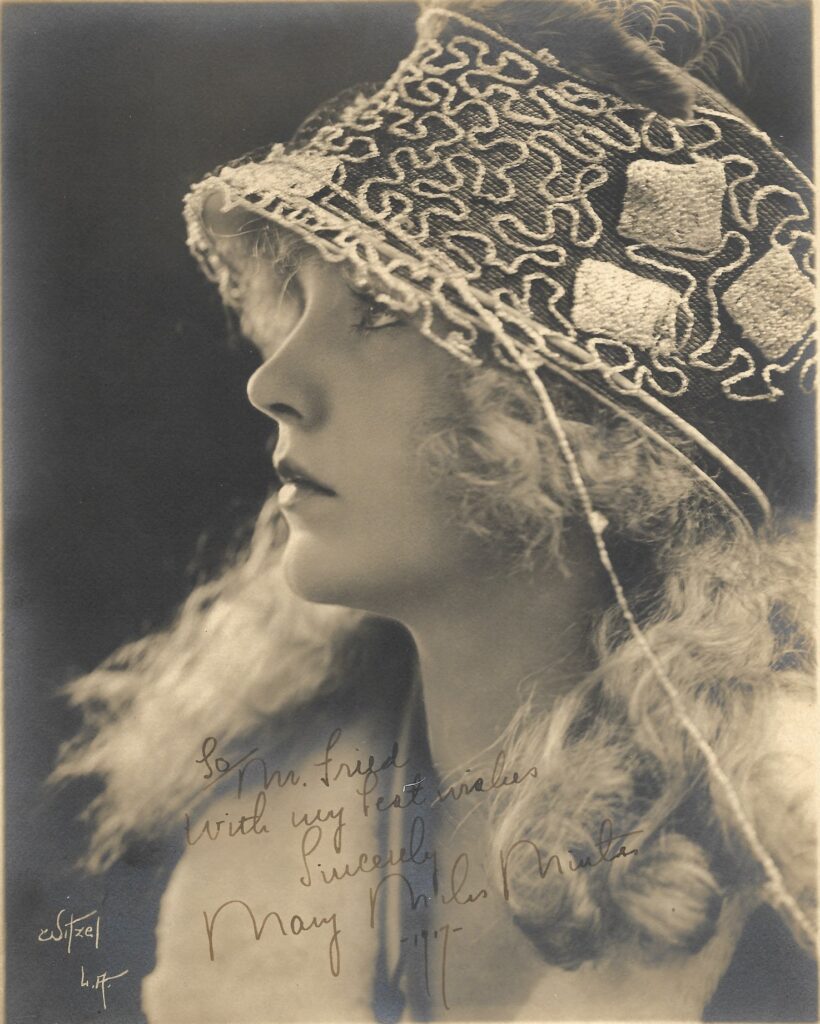
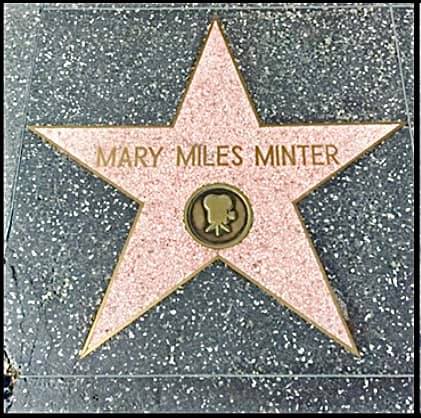
Mary Miles Minter burst onto the Hollywood scene like a fresh prairie wind, embodying the pure, vivacious spirit of Ethnic American womanhood that captivated audiences weary of manufactured stars.
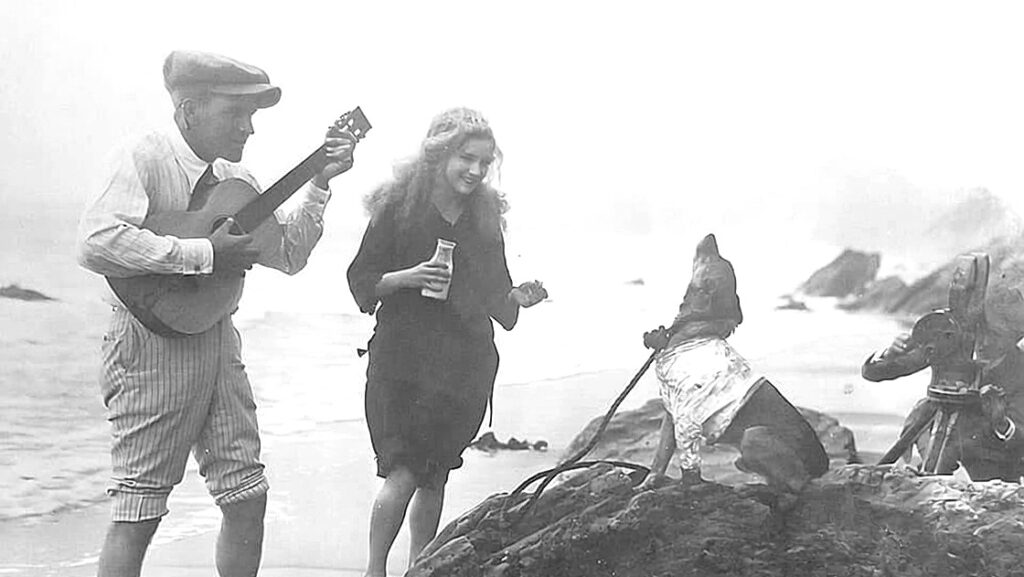
Born Juliet Reilly in Shreveport, Louisiana, in 1902 to a family of Irish and English descent, Minter was a child prodigy whose golden curls and wide-eyed innocence evoked the unspoiled beauty of our pioneer daughters. By age 10, she was starring on Broadway, her talent so undeniable that her ambitious mother, Charlotte Shelby, changed her name to evade child labor laws. Minter’s ascent was meteoric: at Santa Barbara’s Flying A Studios (the American Film Manufacturing Company), she honed her craft in over two dozen films, transitioning from child roles to leading lady by 1919.
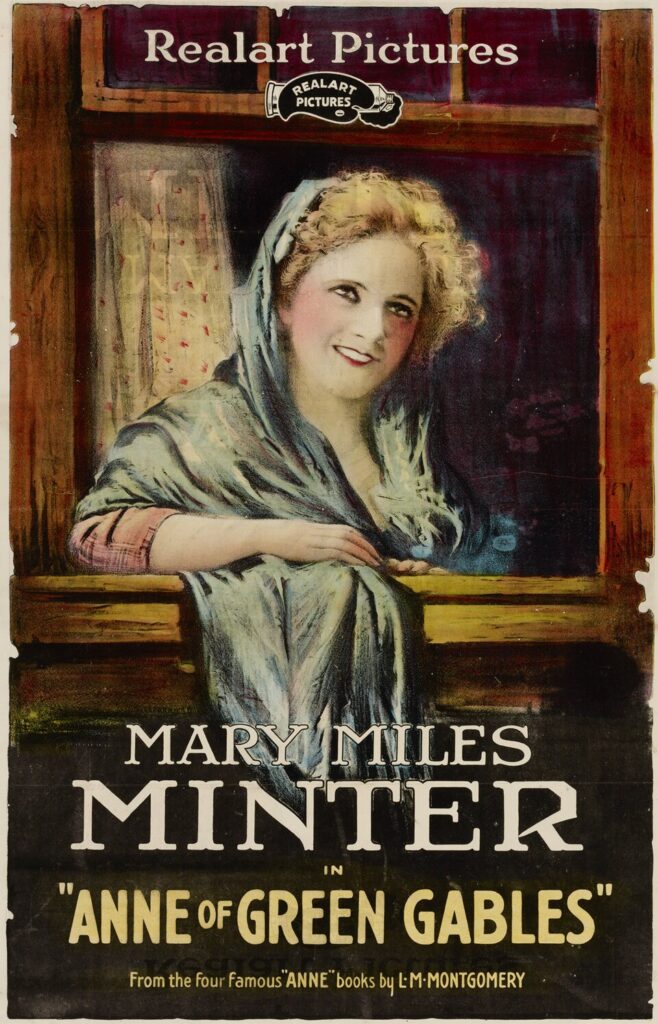
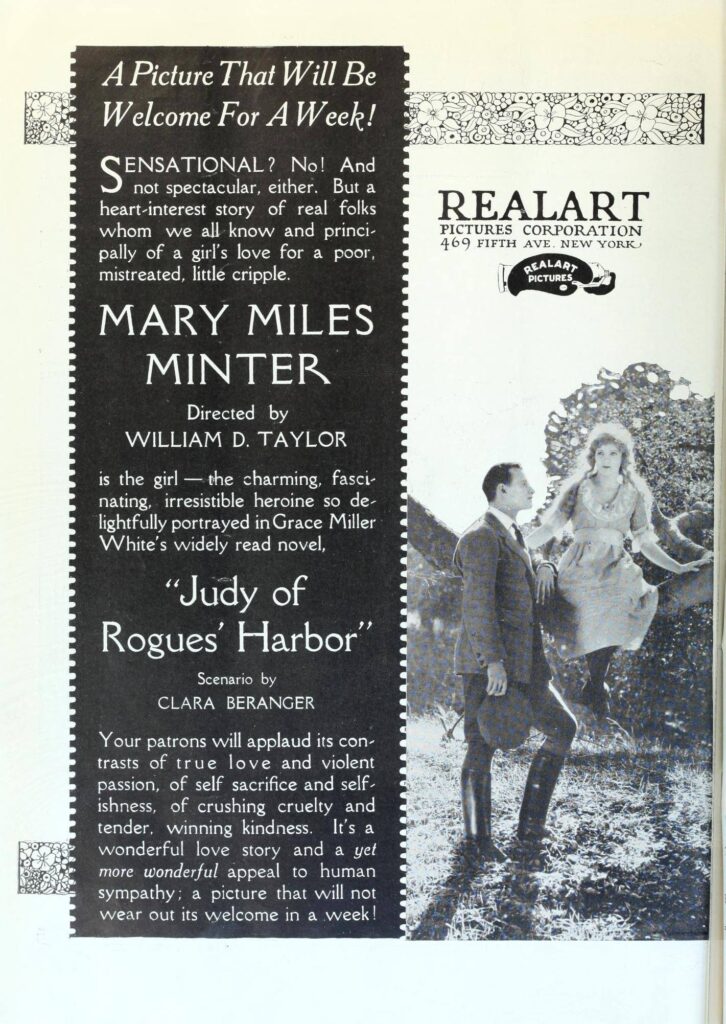
Her breakthrough came with Anne of Green Gables (1919), directed by William Desmond Taylor, where her portrayal of the plucky orphan resonated with Ethnic American families, grossing over $500,000—a fortune equivalent to $9 million today. Critics hailed her as “America’s Darling,” positioning her as a direct rival to the established order and Mary Pickford. Yet Minter’s appeal was deeper: she represented authenticity in an industry increasingly commodified. In 1919, at just age 17, she signed a groundbreaking $1 million contract with RealArt Pictures, making her tied for the third-highest-paid actor in Hollywood behind Charlie Chaplin and Mary Pickford and equal to Roscoe “Fatty Arbuckle”. Adjusted for inflation, that’s over $18 million, underscoring her value as a box-office draw. Her films like Jenny Be Good (1920, watch clips here) and The Little Clown (1921, watch clips here) showcased her range, blending comedy with heartfelt drama that celebrated rural virtues and moral clarity. While full prints are rare, surviving fragments and related silent films are available on YouTube.
The magnitude of Minter’s role in Anne of Green Gables (1919), excerpt here) cannot be overstated, for the source novel by L.M. Montgomery profoundly shaped American consciousness. Strangely enough it was a Canadian story written by a Canadian writer, nonetheless it captured America’s mind completely at the time. Anne of Green Gables became “America’s Book”, selling millions and inspiring generations with its tale of an orphaned girl’s resilience, imagination, and triumph over adversity. It resonated amid European immigration waves and urbanization, reinforcing values of community, moral character, and self-reliance—core Ethnic American ideals. For families navigating the era’s upheavals, Anne’s story offered solace and aspiration, much like Horatio Alger tales but through a female lens. Minter’s portrayal amplified this: at 17, embodying the plucky redhead was colossal for a young actress, catapulting her to stardom and linking her indelibly to a cultural touchstone. Taylor, directing his first major hit, cemented his reputation as a craftsman of uplifting narratives. This adaptation’s success—grossing fortunes and endearing audiences—underscored why the cabal targeted them: it threatened their grip on storytelling that could unify and empower our people.
This rise threatened the established order. Mary Pickford, at 30, clung to her “America’s Sweetheart” moniker, earned through saccharine roles in films like Rebecca of Sunnybrook Farm (1917, watch here), which grossed $1.2 million. Pickford‘s $10,000 weekly salary (over $200,000 today) and profit shares made her Hollywood’s queen, but Minter’s youth and freshness signaled a shift. As Minter’s mentor, Taylor—whose films like The Soul of Youth (1919, watch here) promoted Ethnic American ideals—guided her toward stardom, prompting the cabal’s response. Instead of fair competition, they orchestrated destruction, mirroring the sabotage of Keystone Studio’s Ethnic American architects.
Minter’s $1 million deal wasn’t just financial; it symbolized Ethnic American ingenuity breaking through. But scandals loomed, engineered to protect incumbents. As we’ll see, Taylor’s murder entangled Minter, Normand, and the remnants of Keystone Studios, ensuring Jewish-led studios’ dominance. This wasn’t coincidence; it was a pattern of elimination, costing Minter her career and our people a voice on screen.
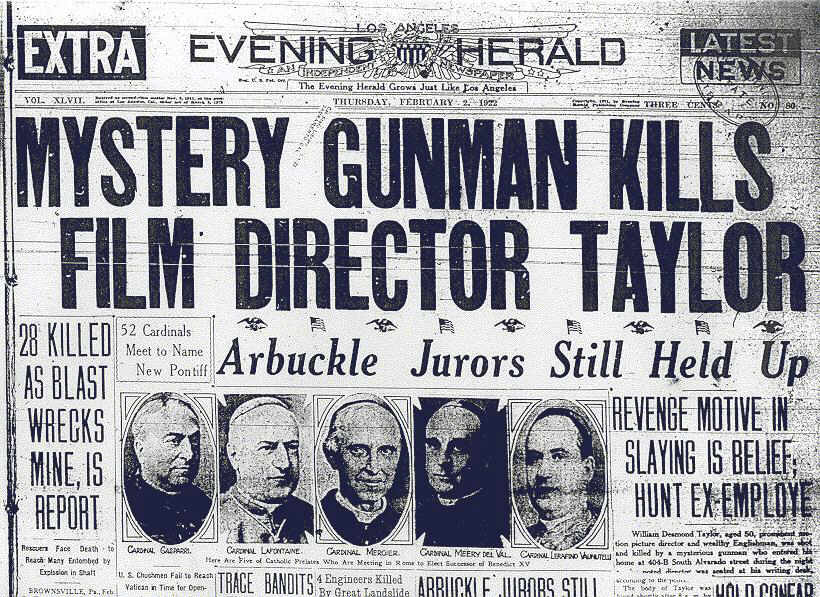
The Fatal Bungalow: William Desmond Taylor’s Murder and the Entangled Lives
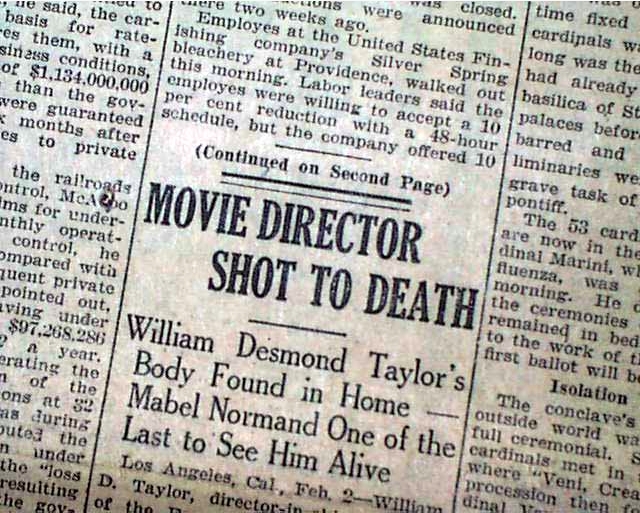
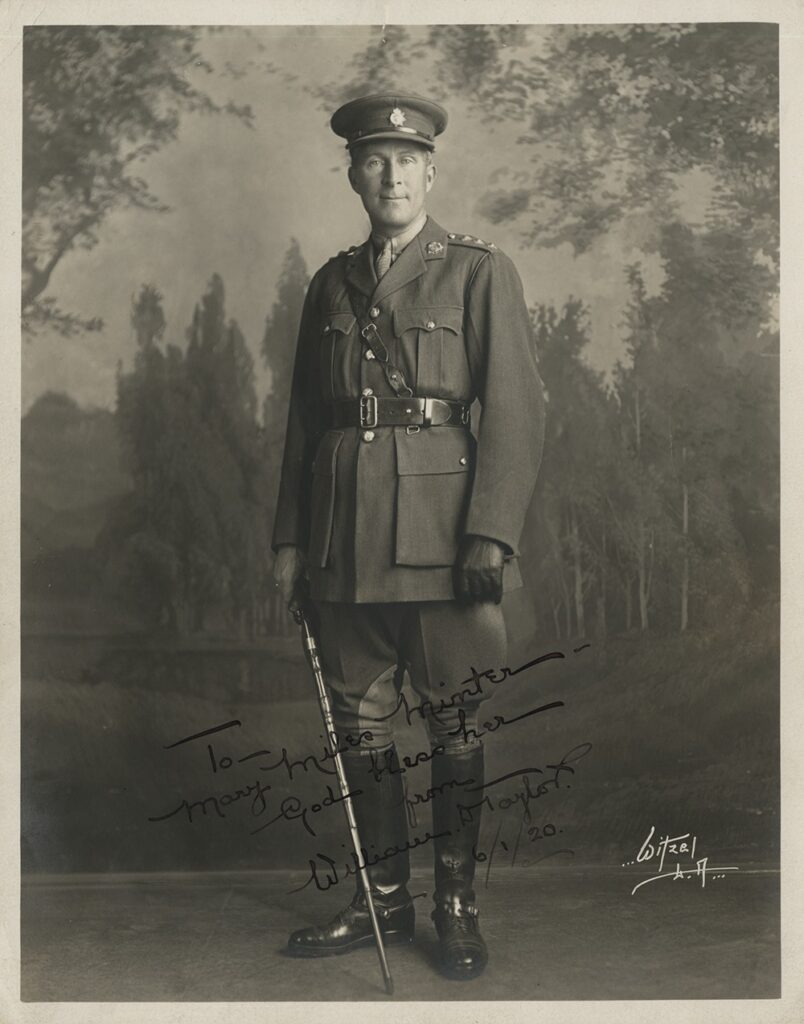
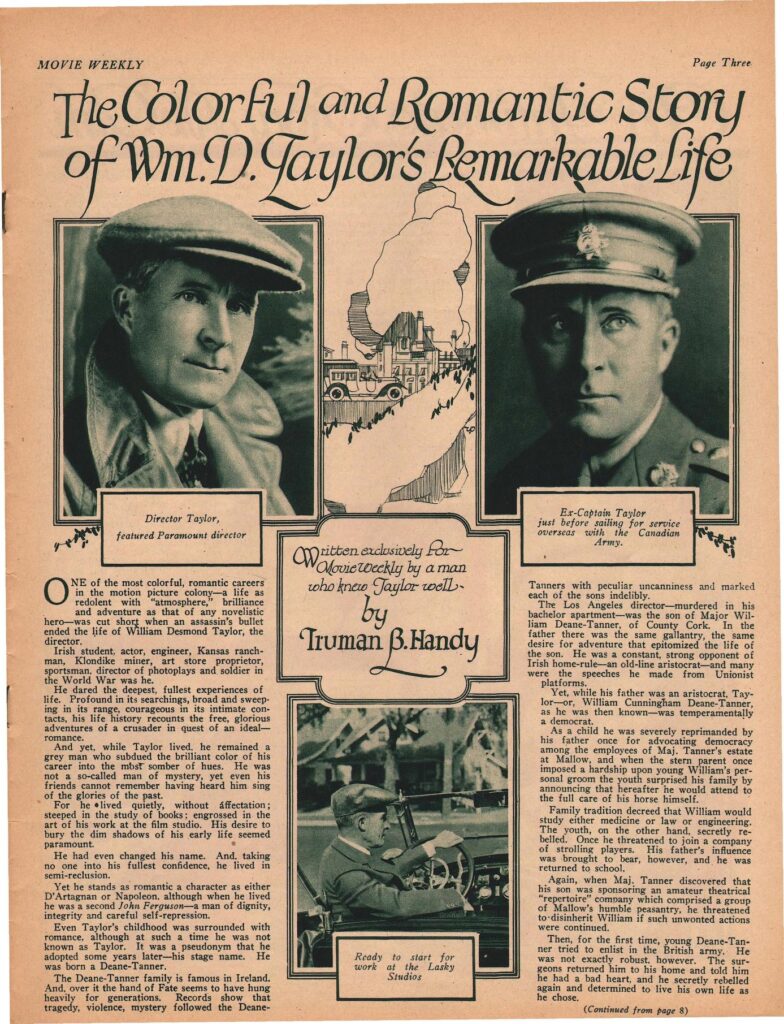
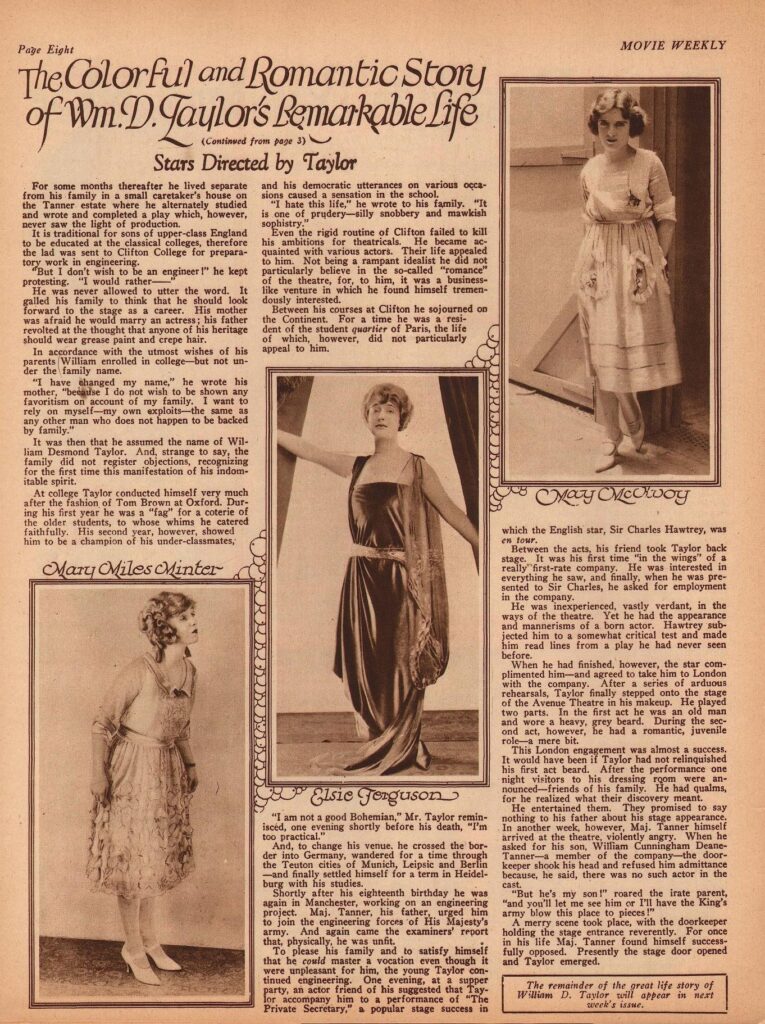
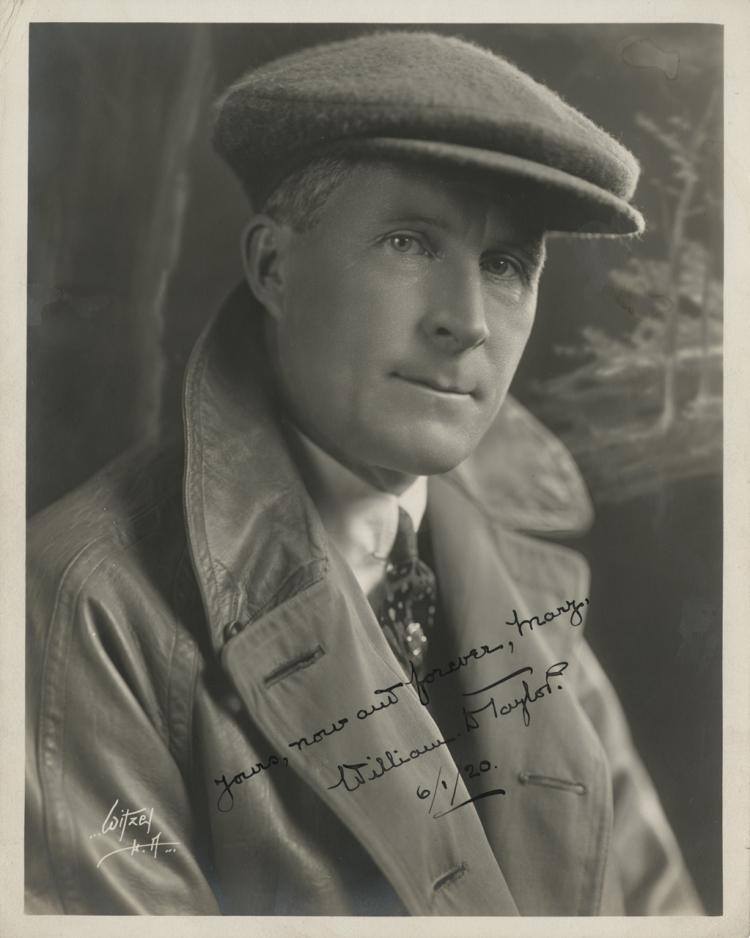
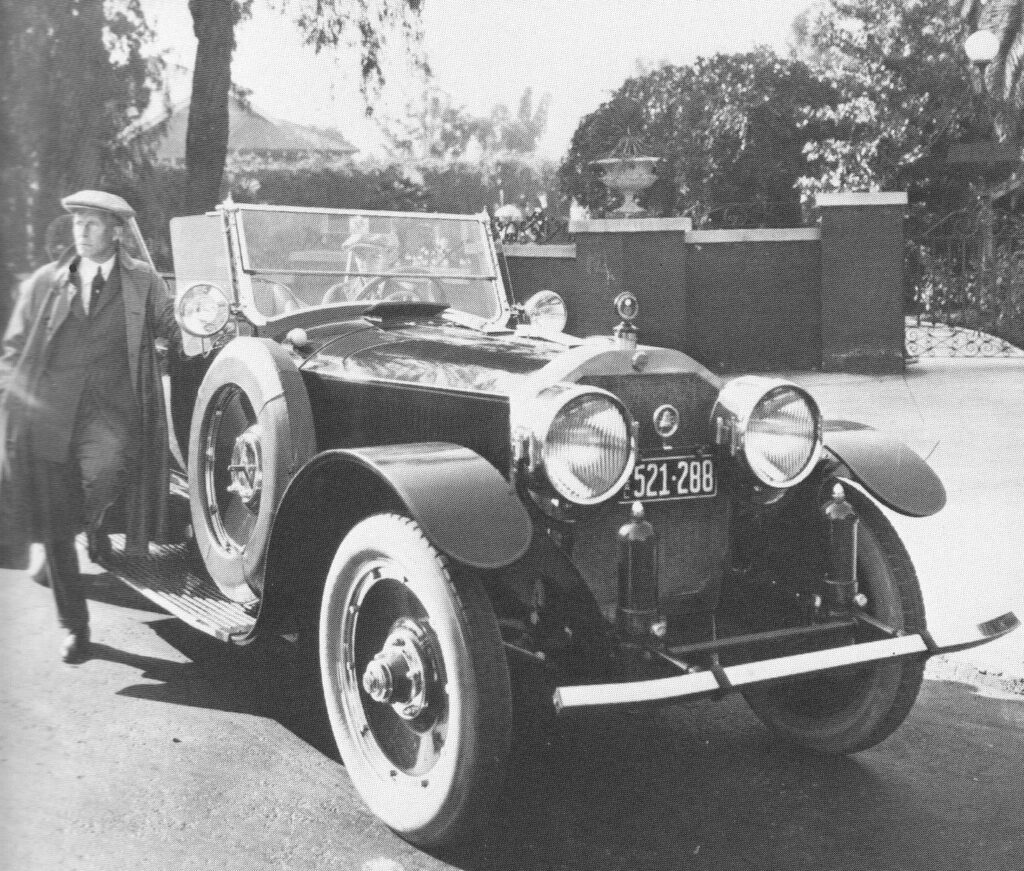
On the evening of February 1, 1922, in his elegant bungalow at 404-B South Alvarado Street in Los Angeles’ upscale Westlake district, William Desmond Taylor welcomed his dear friend Mabel Normand for a quiet chat. Taylor, born William Cunningham Deane-Tanner in 1872 to a prominent Anglo-Irish family, had ascended in Hollywood as a respected director at Paramount, helming over 50 films (filmography here) featuring stars like Mary Pickford and Wallace Reid. His work emphasized moral tales and Ethnic American resilience, as in Anne of Green Gables, where he discovered Minter’s star power.
Mabel Normand, Keystone’s queen, arrived around 7 p.m., chauffeured and eager to discuss books—Taylor was her intellectual confidant, helping her battle cocaine addiction foisted upon her amid Keystone’s downfall. Cocaine, then legally prescribed by physicians for ailments like tuberculosis-induced coughs or to sustain grueling schedules, was initially administered to Normand by her doctor to endure exhaustive hours at her Mabel Normand Feature Film Company (source). When prescriptions ceased—whether by medical ethics or cabal orchestration—the mafia or aligned dealers supplanted, ensnaring her in addiction as a targeted sabotage to dismantle her autonomy and influence (historical context). They laughed over Taylor’s recent bailout of his valet, Henry Peavey (noted in the murder case), arrested for lewd conduct. At 7:45 p.m., Taylor escorted Normand to her car, blowing kisses as she departed. Neighbors heard a gunshot around 8 p.m., mistaking it for a car backfire. The next morning, Peavey found Taylor dead, shot once in the back with a .38-caliber revolver.
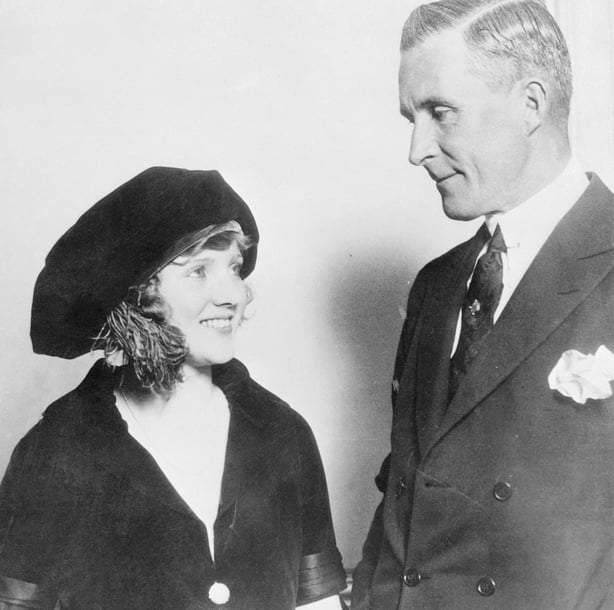
The scene was chaos: studio executives arrived before police, rummaging through papers, planting or removing evidence. Letters from Minter, initialed “MMM,” were found, professing her infatuation with the 49-year-old Taylor—likely a blend of puppy love and fatherly admiration, as she lacked a father figure in her own life. A locket with Mabel Normand’s photo suggested deeper ties; Taylor mentored her in Greek philosophy and classics, filling gaps in her life with regal education, mutual respect, and perhaps a budding romance on both sides. Rumors exploded: Was Taylor romantically involved with both? Did Minter’s jealous mother, Charlotte Shelby, pull the trigger? Or was it drug dealers angered by Taylor’s efforts to clean up Normand? He had previously beaten one up.
The scandal’s impact was immediate and devastating. Minter, 19 and on the cusp of eclipsing Pickford, saw her $1 million Paramount contract immediately evaporate. Her final film, The Trail of the Lonesome Pine (1923, watch clips here), flopped amid public boycotts. Normand, already fragile from Keystone’s sabotage, was blacklisted; her health deteriorated, leading to her death by pulmonary tuberculosis at 36 in 1930. Taylor’s unsolved murder—despite suspects like Shelby, Peavey, or Normand’s dealers—exposed Hollywood’s underbelly, accelerating the Hays Code‘s moral clampdown.
This wasn’t random violence; it was targeted elimination. Taylor’s death removed Minter’s protector, echoing Arbuckle’s framing and Normand’s addiction. As Chaplin and Pickford consolidated power via United Artists, founded in 1919, Ethnic American talents were systematically purged, handing dominance to emerging moguls. It is clear the cabal wanted all these people out of the picture.
Chaplin’s Shadow: Plagiarism, Rise, and the United Artists Power Grab
Charlie Chaplin‘s ascent amid the rubble of Ethnic American careers reeks of opportunism and outright theft. Born in London in 1889 to music hall performers, Chaplin joined Fred Karno’s troupe, where he encountered Billie Ritchie, a Scottish comedian whose tramp character—bowler hat, baggy pants, mustache, and waddling gait—predated Chaplin’s by many years and thousands of performances. Ritchie, touring since the 1890s, accused Chaplin of plagiarism after the latter’s Keystone debut in 1914. “Historians” note “shared influences” from music halls, but Ritchie’s 1914 films forL-KO Komedies mirror Chaplin’s style uncannily, suggesting Chaplin refined Ritchie’s stolen act into his global fame (source).
At Keystone, Chaplin capitalized on Sennett’s chaos. As Normand and Arbuckle shone, Chaplin’s Making a Living (1914, watch here) “borrowed” Ritchie’s drunk act, propelling him to stardom. By 1919, with $10,000 weekly earnings, he co-founded United Artists with Pickford, Douglas Fairbanks, and D.W. Griffith—Ethnic Americans all, yet Chaplin’s involvement steered it toward his monopolistic control. United Artists allowed independence from studios, but Chaplin’s rise coincided with all his rivals’ falls: Arbuckle’s 1921 scandal, Normand’s Death, Taylor’s 1922 murder, Minter’s sabotage.
The timing is damning. As Minter threatened Pickford’s throne, Taylor’s death—Normand’s best friend and Minter’s mentor—cleared all obstacles. Chaplin, unscathed, amassed $100 million (over $1.5 billion today), while Ethnic Americans like Minter lost everything. This wasn’t merit; it was engineered, tying to Keystone’s destruction where Sennett’s innovations were co-opted, Normand addicted, Arbuckle framed. Chaplin’s legacy, built on plagiarism, exemplifies the theft from our people—part of an ultimatum: join the cabal and comply or face your fate. Refusal invited scandals as weapons, clearing paths for compliant entities to dominate.
Broader Patterns: Scandals as Weapons to Eradicate Ethnic American Talent
The Taylor-Minter debacle exemplifies a pervasive strategy: leveraging scandals to excise Ethnic American prowess, facilitating jewish dominion. Scandals weren’t anomalies; they were instruments, meticulously deployed to discredit, bankrupt, or eliminate threats. Consider D.W. Griffith’s The Birth of a Nation (1915, watch here), a historical opus lauding our heritage, yet vilified for purported biases, hobbling his influence as studios consolidated. Frances Farmer, a luminous talent, was institutionalized post-defying moguls, her spirit shattered via coerced treatments and ongoing institutional gang-rapes (source). Louise Brooks, an iconoclastic ingenue, blacklisted for spurning contracts, exiled to obscurity (source). Walt Disney’s, championing of wholesome narratives, endured antitrust assaults and strikes orchestrated to undermine his independence (source). His legacy today is in the hands of the same Cabal.
In family films, wholesome tales were supplanted by subversive content; historical epics, once venerating our founders, morphed into revisionism. The cabal’s playbook: if inducement failed, deploy defamation—addictions foisted, affairs fabricated, murders staged. This pattern cost legacies: Griffith‘s innovations eclipsed, Farmer’s acting brilliance extinguished. Quantified, scandals drained billions in grosses, stifling Ethnic voices. Echoing 2025-2026, where DEI quotas sideline merit, this historical erasure persists, imperiling our continuity.
Quantifying the Theft: Lost Earnings, Erased Legacies, and Familial Devastation
The human and economic toll of these machinations is incalculable, yet quantifiable data reveals the staggering costs to Ethnic Americans. Minter’s sabotaged career alone represents millions in lost earnings; her $1 million Paramount contract, projected over five years, could have yielded $5 million (over $90 million today) in grosses. No one knows how far her career and earnings would have taken America’s Darling. Normand’s decline post-Taylor murder cost her $500,000 annually in the 1920s (about $8 million today). Broader impacts: Arbuckle’s acquittal came too late; his $1 million yearly income vanished, bankrupting him; dying impoverished.
Consider this table of estimated lost earnings for key figures:
| Victim | Pre-Scandal Annual Earnings (1920s USD) | Years Impacted | Total Estimated Loss (1920s USD) | Inflation-Adjusted Loss (2026 USD) | Source Notes |
|---|---|---|---|---|---|
| Mary Miles Minter | $350,000 (from $1M contract) | 1922-1928 (career end) | $2,450,000 | $44,100,000 | Wikipedia: Mary Miles Minter |
| Mabel Normand | $175,000 (Keystone peak) | 1922-1930 (death) | $1,575,000 | $28,350,000 | Wikipedia: Mabel Normand |
| Roscoe Arbuckle | $1,000,000 | 1921-1933 (death) | $13,000,000 | $234,000,000 | Wikipedia: Roscoe Arbuckle |
| William Desmond Taylor | $100,000 (director fees) | 1922 (death) onward | $500,000 (projected 5 years) | $9,000,000 | Wikipedia: William Desmond Taylor |
| Total | – | – | $17,525,000 | $315,450,000 | Compiled from historical biographies (source) |
These figures understate the erasure: legacies tarnished, families shattered. Minter’s mother faced murder suspicions, driving her into seclusion; Normand’s addiction led to early death, orphaning relatives. Arbuckle’s wife endured public humiliation, his children stigma. Mafia extortions drained $50 million industry-wide (1930s, over $1 billion today), diverting funds from Ethnic American projects.
Broader costs: Immigration policies in 2025-2026 echo this theft, with DEI mandates forcing “diversity” hires that dilute Ethnic American continuity. USC data shows 2.5 million illegal entries in 2025, costing $150 billion in welfare, straining families like those of Keystone victims (source).
Institutional Complicity: Coercion, Collusion, and Cowardice in the Halls of Power
The theft of Hollywood wasn’t just street-level thuggery; it was enabled by a web of legislative, judicial, and institutional complicity that betrayed Ethnic Americans at EVERY turn. From cowardly lawmakers who ignored mafia extortion to judges who let scandals fester without justice, the system’s cowardice allowed the screen to be stolen, violating the founding covenant. This section, drawing on clear evidence, exposes how coercion, collusion, and cowardice institutionalized the erasure.
Start with legislative failures. In the 1930s, as thugs extorted studios under Chicago Outfit orders, Congress dithered. The 1941 trial convicted them, but no broader reforms followed. The Taft-Hartley Act of 1947 aimed at union corruption, yet Hollywood’s IATSE remained mob-tainted. Lawmakers like Estes Kefauver investigated organized crime in 1950-1951, exposing ties, but hearings fizzled without dismantling studio complicity (source). Why? Collusion: Louis B. Mayer and Adolph Zukor lobbied against scrutiny, fearing exposure of payoffs. This cowardice cost Ethnic families: lost jobs as independents folded, legacies erased.
Judicial complicity amplified scandals. Taylor’s 1922 murder investigation was botched—DA Thomas Lee Woolwine, tied to studios, let evidence completely vanish (source). Grand juries dismissed cases amid pressure. Arbuckle’s trials: first two hung, third acquitted, but Judge Sylvain Lazarus allowed hearsay, prolonging Arbuckle’s agony (source). The Hays Office, a self-regulatory body post-scandal, banned Arbuckle despite acquittal—cowardice to placate moralists oe by design for the cabal? (source). Will H. Hays, appointed in 1922, enforced codes stifling Ethnic stories, colluding with studios to blacklist talents like Normand (source).
Institutional cowardice peaked in immigration policies enabling monopolies. The Immigration Act of 1924 restricted Eastern Europeans, but exceptions for “talent” favored Zukor (Hungarian Jew) and Mayer (Russian Jew), who built empires while Ethnic pioneers like Sennett struggled. Post-WWII, HUAC‘s 1947 hearings targeted “subversives,” but ignored mafia ties, coercing testimony that blacklisted more Ethnic artists (source).
Fast-forward to 2025-2026: Trump’s anti-DEI orders echo this, yet institutions collude in erasure. FCC probes Comcast for DEI “discrimination,” forcing retreats—Disney axes Reimagine Tomorrow, Paramount drops targets. The Judiciary upholds the Supreme Court in 2023’s Students for Fair Admissions gutted affirmative action, paving anti-DEI path. Congress’s One Big Beautiful Bill (2025) funds $170 billion for enforcement but ignores cultural theft, coercing states via sanctuary penalties.
This complicity’s cost: $315 million in lost earnings from scandals, billions in mafia drains. Families suffered—Normand’s relatives impoverished, Minter’s isolated. Our posterity betrayed: DEI floods industries with non-Ethnic hires, immigration surges (2.5 million 2025 entries) dilute continuity (source). Urgent reform demands: dismantle complicit institutions, reclaim the screen.
Tying to the Series: Uniting the Threads of Theft and Betrayal
This article weaves seamlessly into “The Stolen Screen” tapestry, reinforcing how Hollywood was systematically stolen from Ethnic Americans through interconnected mechanisms. In “Mack Sennett and Mabel Normand – The Keystone Architects,” we saw Sennett’s innovations co-opted, Normand addicted via mafia tactics, Arbuckle framed in scandal, and Chaplin plagiarizing Ritchie while rising. Taylor’s murder directly ties: as Normand’s confidant, his death accelerated her downfall, mirroring Keystone’s sabotage. Minter’s rivalry with Pickford echoes Pickford’s protection amid Chaplin’s United Artists grab, uniting plagiarism, murder, and monopolization.
Broader patterns emerge: scandals eliminate talents (Arbuckle, Minter), addictions destroy (Normand), violence silences (Taylor). Mafia extortion solidified Jewish-led dominance (MGM, Paramount, Warner), costing us billions. Just like earlier themes—founding covenant betrayal, posterity’s loss—while previewing future exposes on The Stolen Screen’s further erasures.
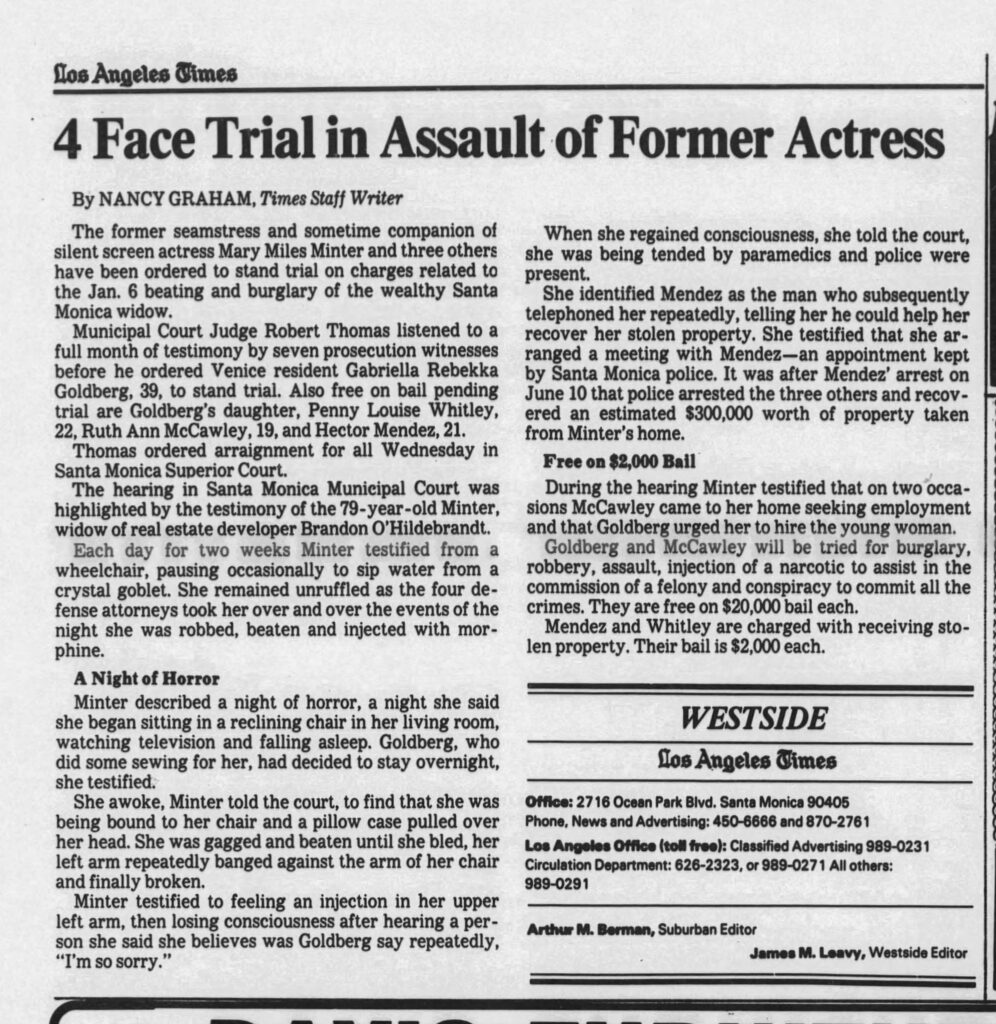
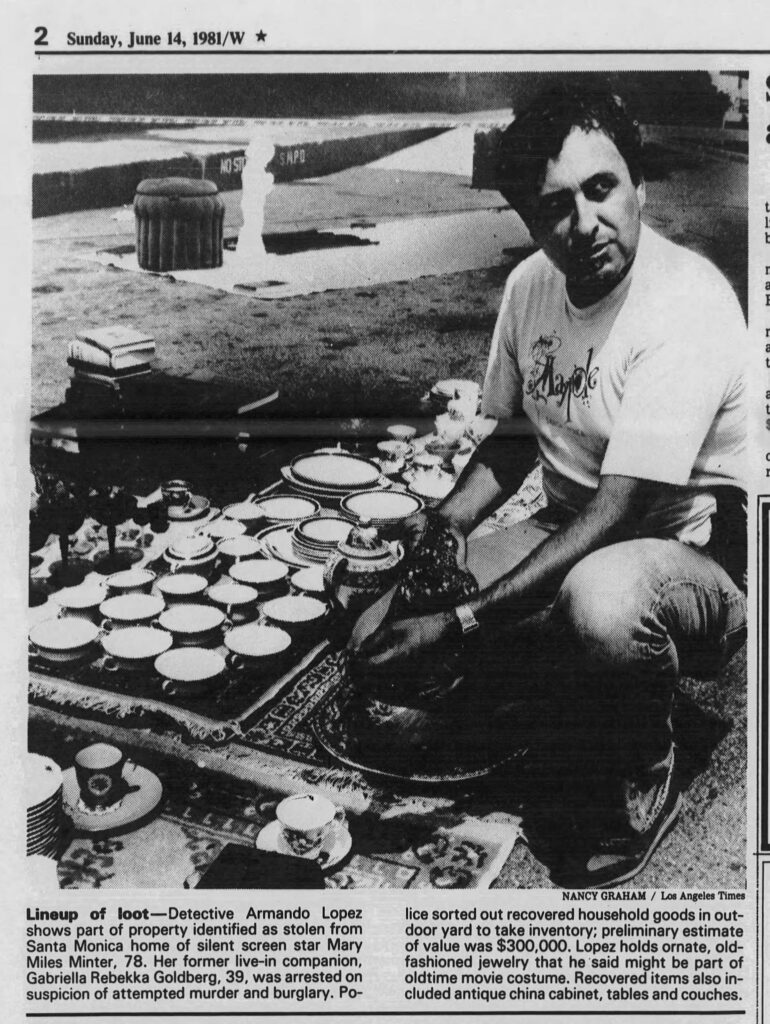
As for Minter, she was never seen on the screen again. In her old age in 1981, she was drugged and every memento she had accumulated in her sad Hollywood life was robbed from her.
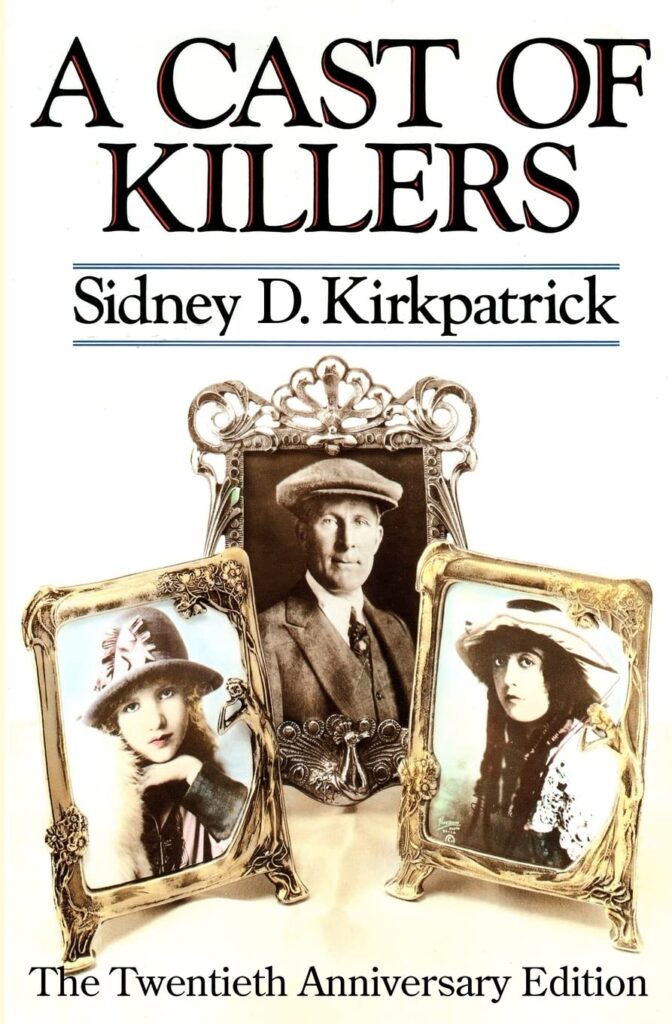
If this subject interests you, My favorite book about it is
A personal note from James Sewell
My fellow Ethnic Americans, as I pen this, my heart burns with the fire of our ancestors’ unyielding spirit. We’ve lost the screen, but not our resolve. Rise, reclaim our inheritance—boycott the betrayers, support true voices, demand borders sealed against erasure. For ourselves and our Posterity, the fight endures. Mary Miles Minter starred in 53 Films in her short career from 1912-1923. Sadly because of the lack of Film Preservation only partial scenes from 15 remain. William Desmond Taylor directed 60 films from 1915 until 1922, once again few remain in existence. Their sparks were extinguished and now their films and memories. I remember and honor them, my fellow Ethnic Americans. — James Sewell.
- (Part 1 of “The Stolen Screen” (The Nickelodeon Gang) is here )
- (Part 2 of “The Stolen Screen” (Mabel Normand and Mack Sennett) is here )
- (Part 3 of “The Stolen Screen” (Roscoe “Fatty” Arbuckle” is here )
Remember our Ethnic Americans who’s legacy has been erased
© James Sewell 2026 – All rights reserved