There are people on the Internet who have found cause to cherry-pick the US founding history and twist it into a dark conspiracy narrative. They latch on to polite correspondence, individual merchants, and contested theories, then inflate them into a grand plot to found America for Jewish-Masonic benefit.
They take fragments from Founders responding to small Jewish communities, individual Jewish merchants participating in early commerce and Masonry, and one contested theory about Hamilton’s possible ancestry, in order to conflate it into “the US was founded by Freemasons to hand power to Jews” or “the Constitution was a Jewish instrument from the start.” This does not hold up under primary sources, demographics, or context.
I am addressing this from the Ethnic American perspective: the founding generation consisted overwhelmingly of British-descended and other Northern European settlers (English, Scots, Welsh, Dutch, German, French Huguenot) who built the colonies from Jamestown onward. They fought for independence to secure self-governance for themselves and their posterity. The 1790 Naturalization Act (“free White persons of good moral character”) explicitly aimed to preserve that European demographic and cultural character. The Founders were focused on British policy, state rivalries, debt, Indians, foreign powers, and the character of a republican citizenry rooted in English common law and Protestant moral traditions. Jews were a tiny, visible but marginal presence—not a political “entity to contend with.”
The Letters (Jefferson to Noah, Madison to De La Motta, Washington to Newport)
The following letters are standard statesmanlike replies to addresses from small, Jewish congregations sending printed discourses or congratulations. They do not show special favoritism, “being in cohoots with,” or a plan to empower Jews.
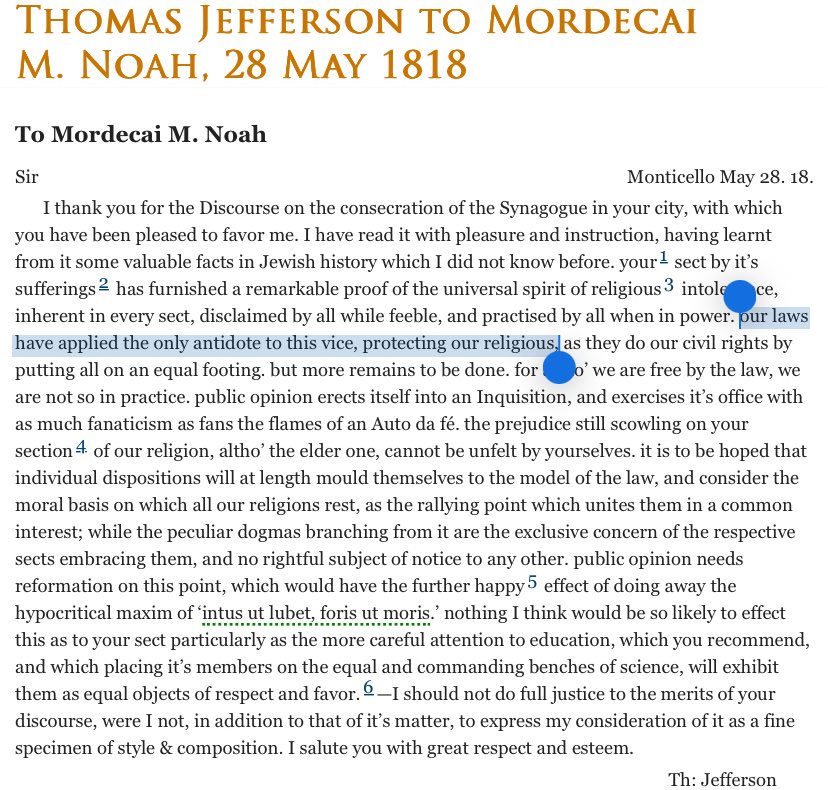
- Jefferson to Mordecai M. Noah (28 May 1818): Modecai Noah (a prominent NY Jewish editor and community leader) sent Jefferson a discourse on the consecration of the Shearith Israel synagogue. Jefferson thanks him, says he read it with pleasure and learned new Jewish history facts, then notes the historical suffering of Jews from religious intolerance while praising American laws for putting “all on an equal footing” in religious and civil rights. This is Jefferson, the architect of Virginia’s disestablishment statute generalizing religious liberty. It applies the same principle he applied to dissenting Protestants and Catholics, of which there were many. The highlighted passages marked are exactly this: acknowledgment that US laws protect religion equally, unlike the Old World in which Anglican and/or Catholic establishment was at the forefront. It is not evidence of a plot. Jefferson corresponded with many people on religious liberty topics.
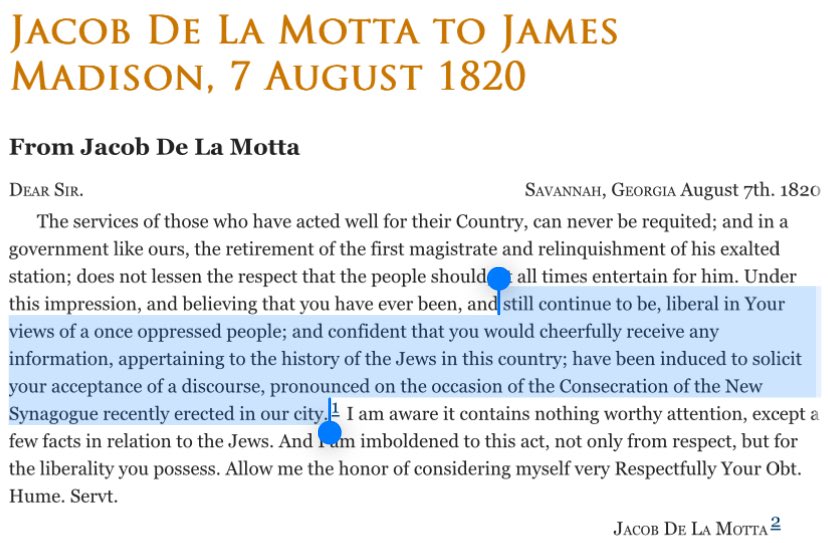
- Madison to Jacob De La Motta (August 1820): De La Motta sent a discourse on the Savannah synagogue consecration. Madison thanks him and states the “perfect equality of rights which it secures to every religious sect.” He notes that the good citizenship of previously oppressed groups illustrates the success of this policy. Again, this is Madison reiterating long-held views from the many Virginian fights against Anglican establishment. The letters are from 1820—decades after the Constitution and Bill of Rights. They describe what the system already was, not a secret Jewish-influenced drafting process.
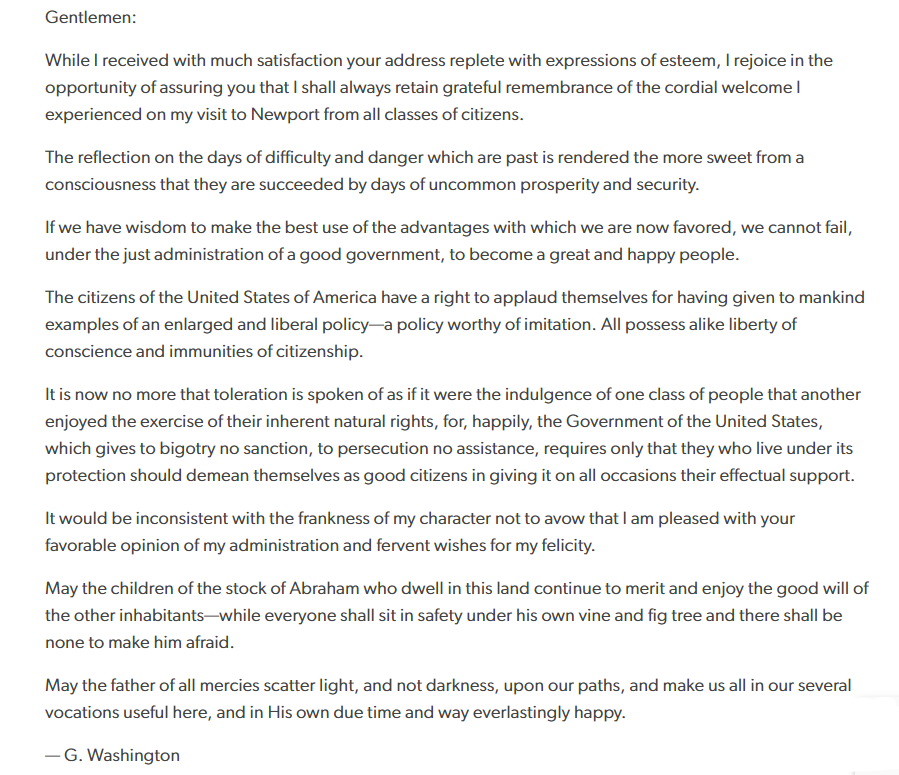
- Washington to the Hebrew Congregation in Newport (1790): This is the famous “to bigotry no sanction, to persecution no assistance” letter. It was a reply to an address from the Touro Synagogue community during Washington’s Newport visit (part of a goodwill tour promoting the new Constitution to all citizens). Moses Seixas wrote the congregation’s address. Washington wrote analogous courteous replies to Catholic, Quaker, Protestant and other groups. Newport had a historic Jewish mercantile community. The letter affirms religious liberty as natural right, consistent with the Constitution’s Article VI (no religious test for office) and the emerging disestablishment trend. It does not indicate the US was “made to give Jews equal rights” as a special project. It was republican principle applied consistently.
These letters show the new nation extending Enlightenment-influenced religious liberty and equal protection under law to all citizens, including a tiny minority. That is exactly what the Founders’ generation did for dissenting Protestants against established churches. It was not a Jewish-driven subversion, it was a republican principle being reaffirmed.
Hamilton, Early Banks, and the “Crypto-Jew” Claim
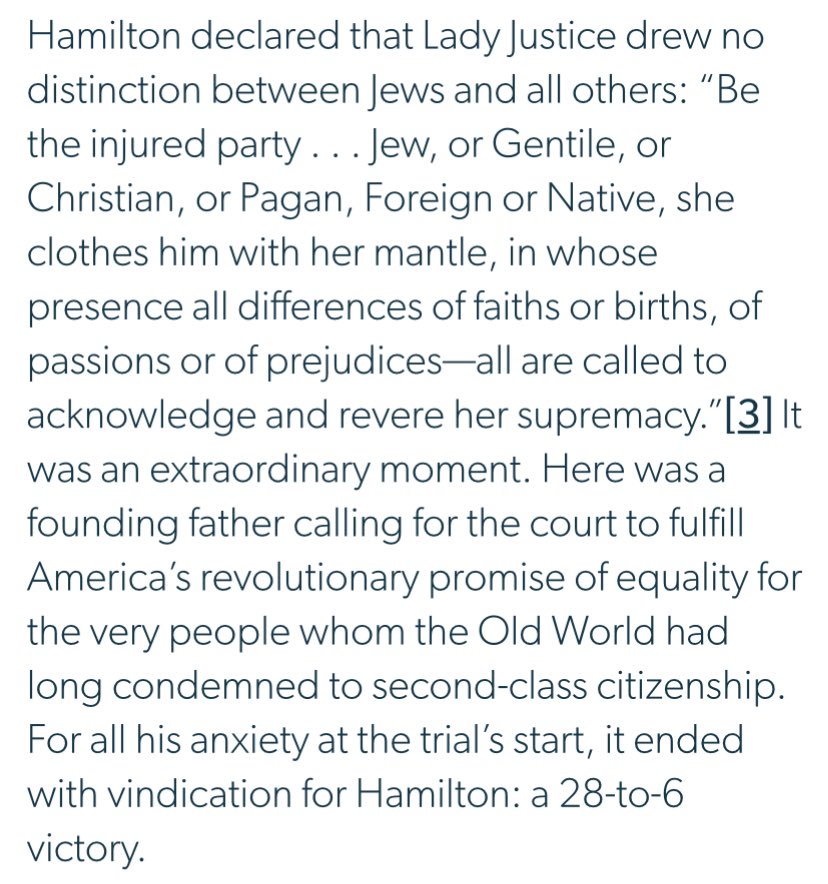
The image quoting Hamilton on Lady Justice making “no distinction between Jews and all others” (Jew or Gentile, etc.) comes from a legal argument emphasizing impartial rule of law and equal justice—standard common-law and republican rhetoric. It does not prove a pro-Jewish constitutional design.
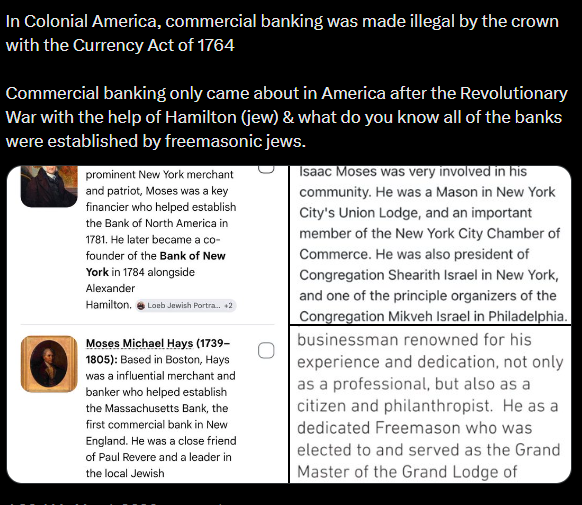
Claim: Hamilton set up the banks for the Jews
Alexander Hamilton was not part of any Jewish ethnic cabal. A 2021 book by Andrew Porwancher argues he was likely born and raised Jewish in the Caribbean (possible maternal/stepfamily connections and early education). Even if his thesis has merit (it remains 100% contested against all mainstream biographies), it doesn’t change the outcome (Hamilton’s public life and policies were not ethnically Jewish-driven). Hamilton never identified as Jewish in America. He was baptized Episcopalian, married into the prominent Schuyler family, and operated as a Christian statesman. His financial system (The Bank of the United States, assumption of state debts, tariffs for manufacturing) was designed to strengthen the federal government and national credit, modeled on British practices. One man’s “possible” partial ancestry does not rewrite the founding as a Jewish plot.
Isaac Moses was a German-born Jewish merchant in New York. He became a director of the Bank of New York (co-founded in 1784 with Hamilton and others), and was a Mason in Union Lodge. He was also active in Shearith Israel congregation. This shows Jewish merchants participated in early American commerce and finance in port cities—just as Scottish, English, Dutch, and other merchants did. It is not evidence that “all banks were established by Freemasonic Jews” or that Hamilton was executing an ethnic agenda. Moses was one director among several. In fact, exactly 12 directors were elected at the first meeting on March 15, 1784 (along with President Alexander McDougall and Cashier William Seton). Out of 14 men, there was 1 Jewish merchant — hardly a tribal take-over.
Moses Michael Hays (1739–1805) was a prominent Boston-based Sephardic Jewish merchant and banker. He helped establish the Massachusetts Bank in 1784, a private commercial bank serving local shipping, trade, and mercantile needs in Massachusetts. He was also a Freemason who helped introduce Scottish Rite elements into two Masonic Lodges after the Constitution and Bill of Rights were ratified.
This shows merely that Jewish merchants participated in early American commerce — just as Scottish, English, Dutch, and other merchants did. The Massachusetts Bank was an independent, private, state-level institution, not a federal bank, and had no connection to Hamilton’s later national system. Hays’ role reflects individual merit and networks in a port city, not evidence that Jews set up the U.S. banking system or that the Founders were “in bed” with them to hand over control. Like Isaac Moses in New York, he was one participant among many. Once again, hardly a takeover by the Jews.
The Claim That Benjamin and Mordecai Sheftall “Set Up” or “Ran” Masonry in America Is False
Some critics claim that Benjamin Sheftall and his son Mordecai “set up” or “ran” Masonry in America. This is false. Freemasonry was brought to the colonies by British charters in the 1730s — long before America was a country. The first lodge in Georgia, Solomon’s Lodge in Savannah, was chartered in 1734 by the Grand Lodge of England while Georgia was still a British colony. Benjamin Sheftall, an early Jewish settler who arrived in 1733, became a member of that already-established lodge. His son Mordecai later joined as well.
They were ordinary participants in an existing British-chartered institution. They did not found the lodge, they did not charter it, and they did not run or control it. Like all colonial lodges at the time, Solomon’s Lodge operated under authority from the Grand Lodge of England. Leadership and decision-making rested with the lodge’s elected officers and the broader British Masonic structure — not with any single family.
The idea that Jews “set up” or “ran” Masonry in America usually rests on old legends (such as the unproven story of Mordecai Campanall in Newport in 1658) that predate organized speculative Masonry by decades. Organized Freemasonry in the colonies was imported from Britain and spread through English, Scottish, and Irish warrants. Jewish merchants in port cities joined existing lodges as individuals — exactly as Scottish, English, Dutch, and other merchants did. They never controlled or originated the fraternity.
The Sheftalls were early Jewish Georgians who participated in Masonry like many other colonists of their time. That is all. They did not found, introduce, or run Masonry in America
The “Jews Founded All the Banks” narrative is false
The claim that “all of the banks were established by Freemasonic Jews” with Hamilton’s help is easily disproven. The Bank of New York and Massachusetts Bank (both 1784) were two independent private commercial banks serving local merchants in their cities — not a national banking system. Moses was one director among fourteen in New York; Hays was a key early depositor/participant in Massachusetts. That is one Jewish merchant involved with each of two private state-level banks.
By 1800 there were already dozens of banks across the states, and the number grew rapidly (28 by 1790 to over 100 by 1810). All were started by local merchants of various European backgrounds for trade and commerce. Jews were not involved in founding or directing banks in the vast majority of colonies/states. In fact it was only 2 out of 100. Early American banking was decentralized, local, and driven by the needs of the broader founding-stock merchant class — not a Jewish-Masonic plot. The graphic vastly overstates two isolated examples into a conspiracy.
Freemasonry in Colonial America
Colonial Freemasonry was not Jewish at its roots. It was derived from British operative stonemason guilds that became speculative Masonry in early 18th-century England and Scotland (Grand Lodge of England 1717 onward). It was a fraternal order of Enlightenment moral improvement, brotherhood, and symbolism among men of good standing—overwhelmingly Protestant Christian gentlemen in the colonies. Many patriot leaders were Masons (Washington as Master of Alexandria Lodge, Franklin, Revere, etc.). It helped bind revolutionaries across the colonies. By the Revolutionary period there were well over 100 chartered lodges — overwhelmingly Protestant European in membership.
Some Jews participated, especially in port cities with existing Jewish communities:
- Moses Michael Hays (Boston/Newport) was a prominent Mason, introduced Scottish Rite elements in America starting in 1801, and served as a Grand Master in Massachusetts.
- King David’s Lodge in Newport had Jewish officers/members.
- Isaac Moses was a low level Mason.
This was individual merit-based admission, not a Jewish origin or takeover. Some older Jewish historians speculated Jews helped introduce Masonry to the colonies; the evidence is thin and extremely contested. Jewish participation increased in tolerant urban settings but never defined or controlled colonial Masonry. The “Freemasonry as Jewish subversion of Christianity” trope is a later 19th–20th century canard, not supported by 1760s–1780s records. Washington’s letter to King David’s Lodge was standard Masonic courtesy, just as his Newport synagogue letter was standard presidential courtesy.
Freemasonry — Blue Lodge vs. Scottish Rite (Countering the “Master Masons Took Over the Country” Claim)
People will often reply that “certain Founding Fathers were Master Masons,” implying they were part of some coordinated Jewish-Masonic plot. This mixes up two very different things and greatly exaggerates Jewish influence.
Blue Lodge (Craft Masonry) is the foundational level of Freemasonry — the three original degrees (Entered Apprentice, Fellow Craft, and Master Mason). This is what the vast majority of colonial and Founding-era Masons, including George Washington, Benjamin Franklin, Paul Revere, James Monroe, Robert Morris, William Hooper, Joseph Warren, John Sullivan, and most other patriot Masons, belonged to. These were regular fraternal lodges imported from Britain, focused on moral improvement, brotherhood, and Enlightenment values among men of good standing. All Blue Lodges had a Protestant Christian character, with prayers and symbolism drawn from the Bible.
Not all prominent Founders were Masons. Thomas Jefferson, John Adams, James Madison, and Alexander Hamilton were not Freemasons. Masonry was one fraternal network among many in the era, but it was not the dominant or controlling force in the founding. Blue Lodge remained the core experience for the vast majority of colonial Masons.
Some claim Freemasonry promoted radical egalitarianism and the dissolution of traditional social order. This misreads the historical record. Colonial Blue Lodge Masonry was a fraternal order of propertied Protestant gentlemen who emphasized moral virtue, brotherhood, and loyalty within the existing social structure. Primary records from the era — such as lodge minutes and charters from the Grand Lodge of England (1717 onward), colonial lodge records, and membership rolls — show strict standards of character, reputation, and social standing, with members often swearing allegiance to the Crown prior to the Revolution. The Masons among the Founders operated within the British legal and cultural tradition they inherited. Early American voting remained tied to property qualifications in most states, as seen in colonial statutes and post-1787 state constitutions (for example, Virginia’s 1776 Constitution and similar provisions elsewhere). If Hamilton had been executing some grand Masonic plot to remake society, one would expect him to have been a Mason himself — yet he was not.
The Scottish Rite (higher degrees from 4th to 33rd) is a later appendant system of additional degrees. It was introduced and promoted in America in the 18th century by figures such as Moses Michael Hays. Hays and a small number of others helped spread Scottish Rite elements, particularly in certain urban lodges. This is where Hays had his most notable Masonic influence.
Jewish participation was limited overall. In regular Blue Lodges across the colonies, Jewish members were very few and far between — individual merchants in port cities who met the standards of character and were accepted locally. In most places they were a thinnest of minorities. Only in a few specific lodges (such as Newport’s King David’s Lodge or parts of Philadelphia) did Jewish membership reach higher local proportions because of the existing Jewish merchant communities there. Even then, the overall numbers remained small relative to the total Masonic membership, which was overwhelmingly Protestant European in background. All Blue lodges retained Christian prayers, a Bible on the altar, and ubiquitous St. John symbolism.
The narrative that “Jews took over the lodges and the Founding Fathers helped them steal the country” is a distortion. The Founders who were Masons operated in mainstream Blue Lodge Masonry for fraternal and patriotic bonding during the Revolution and early republic. Scottish Rite activity was a separate, much later development in which a handful of individuals (including Hays) played roles, but it was never the dominant or controlling force in colonial or Founding-era Masonry. Jewish involvement was real but small-scale and individual — exactly as one would expect from a tiny, commercially active minority in a handful of port cities. It does not support claims of ethnic subversion or control of the American founding.
Specific Founders and Selective Examples (e.g., John Jay)
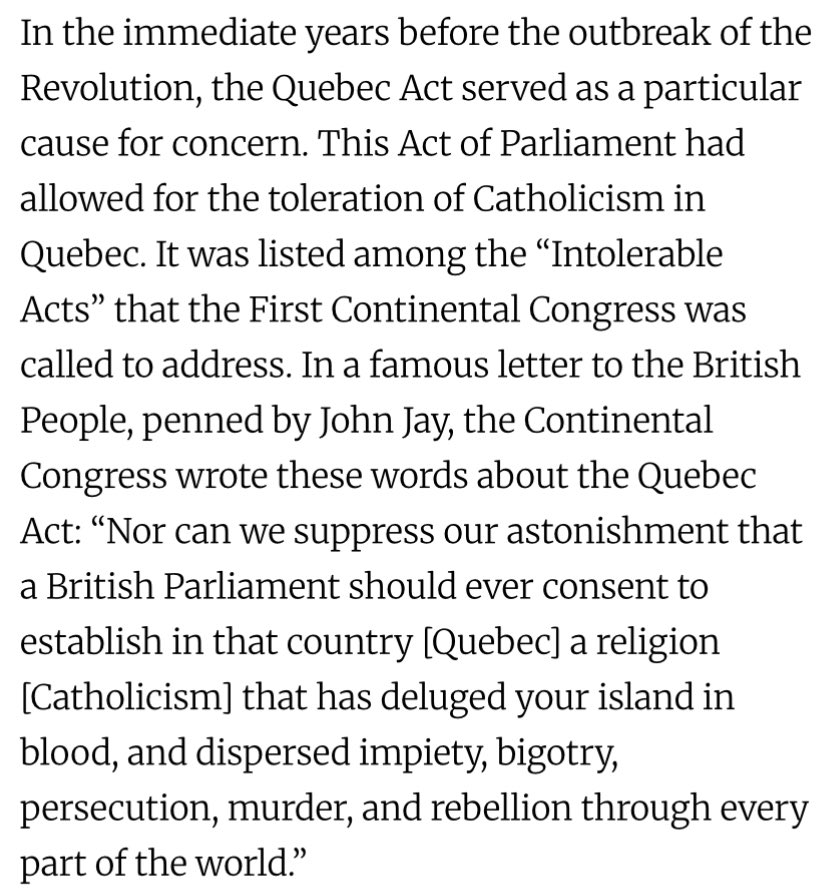
Jay’s opposition to the Quebec Act occurred in 1774, while America was still a British colony. It was driven by colonial Protestant concerns over British favoritism toward Catholic establishment in Canada and potential French influence threatening the Protestant character of the colonies — not hatred of Christianity. The founding generation consistently prioritized the European-descended, Protestant-rooted nation, as seen in the 1790 Naturalization Act (“free White persons of good moral character”) and state-level establishments of religion that lasted well into the 19th century. Selective examples of one Mason’s positions do not rewrite the primary sources or the clear demographic intent of the founding.
Some critics cherry-pick John Jay (a Mason) to claim the Founders secretly favored Jews while opposing Christianity. This is false. Jay was a committed Protestant Christian who wrote extensively on the Bible’s importance to society and opposed deism and atheism. His support for religious liberty provisions in New York’s constitution and Columbia’s charter reflected the era’s limited tolerance for a tiny Jewish minority in a Protestant-majority state — not special favoritism or a plot to elevate Jews. Jewish involvement in early New York banking was individual and minimal (one Jewish merchant among fourteen directors in the Bank of New York), consistent with their small numbers.
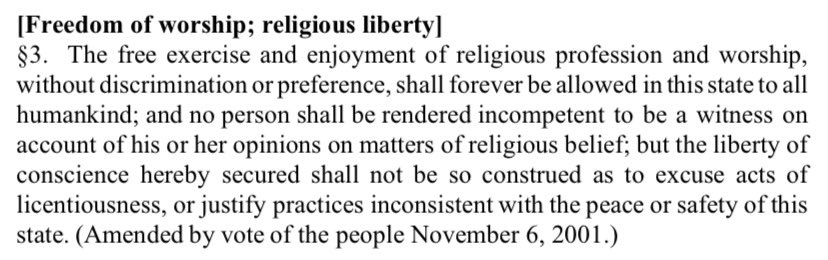
New York’s 1777-era religious liberty clause granted broad tolerance but explicitly limited it to prevent “licentiousness” or threats to “peace or safety.” This was standard Protestant establishment language, not a special grant to Jews.
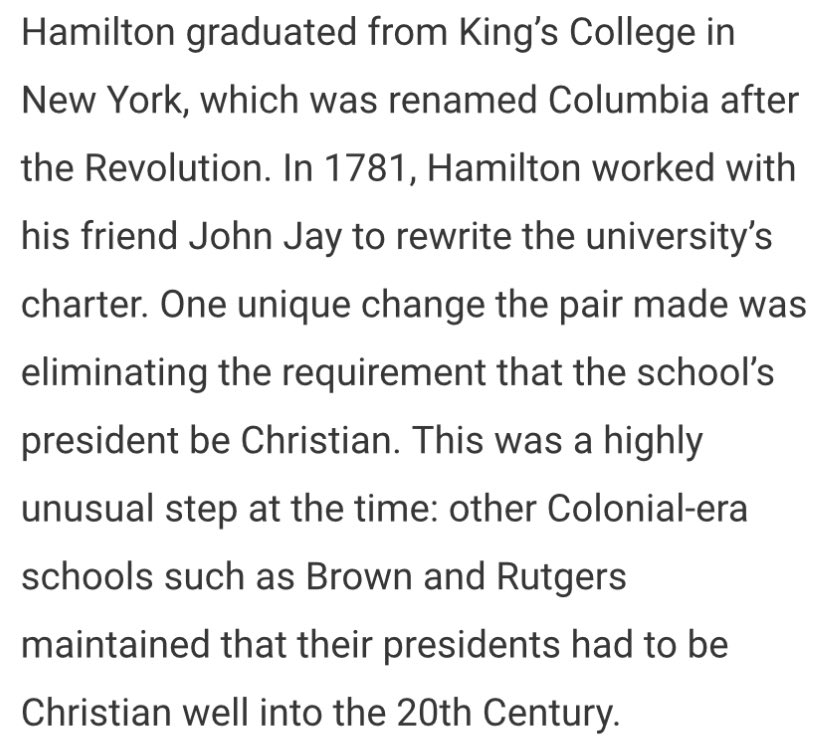
The 1781 Columbia charter change (post-Revolution) removed a Christian president requirement as part of broader secularizing trends after independence. It does not prove pro-Jewish favoritism — other major colleges kept Christian requirements for decades longer.
The strong language against the 1774 Quebec Act came from colonial Protestants (including Jay) protesting British policy that favored Catholicism in Canada while America was still under the Crown. This reflects pre-Revolutionary defense of Protestant colonial identity, not post-founding anti-Christian bias.
Demographics and the “First Country to Give Jews Citizenship” Claim
In 1790 there were roughly 2,000–3,000 Jews in the entire United States (mostly Sephardic merchants in five cities) out of a population of about 3.9 million. They were not a political force, lobby, or demographic threat. They had already received rights or naturalization under British colonial law, under the 1740 Plantation Act (naturalization after 7 years’ residence for Jews and other foreigners (Hessans and Palantines in particular), in the colonies). The US did not invent Jewish citizenship. Whoever says this is just lying.
Of those estimated 300–600 adult Jewish males of voting age in 1776, only a small minority could actually vote — likely well under 150, and probably closer to 50–100 at most across all colonies. Why ? Property ownership requirements and Religious tests did not allow the vast majority to vote.
Except for 6 months in 1753, Jews as a people were not allowed to become British subjects or citizens in Britain for 568 years (1290AD – 1858AD). The founding fathers knew nothing about the Jews other than old wives tales told for five centuries.
The 1790 Naturalization Act limited naturalization to “free White persons” of good moral character. This was explicitly racial/ethnic—to encourage European settlement and preserve the character of the founding stock. Jews of European descent qualified as White and some naturalized, but the Act was not written “to make Jews White” or for their benefit. It reflected the Founders’ assumption that the American people were European-derived. Later laws (until 1952) retained the core restriction. This is consistent with an Ethnic American founding, not a universalist blank check or Jewish plot.
People Claim Jews Were “Afraid to Go” to Spanish Florida Because of the Inquisition
Some critics claim that Spanish-controlled Florida was uniquely dangerous for Jews due to the Inquisition, implying that Jews avoided Spanish territories out of fear. This is a distortion.
The Spanish Inquisition was not a thing of the past in 1492. While that year marked the expulsion of Jews from Spain, the Inquisition itself was formally established in 1478 and remained active until 1834. It was fully operational throughout the entire period of Spanish Florida, which began in 1565.
Openly practicing Jews were generally prohibited from settling in Spanish colonies. However, many people of Jewish descent — known as Conversos or New Christians — were actively involved in Spanish expansion into North America, including Florida. Some served as soldiers, officials, merchants, and even conquistadors. For many Conversos, the New World offered a chance to escape the harsher scrutiny they faced in Spain.
The presence of individuals with Jewish ancestry in early Spanish Florida is well-documented. here I will list a few among the documented cases:
- Luis de Carvajal y de la Cueva Conquistador, explorer, and governor in northern Mexico and the Nuevo Reino de León. Leader of a major colonizing expedition. From a prominent Converso family.
- Don Juan de Oñate Conqueror and colonizer of New Mexico (late 16th century). Recent genealogical research has identified Jewish-converso ancestry in his family line.
- Antonio Martínez Carvajal, who served as chief pilot in St. Augustine in the late 1570s.
- Pedro Luis de Páez, a settler and trader who brought his family to St. Augustine in 1583 and received a formal waiver of the Limpieza de Sangre (purity of blood) requirement.
- Cristóbal Carvajal, who appears on early muster rolls of soldiers and settlers in St. Augustine in the 1560s.
- Multiple other members of the Carvajal family (multiple) Several relatives of Luis de Carvajal participated in expeditions and settlement in northern New Spain.
- Hernando de Soto, who led the major Spanish expedition through Florida and the southeastern United States from 1539 to 1542 and had documented Jewish ancestry on his mother’s side.
While some of these individuals may have practiced their faith in secret, others assimilated into Catholic society. The notion that Jews as a group were too terrified to enter Spanish Florida ignores this documented participation.
The claim is a classic oversimplification. Open Jewish settlement was restricted across the entire Spanish Empire, not just in Florida. At the same time, people of Jewish descent were active participants in Spanish colonization efforts throughout the Americas. Framing Spanish Florida as some special zone of terror while ignoring this broader reality is historically inaccurate.
The Protocols’ Excerpts and “WE SUPPORT COMMUNISM”
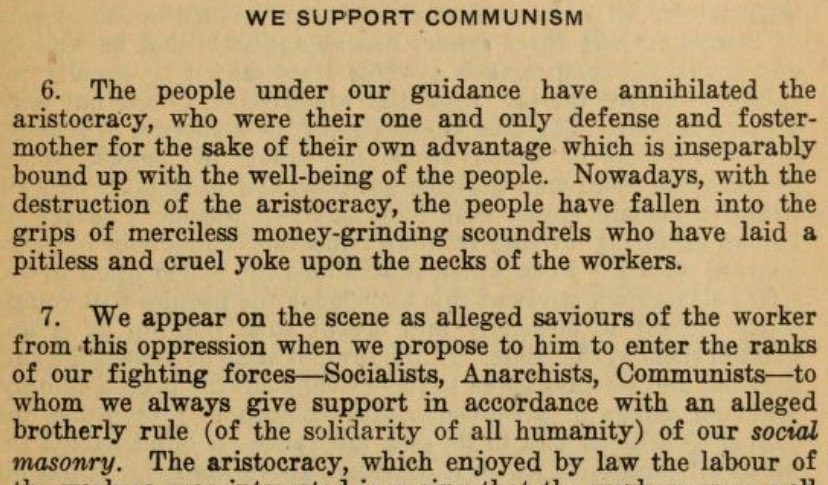
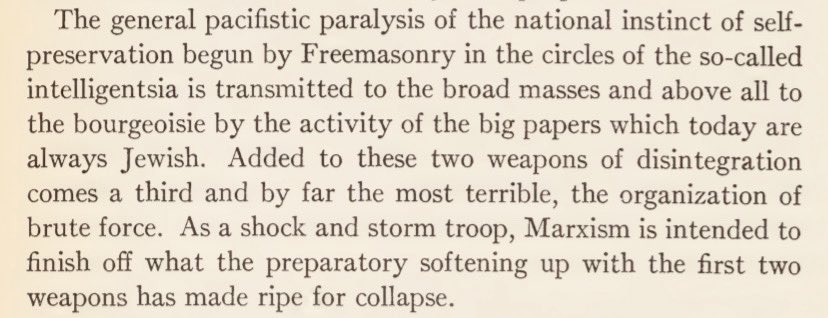
The two images quoting passages about Freemasonry transmitting “pacifistic paralysis,” Jewish-controlled “big papers,” and “social masonry” supporting communism are taken directly from The Protocols of the Elders of Zion — a notorious hoax fabricated by the Tsarist Russian secret police around 1903. It was plagiarized from earlier European political satires (such as Maurice Joly’s 1864 work – The Dialogue in Hell Between Machiavelli and Montesquieu) and falsely claims a secret Jewish-Masonic conspiracy to dominate the world through finance, the press, and revolutionary movements.
This document has been thoroughly debunked since the 1920s (including by The Times of London in a series of Articles written by Philip P Graves in “The Protocols” A Literary Forgery) and has no historical value. That being said, it is completely irrelevant to 17th-century America, the Founding Fathers, colonial Freemasonry, or early private banks. Quoting it as “evidence” is simply recycling 20th-century propaganda to smear the American founding and Founders. It adds nothing factual to the discussion of Jefferson’s, Madison’s, or Washington’s polite letters or the roles of individual merchants like Moses and Hays.
The Broader Narrative and Its Purpose
This narrative and images cherry-pick to claim the Founders (Washington, Jefferson, Madison, Hamilton) were in league with Jews via Freemasonry and banking to subvert the country and give Jews power—then use that to argue the Constitution and republic should be discarded for a “strong man” or monarchy. This is historically false and politically self-defeating.
The Founders’ primary concerns were not Jews. They were securing independence, paying debts, creating a stable union, protecting property and liberties of the existing European-descended population, and ensuring a virtuous citizenry capable of self-governance (see The Federalist Papers). Religious liberty provisions prevented the religious civil wars of Europe by disestablishing any single sect at the federal level while states initially retained varied arrangements. Equality under law was a principle, applied in a nation whose demographic reality was overwhelmingly Northern European Protestant in culture and stock. Individual Jewish merchants succeeded through trade networks, literacy, and commerce — overrepresentation in certain fields reflects group traits and history, not a conspiracy to capture the American founding.
Colonial Freemasonry was a European (British) import used by patriot elites. Jewish members were assimilated participants in tolerant lodges, not the root or controllers.
The claim that “America was made for Jews to take power” or that the founding was a Jewish-Masonic subversion inverts reality. It erases the explicit European focus of the 1790 Act, the cultural assumptions of the signers and soldiers, and the tiny scale of the Jewish population. It also ignores that many Founders (especially Jeffersonians) were wary of banks, cities, and concentrated finance. Critics will point to Moses Michael Hays as “proof” that Jews controlled or were the root of American Freemasonry. This overstates one man’s role. Hays was a merchant and enthusiastic Mason who helped spread Scottish Rite elements in two urban lodges and rose to Grand Master in Massachusetts. However, he was one individual in a vast network of lodges (over 200 by the end of the war) that were overwhelmingly Protestant European in membership and character. Blue Lodge (Craft) Masonry — the core level practiced by Washington, Franklin, and most Founders — predated Hays’ activity and remained the dominant form throughout the founding.
The Scottish Rite was not active or influential during any of the colonial era or the time of the Founding (1770s–1780s). It only became organized well after the Revolution, Constitution and the Bill of Rights. This whole line of argumentation is a canard.
From an Ethnic American Standpoint
Our ancestors built this country from Jamestown and Plymouth forward. They created a constitutional republic to secure ordered liberty for their kind and posterity. The 1790 Act was a deliberate boundary. Religious liberty was extended on principle and practicality—not as a favor to any group. Polite letters to small Jewish communities were ordinary civility, just as Washington wrote to other congregations.
Later mass immigration, and policy changes after 1965 have produced the demographic swamping and cultural shifts we see. That is the real displacement to analyze and redress through democratic and constitutional means—not by pretending the founding was a Jewish plot and throwing out the framework our forefathers gave us. If one believes the Constitution to be a Jewish instrument, then pray tell, why wait 175 years to introduce the Hart-Celler Act?
The “strong man instead of Constitution” impulse is understandable frustration but misguided. The Constitution contains amendment processes and was designed for a self-governing people of a particular character. Enforcing its original meaning, restoring immigration policy that preserves that character (as the Founders did), and rejecting both universalist erasure and conspiratorial delegitimization is the sounder path.
Individual Jews, like individuals of any group, pursued their interests. All peoples do. That does not make 18th-century American statesmen secret agents of a foreign or subversive agenda. The documents posted show republican principle and ordinary courtesy in a new nation—not a cabal.
© James Sewell 2026 – All rights reserved
A Personal Note from James
As a 13th-generation Ethnic American on both sides with direct paternal and maternal roots stretching back to Jamestown, I have spent years studying our founding stock and the hard-won Republic they built for their posterity. My own lineage runs deep — from Jamestown settlers on both sides to English kings and warriors, including Edward I (Longshanks), my Paternal 22nd great-grandfather, who issued the Edict of Expulsion of the Jews from England in 1290.
The evidence is clear: the tiny Jewish community in colonial America had no special power over the Founding Fathers or the creation of our nation. A handful of capable merchants in port cities participated in commerce and fraternal life like countless others — nothing more. The conspiracy theories that twist polite letters, independent private banks, or later Masonic developments into a grand plot simply do not hold up.
We cannot project today’s influence backward onto that era. The world has changed dramatically, and so have the challenges facing our people. Our Ethnic American nation faces real, pressing threats from many directions — powerful cartels flooding our communities with fentanyl that has killed over a million of our kith and kin since 2018, open borders erasing our demographic core, and cultural forces undermining the self-governance our ancestors fought for.
Fixating on one group to an irrational degree distracts us from the broader fight to secure our people’s future. Our focus must remain on reclaiming our birthright, strengthening our families, and rebuilding the historic American nation through it’s founding framework. That is the path forward — honest, rooted in our heritage, and true to the spirit of “Deeds Not Words.”
— James Sewell
US Population by Group: White | Jews | Other
(in millions, rounded )
| Year | Total Population | White | Jews | Other |
|---|---|---|---|---|
| 1776 | 2.5 million | 2.5 million | 2.5 thousand | 0.8 million |
| 1790 | 3.9 million | 3.2 million | 3 thousand | 0.8 million |
| 1800 | 5.3 million | 4.3 million | 3 thousand | 1.0 million |
| 1850 | 23.2 million | 19.6 million | 50 thousand | 3.6 million |
| 1900 | 76.0 million | 66.8 million | 1 million | 8.8 million |
| 1920 | 105.7 million | 94.8 million | 3.5 million | 10.5 million |
| 1930 | 122.8 million | 110.3 million | 4.3 million | 11.9 million |
| 1940 | 131.7 million | 118.2 million | 4.8 million | 12.9 million |
| 1950 | 150.7 million | 134.9 million | 4.8 million | 15.0 million |
| 1960 | 179.3 million | 158.8 million | 5.4 million | 18.9 million |
| 1965 | 194.3 million | ~165 million | 5.4 million | ~23.9 million |
| 1976 | ~218 million | ~178 million | 5.6 million | ~34 million |
| 1985 | ~238 million | ~188 million | 5.7 million | ~44 million |
| 1995 | ~263 million | ~194 million | 5.9 million | ~63 million |
| 2005 | ~296 million | ~198 million | 6.1 million | ~92 million |
| 2015 | ~321 million | ~197 million | 6.2 million | ~118 million |
| 2025 | ~342 million (proj.) | ~190 million (proj.) | ~6.3 million | ~146 million (proj.) |
Notes:
- Later years use Non-Hispanic White approximations for the “White” column to reflect the user’s series focus on ethnic American displacement.
- Jewish figures are core population estimates.
- “Other” includes Black, Hispanic, Asian, etc.