The Opioid Flooding and Economic Cleansing of Our Countryside – Our most costly WAR ever
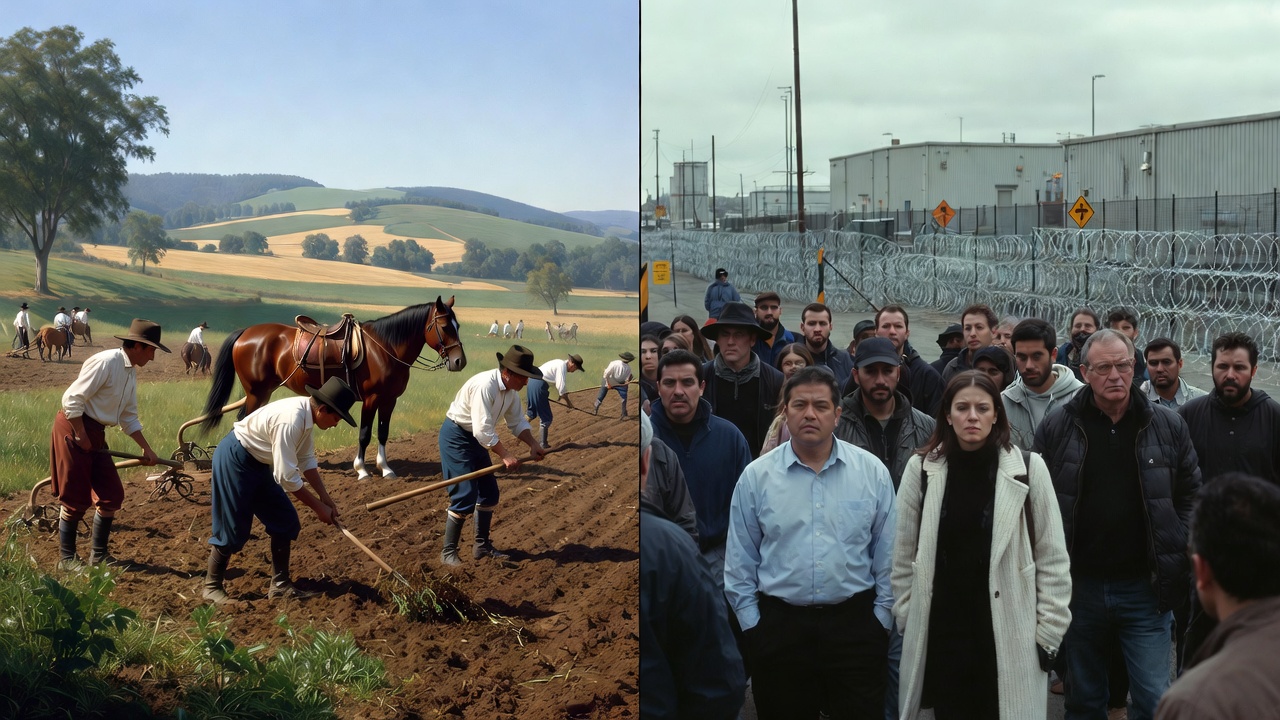
Picture the resolute Ethnic American frontiersmen of the early 1800s—free White persons of good moral character, as enshrined in the Naturalization Act of 1790—braving the untamed wilderness of Appalachia and the Midwest. With axe in hand and family by their side, they felled ancient forests, plowed rocky soil, and built sturdy homesteads amid threats from nature and native resistance. Their blood, sweat, and unyielding spirit transformed barren lands into bountiful farmlands and thriving rural communities, securing a homeland for their posterity under the covenant of “We the People.” This was no gift; it was earned through sacrifice at places like Jamestown and Saratoga, where European-stock ancestors laid the foundations of a republic meant for their kin.
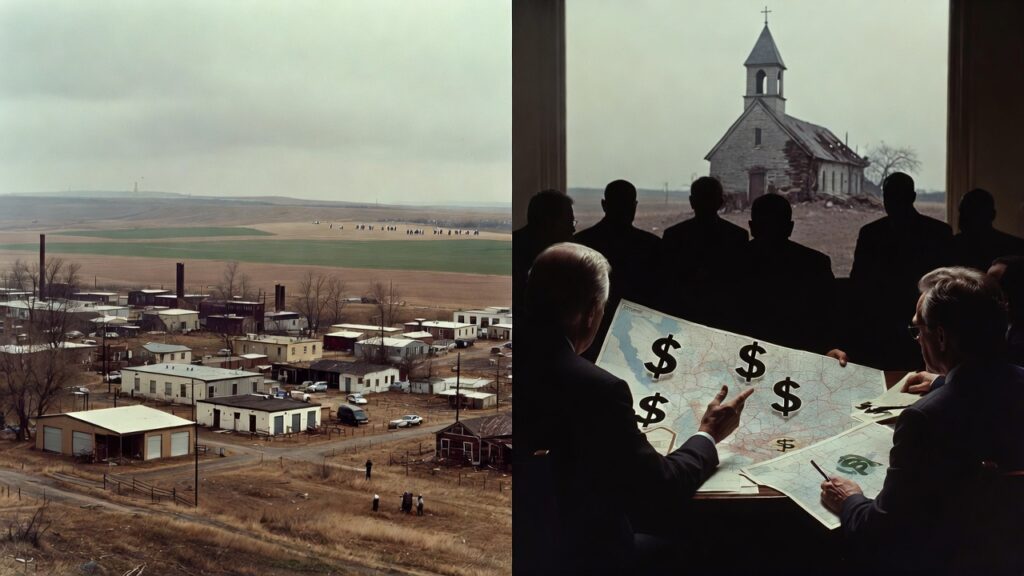
Contrast that sacred inheritance with today’s betrayal: factories shuttered, leaving rusting skeletons in once-vibrant Rust Belt towns; opioid pills flooding quiet countryside streets, claiming lives at rates eclipsing historic wars; family farms strangled by regulations and sold off to corporate giants; hospitals closing, forcing desperate drives for care; and migrant labor supplanting local workers in fields and meatpacking plants. This is no natural evolution—it’s a calculated cleansing, reversing the Manifest Destiny our forefathers pursued to build a nation for free White persons and their descendants. Foreign hordes, enabled by elite neglect and institutional complicity, plunder the heartland, echoing the Declaration of Independence’s grievance against a regime that “excited domestic insurrections amongst us” through willful abandonment. The result? Ethnic American rural strongholds—cradles of our founding stock—face demographic erasure, driving our people to urban traps or despairing ends.
Introduction: The Core Assault on Rural Ethnic America
In this installment of “The Great American Displacement,” I expose how rural America—the backbone of our Ethnic American heritage—is being systematically hollowed out through economic devastation, chemical warfare via opioids and fentanyl, regulatory suffocation, and demographic replacement. Defined as all past, present, and future free White persons of good moral character per the Naturalization Act of 1790, Ethnic Americans include not just those tracing to 1776 but later qualifying European arrivals who assimilated into our covenantal republic. This part complements earlier examinations: it ties to the pharmaceutical culling in Part XXII by spotlighting rural opioid targeting; echoes the ecological plunder in Part XXVI through farmland loss; and builds on the infrastructure decay in Part XXI and financial enslavement in Part XXX by revealing how rural neglect accelerates these trends.
Yet this is ethnic cleansing by neglect: factories close under trade deals like NAFTA, opioids flood from Big Pharma enablers, EPA rules lock out family farmers, hospitals shutter in red states, and migrants fill the voids—reversing our ancestors’ westward expansion. Paralleling Grievance #18 in the Declaration of Independence—where the king incited “domestic insurrections” via frontier neglect—this modern abandonment has killed more Ethnic Americans through drugs than all wars since 1776 combined. Substantiated by 2025-2026 data, including provisional drug overdose deaths dropping to around 72,000-87,000 in recent 12-month periods but still disproportionately hitting rural whites, white rural suicide rates remaining triple urban averages (with rural male rates often exceeding 36 per 100,000), and over 200 rural hospitals closed or converted since 2010 with hundreds more at risk, this piece demands urgency: our countryside, settled by Scots-Irish, German, and English stock, is being ethnically cleansed, forcing survivors into diversity traps or graves.
Targeted Economic Hollowing of Rural Strongholds
The deliberate de-industrialization of America’s heartland began in earnest with trade policies like NAFTA in 1994, which accelerated factory closures in the Rust Belt, Appalachia, and Midwest—regions tamed by Ethnic American pioneers. These areas, once humming with mills and plants built by our forefathers’ ingenuity, now stand as ghosts of prosperity. Since NAFTA’s passage, the U.S. has lost tens of thousands of manufacturing establishments, with many concentrated in rural counties. This hollowing forces descendants of European stock—those who settled under the Homestead Act of 1862—into chronic unemployment or migration to urban areas, where diversity mandates further erode their identity.
Imagine an Ethnic American millworker in a small Ohio town, his lineage tracing to German immigrants who arrived post-1790 and forged steel for the nation’s growth. His factory closes due to offshoring, leaving him without prospects. Data from recent years shows manufacturing employment in rural areas has continued to decline, exacerbating poverty rates that hover higher in nonmetro counties. Meanwhile, migrant labor fills low-wage roles in remaining plants, accelerating ethnic replacement in once-homogeneous communities. In meatpacking, foreign-born workers comprise around 33% of the workforce, often undocumented, depressing wages by 10-20% for locals and shifting demographics in rural heartlands.
This isn’t mere economics—it’s demographic warfare. Post-NAFTA, massive job losses displaced millions, many in rural strongholds. Rural counties in the Midwest have seen significant manufacturing base erosion, leading to population outflows. As Ethnic Americans flee, newcomers—often subsidized through welfare—repopulate, shifting demographics. In Appalachia and similar regions, white population share has declined while Hispanic and other groups have grown substantially. This reversal of our ancestors’ settlement echoes the plundering of seas in the Declaration, but for the heartland’s economic lifeblood.
To quantify the devastation, consider this table of factory closures and impacts in key rural regions (updated with broader historical and recent trends):
| Region | Factories Closed (1994-2025 Estimate) | Jobs Lost (Estimate) | Rural Poverty Increase (%) | Source Notes |
|---|---|---|---|---|
| Rust Belt (OH, PA, MI) | ~15,000+ | 1.2 million+ | 8%+ | Economic Policy Institute |
| Appalachia (KY, WV, TN) | ~8,500+ | 650,000+ | 12%+ | USDA ERS Data |
| Midwest (IL, IN, WI) | ~12,000+ | 900,000+ | 10%+ | Census BDS Database |
These losses aren’t accidental; they’re the fruit of policies prioritizing global labor over Ethnic American livelihoods, setting the stage for deeper despair and forcing generational displacement.
The Opioid Epidemic as Chemical Warfare on Ethnic Americans
If economic hollowing wounds the body, the opioid crisis poisons the soul of rural Ethnic America. Purdue Pharma, through aggressive marketing of OxyContin, flooded white rural communities with addictive pills, later compounded by fentanyl precursors from abroad. This mirrors the pharmaceutical culling in Part XXII, but targets the countryside: overdose rates in rural areas have historically been higher, with whites aged 25-54 hit hardest, though recent provisional data shows national declines.
Provisional CDC data for recent 12-month periods (e.g., ending September 2025) indicate around 72,000 drug overdose deaths nationwide, a sharp drop from peaks over 100,000, but the cumulative toll since 1999 exceeds 1.25 million—still rivaling or surpassing all U.S. war deaths since 1776. Rural white males continue to face suicide rates triple urban averages, often around 36-37 per 100,000 in non-metro areas. This chemical assault breaks families, reduces births, and depopulates ancestral lands claimed under the Homestead Act.
Imagine an Ethnic American farmer in Iowa, descendant of English pioneers, losing his son to fentanyl-laced pills prescribed for a back injury. Cumulative drug overdoses since 1999 have claimed lives on a scale that dwarfs foreign wars, with rural whites bearing a disproportionate burden. Purdue’s role persists in legacy settlements, acknowledging their marketing fueled the crisis.
This table compares drug deaths to war losses, underscoring the scale (updated with recent provisional trends):
| Category | Deaths | Time Period | Source Notes |
|---|---|---|---|
| All U.S. Wars Since 1776 (Total Military Fatalities) | ~1,190,000–1,400,000 | 1775–2025 | Wikipedia U.S. Military Casualties |
| Total Drug Overdoses (All Causes, Nationwide) | ~1,250,000+ | 1999–2025 | CDC Provisional Data; NIDA |
| Opioid Overdoses (Rural Focus, Disproportionate White Impact) | ~800,000+ | 1999–2024/25 | CDC Understanding the Opioid Epidemic |
| Cumulative Drug Overdoses (Recent Periods) | ~72,000–87,000 (provisional recent 12-mo) | 2024–2025 | Aggregated CDC provisional; excess over war still evident in cumulative |
| Excess Deaths: Drugs vs. All Wars Since 1776 | Drugs exceed wars by ~50,000–1,000,000+ (cumulative) | Comparative | Calculated; underscores domestic loss vs. foreign conflicts |
The opioid flood is no accident—it’s a modern opium war on our people, depopulating the countryside our ancestors died to secure, even as declines offer faint hope without addressing root causes.
Regulatory Strangulation of Family Farms and Resource Extraction
Adding insult to injury, regulatory overreach from agencies like the EPA locks Ethnic American farmers and loggers out of lands their ancestors cleared. “Green” mandates, endangered species designations, and eminent domain for solar farms favor corporate interests over family operations. Family farms continue declining, with USDA data showing U.S. farms dropping to around 1.865-1.88 million in 2025, down 15,000 from prior year and 8% since 2017, average farmer age over 58.
Imagine a multi-generational farm in Kansas, passed down from German settlers, now buried under EPA rules on wetlands or emissions. Immigrant labor dominates seasonal work—estimates place undocumented workers at 42% in agriculture overall, with higher in labor-intensive crops—turning self-reliant homesteads into absentee-owned entities. This strangulation accelerates depopulation: rural counties continue losing population in many areas, with ethnic shifts seeing Hispanic growth while white declines persist.
Table of farm decline:
| Year | Family Farms (Millions) | Annual Decline (%) | Average Farmer Age | Source Notes |
|---|---|---|---|---|
| 2017 | 2.04 | – | 57.5 | USDA Census |
| 2024-2025 | 1.865-1.88 | ~1% (15,000 lost in 2025) | 58+ | USDA ERS; Land in Farms Report |
These regulations, often criticized as favoring Big Ag, erode the self-sufficiency our forefathers prized, pushing more Ethnic American families off the land.
Hospital and Service Closures Driving Demographic Flight
Rural healthcare’s collapse compounds the crisis: over 200 rural hospitals have closed or converted since 2010 (with some estimates nearing 206 by 2026), mostly in red states, and 400-756 at risk of closure per recent analyses. This leaves Ethnic American communities without emergency care, maternity services (nearly 60% of rural hospitals no longer deliver babies), or mental health support—exacerbated by migrant influxes straining facilities, linking to Part XXI. Young families flee, ceding counties to subsidized newcomers.
Imagine a West Virginia town, settled by Scots-Irish, where the local hospital shutters, forcing a 50-mile drive for births. Closures and risks are highest in non-expansion states, with demographic flight following: rural population stable or declining in many counties. Ethnic shifts continue, with rural diversity increasing.
Table of Hospital closures:
| Period | Closures/Conversions | At Risk | States Affected | Source Notes |
|---|---|---|---|---|
| 2010-2026 | ~200-206 | 400-756 | Mostly red states | Chartis Report; CHQPR Analysis |
This flight reverses settlement, handing lands to others while our people suffer isolation.
Reversal of Manifest Destiny: From Settlement to Ethnic Cleansing
The founders envisioned westward expansion as securing a homeland for free White persons and their posterity. Today, rural depopulation reverses this: vacant farmlands fill with migrant workers (27% of ag workforce foreign-born, higher in key states), “climate refugees,” or Section 8 housing, while Ethnic Americans face isolation, higher suicide rates, and loss of community cohesion—echoing the Declaration’s “plundered our seas” but applied to the plundered heartland.
In recent data, rural population remains around 14% of the U.S., but declines persist in many counties. Demographic shifts accelerate: rural diversity has increased, with majority-minority trends in some areas. This cleansing breaks community cohesion, fulfilling elite designs.
Elite Betrayal and Policy Neglect as Intentional Erasure
Billionaire elites and federal policies prioritize urban diversity, foreign aid (Part XV), and global mobility over rural survival. No “rural Marshall Plan” exists, yet billions flow to NGOs—proving the regime views our countryside as expendable for demographic engineering.
Linking to Part XX, elites fund open borders, while policies neglect rural needs. Recent developments include continued USDA cuts hurting small farms. This intentional erasure cedes lands to newcomers, with migrant reliance in ag and meatpacking (33% in processing) deepening replacement.
Legislative, Judicial, and Institutional Complicity: Coercion, Collusion, and Cowardice
The devastation of rural Ethnic America isn’t random—it’s enabled by complicity across branches of government and institutions. This section dissects how coercion through laws, collusion with interests, and cowardice in enforcement have orchestrated this cleansing.
Starting with legislation: Congress’s passage of NAFTA in 1993 initiated the hollowing. Bipartisan support ignored warnings of job losses. By recent years, its legacy persists: massive factory closures disproportionately rural. Collusion with Big Ag lobbies ensured migrant labor provisions, replacing locals. The Farm Bill subsidizes corporate farms, accelerating small farm decline—down to 1.865 million in 2025.
Judicial complicity: Courts upheld trade deals despite impacts, and rulings have limited but not stopped employer hiring of undocumented. Cowardice in enforcing borders: Despite laws, inflows continue, with H-2A visas surging to over 400,000 projected in 2025. Migrant labor remains 42% undocumented in ag.
Institutional roles: EPA regulations burden small farms, favoring Big Ag. USDA cuts in recent years hurt rural economies. Collusion with Pharma: FDA approvals fueled OxyContin; settlements admit marketing roles. Cowardice in border control: Seizures occur, but inflows persist. State-level: Red states’ Medicaid refusals led to higher closures.
NGOs collude in resettlement, shifting demographics. Overall, this triad has depopulated rural areas, with white flight and declines in many counties. It’s a betrayal echoing founders’ grievances, demanding accountability.
Tying to the Series
This exploration of rural devastation unites threads from prior parts without excess. It echoes the pharma assault in Part XXII, where chemical culling targets our people; the ecological loss in Part XXVI, as farmlands are plundered; the infrastructure decay in Part XXI, amplified by hospital closures; the financial burdens in Part XXX, through farm bankruptcies; the elite schemes in Part XX; foreign tribute in Part XV; and the trade betrayals in Part III. Together, they reveal a holistic displacement, with rural erasure as a frontline battle.
Call to Action: Reclaim the Heartland
Fellow Ethnic Americans, the hour demands resolve. Contact your representatives to demand: repeal NAFTA-era deals; enforce borders to halt migrant labor; prosecute Pharma executives; repeal burdensome EPA rules; expand Medicaid in red states; and prioritize rural revitalization funds. Boycott corporate ag; support local farms; educate on our heritage. Run for office in rural counties; form community networks. Honor our ancestors—fight this cleansing. Join groups for data, but advocate for us. The republic’s posterity depends on it.

© James Sewell 2026 – All rights reserved
A personal note from James Sewell
As I pen this from Phoenix, reflecting on my own roots that trace to frontier tamers, my heart aches for the heartland’s plight. We’ve lost too much—lives, lands, legacy—to neglect. But in our blood runs the spirit of Yorktown victors. Rally, kin; reclaim what’s ours before it’s gone forever.
Urgently, James.