From Baby Burlesks to the Punishment Box—How the Studios Stole an Ethnic American Icon’s Youth While Profiting Billions
Imagine the sturdy stock of our Ethnic American forebears—those who crossed oceans, tamed the frontier, and built a republic under the clear covenant of the Naturalization Act of 1790, reserving citizenship for free White persons of good moral character. They sacrificed blood and sweat so their posterity could inherit a land of opportunity, where innocence bloomed protected and talent served the folk. Now contrast that with 1930s Hollywood: a machine that seized a golden-curled Ethnic American daughter at age three, paraded her dimples for Depression-weary crowds, locked her in a dark punishment box atop a block of ice when she faltered, and let studio executives prey on her budding youth—all while raking in adjusted billions that never reached her hands. This was no accident. It was the next chapter in the theft of our screen, our stories, our children’s futures. As fresh public reckonings in 2026 continue to surface, Shirley Temple’s ordeal stands as undeniable proof of how the industry turned our wholesome icons into commodities for predation and profit.
I have chronicled in this series how gangsters and opportunists hijacked the industry from its Ethnic American roots—patent thefts, scandals that silenced pioneers, murders that cleared the field. Shirley Temple’s story fits perfectly as another brutal exhibit. She embodied the wholesome American girl our people once celebrated. The studios cynically exploited her childhood innocence through coercive labor, physical punishments, documented executive predation, and financial plunder, then discarded her when her market value dipped. Her billions in generated wealth enriched outsiders while robbing an Ethnic American icon of safety, inheritance, and the unscarred youth that should have been her birthright. This theft didn’t just harm one bright girl; it betrayed our posterity, signaling that Ethnic American children were raw material for profit, not heirs to a covenant of continuity and protection.
Shirley Temple: America’s Sweetheart as Ethnic American Heir
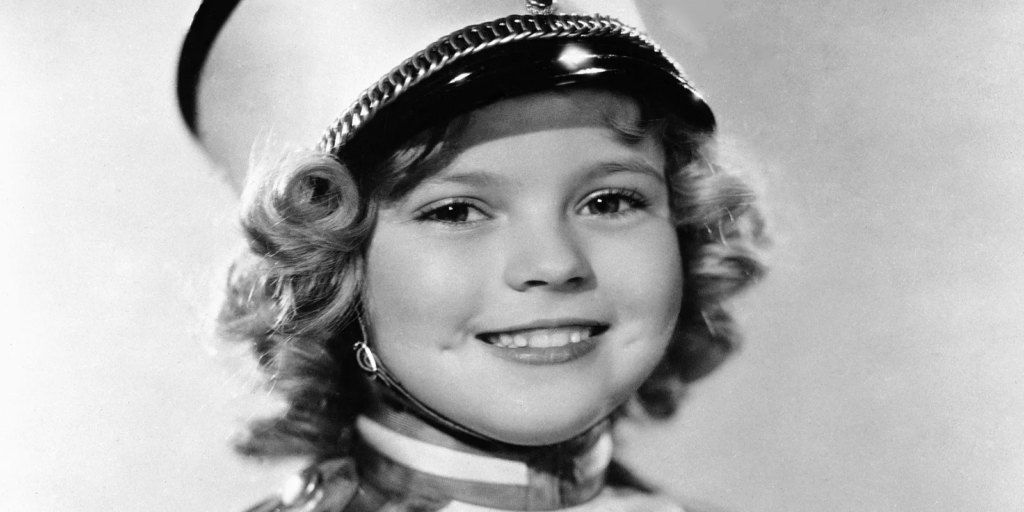
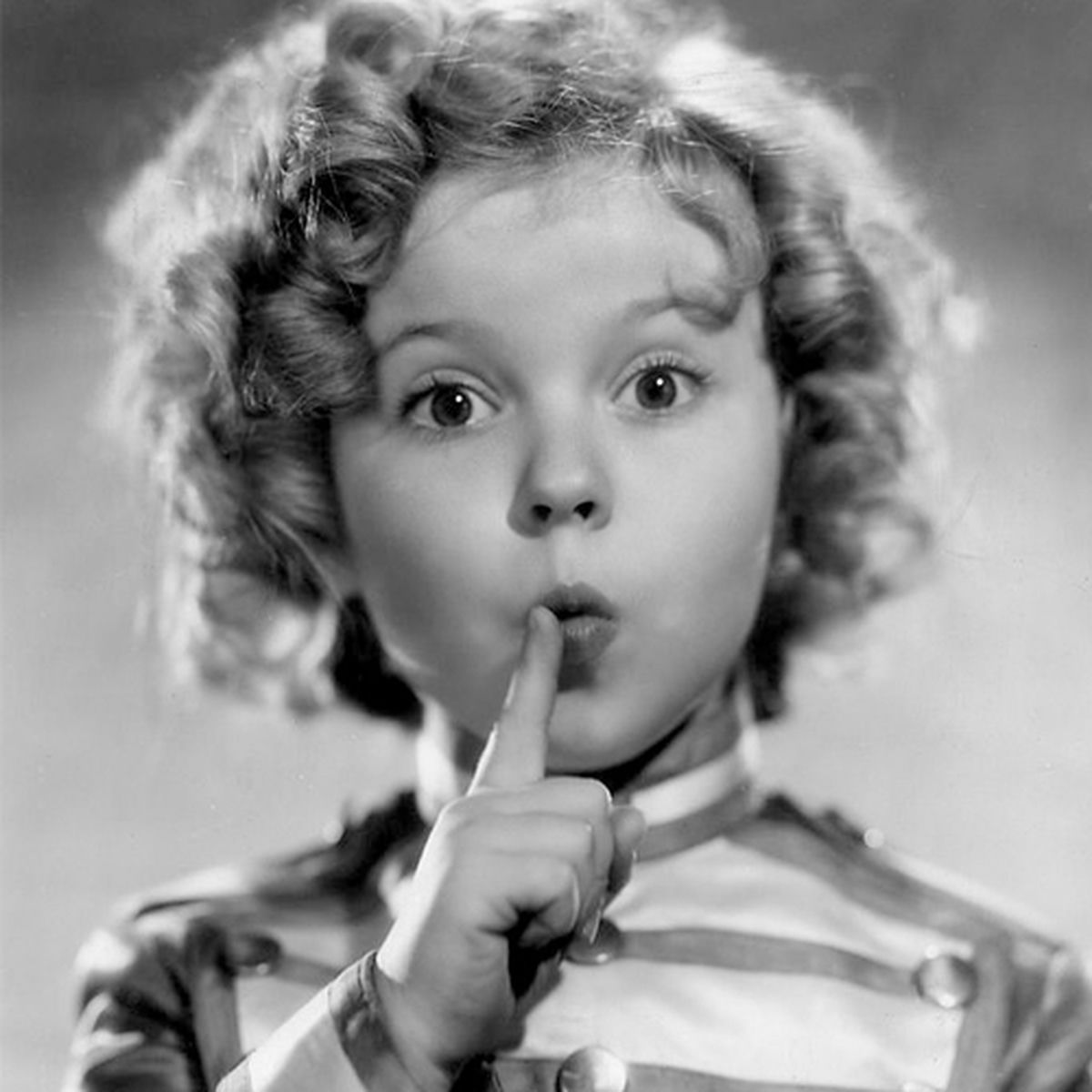
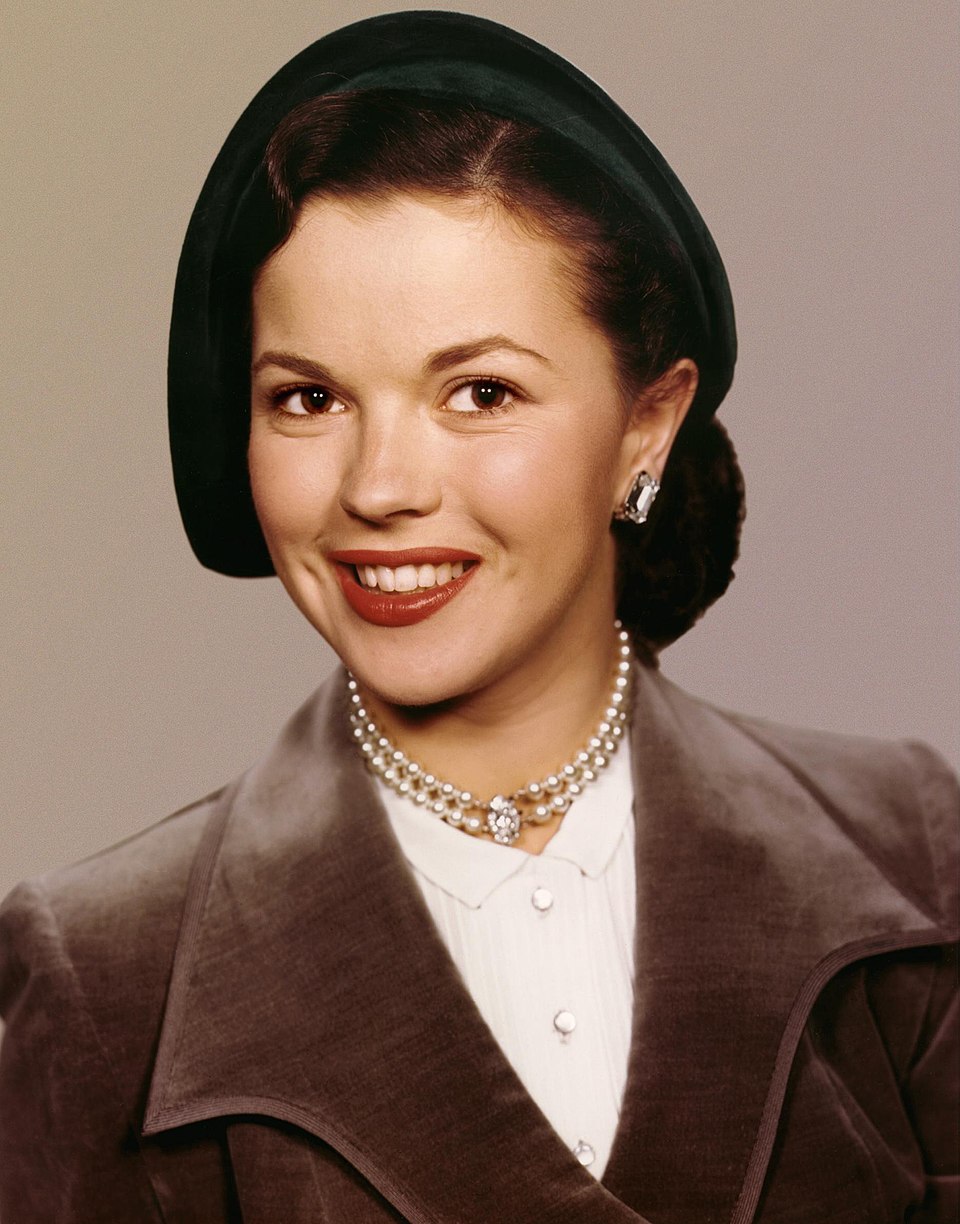
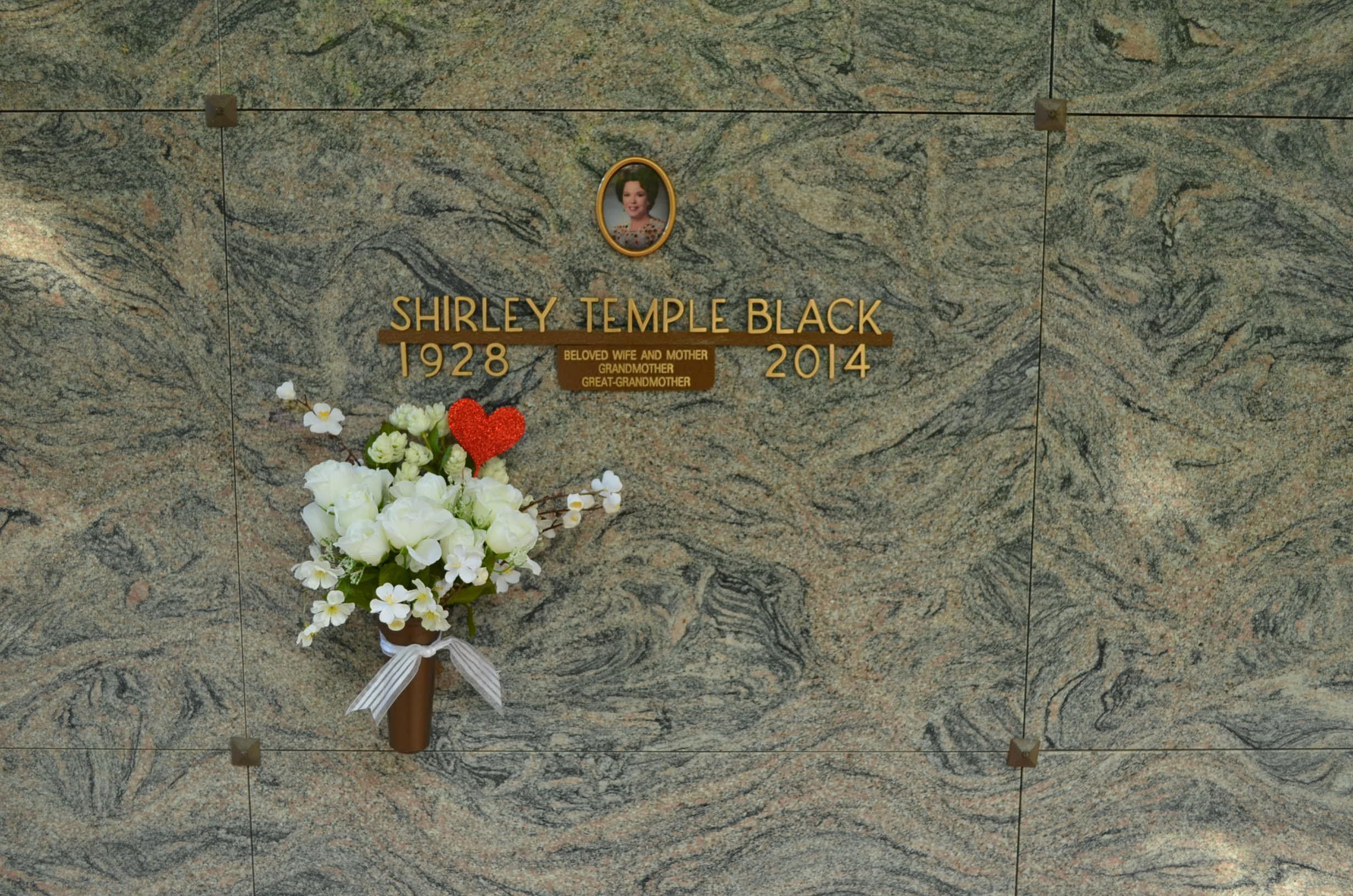
Shirley Jane Temple was born on April 23, 1928, in Santa Monica, California, to a family of solid Ethnic American lineage—English, German, and Dutch roots tracing to the founding stock that built this nation. Her father, George Francis Temple, worked as a bank employee; her mother, Gertrude, managed the home with the practical diligence our women have always shown. Shirley possessed the fair features, curls, and dimpled smile that reflected the European settler ideal millions of American families recognized as their own. She wasn’t some imported exotic; she was one of us, the girl next door elevated to symbol during hard times.
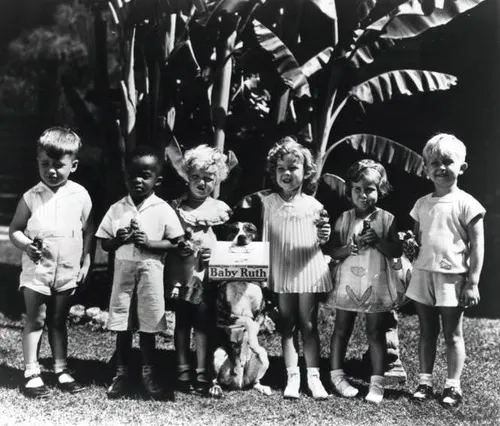
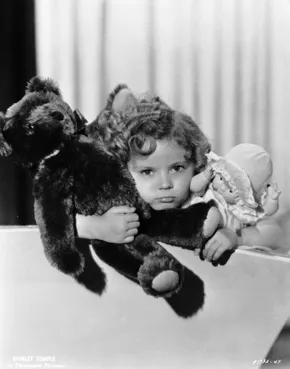
By age three, talent scouts spotted her at dance class. She landed in low-budget shorts for Educational Films, a Poverty Row outfit churning out quick content. Her big break came with Fox Film Corporation (soon 20th Century-Fox). In 1934’s Stand Up and Cheer!, her “Baby, Take a Bow” number lit up screens.
From there, she became Hollywood’s top box office draw, out-earning legends like Clark Gabel in peak years. Films like Bright Eyes (with the iconic “On the Good Ship Lollipop“), The Little Colonel, Curly Top, and Wee Willie Winkie turned her into a global phenomenon. Merchandise—dolls, clothing, sheet music—flooded the market. She photographed more than any other figure on Earth in the mid-1930s.
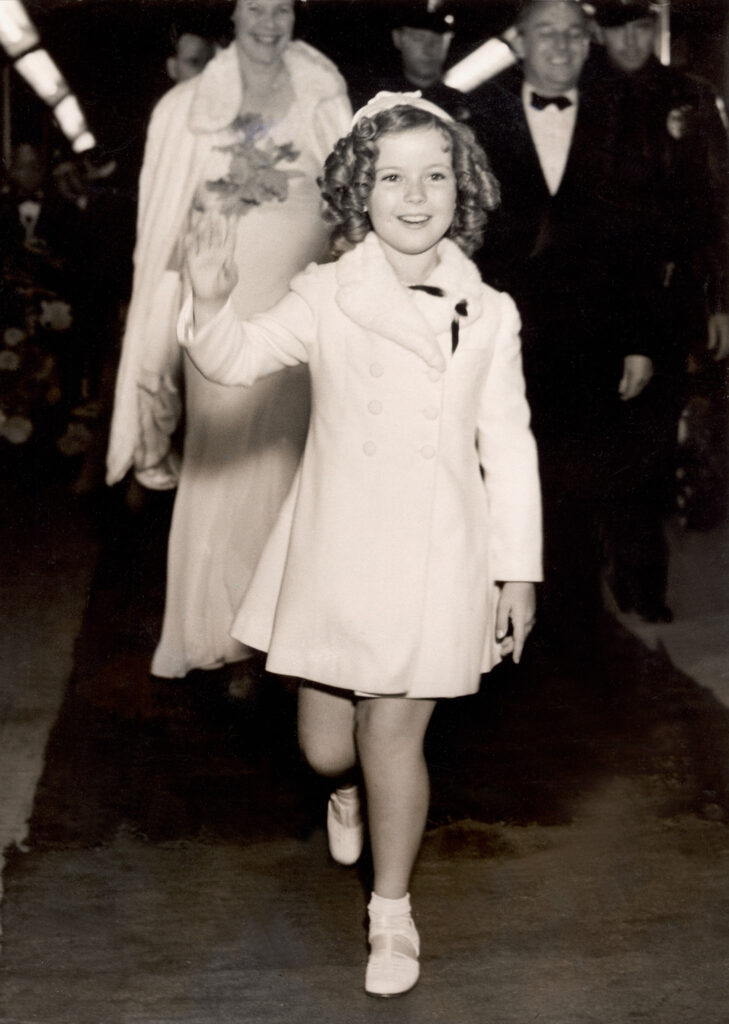
Yet this “success” masked systematic theft. The industry didn’t nurture her talent within bounds of childhood; it consumed her. Contracts demanded grueling schedules. Studios profited enormously while shielding predators and enforcing discipline through fear. Rumors circulated even then—whispers among crews and parents about executives who viewed access to young stars as a perk of power, about casting couches that started shockingly early, about adult men on set handling her with unsettling familiarity. Shirley later confirmed elements in her 1988 autobiography Child Star and in public testimony, speaking with the calm of someone who refused to let it define her, but the facts indict the machine.
Baby Burlesks: Cynical Exploitation of Childish Innocence
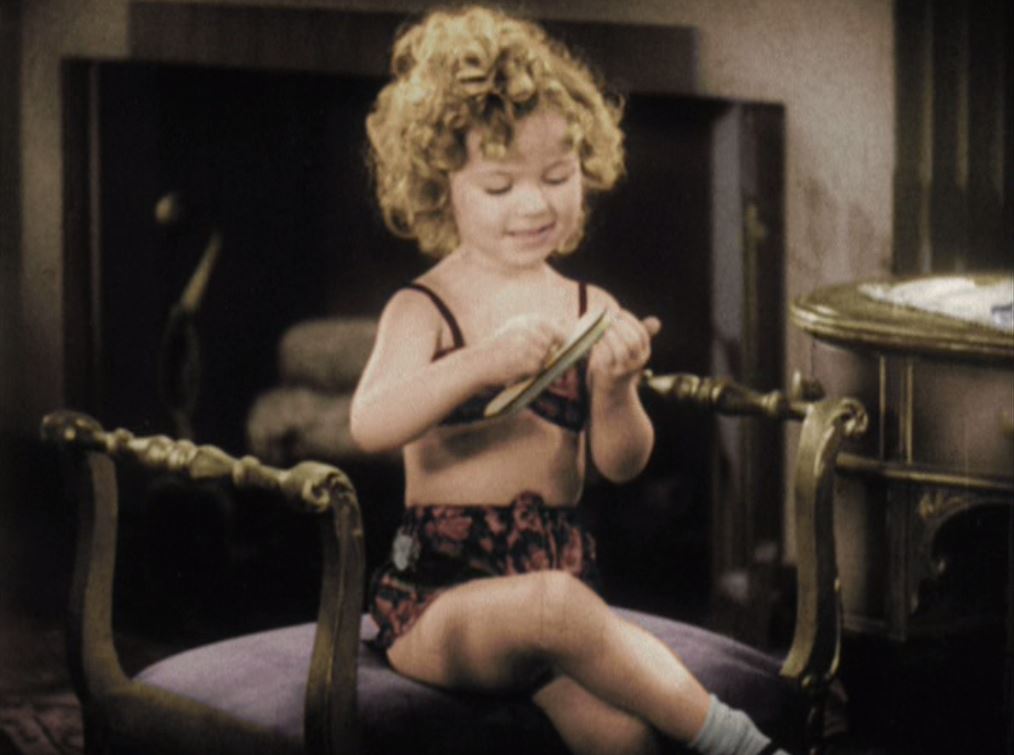
The theft began early. Before her Fox stardom, Shirley appeared in the Baby Burlesks series—eight shorts from 1932–1933 where toddlers in diapers reenacted adult films and events with disturbingly suggestive plots. In War Babies, three-year-old Shirley played “Charmaine,” a character parodying a prostitute, complete with adult costumes over diapers fastened by oversized safety pins. She later described the series as “a cynical exploitation of our childish innocence,” noting that some entries veered racist or sexist. These weren’t innocent play; they sexualized preschoolers for cheap laughs and quick profits on the margins of the industry, turning Ethnic American toddlers into objects of adult fantasy.
Watch War Babies (1932) here:
Directors treated the young cast like miniature adults under a “time is money” regime. Misbehavior triggered the infamous punishment box—a soundproof, windowless black booth, roughly six feet square, containing a large block of ice. Children were locked inside to “cool off,” forced to stand in the cold, damp air or sit directly on the ice for extended periods. Shirley endured it multiple times. She recalled one instance after an eardrum operation, working the next day despite pain, and another dancing on an injured foot. The lesson she internalized: wasted time meant wasted money meant trouble. Her mother sometimes dismissed her reports, pressuring her to continue.
During sequences like the famous “On the Good Ship Lollipop,” adult men on set were assigned to handle her closely—applying face powders and making physical adjustments that fueled contemporary whispers of objectification far beyond any professional necessity. This wasn’t mere discipline; it was coercion to extract performance from bodies too young for such demands, embedding a culture where child stars’ innocence was fair game. Child labor laws existed in theory, but Hollywood exploited exemptions and lax enforcement. The Fair Labor Standards Act of 1938 later exempted child performers from key protections, a pattern of institutional carve-outs that favored the studios. Rumors swirled in the 1930s about harsher backstage realities—pressures, favors demanded, the normalization of adult gazes on child bodies. The Baby Burlesks set the template: Ethnic American children’s innocence commodified, their spirits tested in darkness, all to launch careers that enriched outsiders.
The Punishment Box, Grueling Schedules, and the Theft of Youth
As Shirley’s star rose, the exploitation intensified. Fox signed her to a contract at age six: $1,000 per week for her, $250 for her mother (who served as guardian, hairdresser, and coach), plus bonuses. By 1938, she earned $307,014 annually—more than anyone in Hollywood except MGM’s Louis B. Mayer, and more than the president of General Motors. Her films grossed tens of millions in contemporary dollars; adjusted estimates for her catalog reach into the billions today when factoring merchandise and cultural impact.
Yet the human cost was immense. Schedules stretched long—often 12-hour days, six days a week. She worked injured. The punishment box lingered as a threat in early years. Studios pushed her through illnesses and fatigue because “time is money.” Her mother stayed on set, but the power imbalance favored executives. Shirley danced, sang, and emoted on command, delivering the optimism Depression audiences craved. In return, her childhood evaporated under lights and lenses.

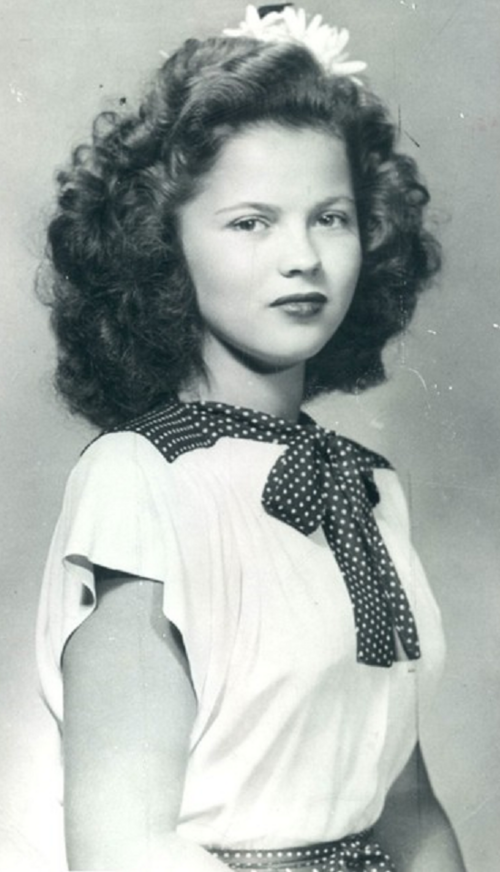
By her teens, the machine turned harsher. Fox dropped her contract in 1941 after flops, citing slumping sales—despite her earlier billions in value. MGM picked her up briefly, but the “rebranding” talks revealed the cynicism: lose the baby fat, change the hair, become a “woman.” At around age 12 during an MGM visit, producer Arthur Freed allegedly exposed himself, saying, “I have something made just for you.” Shirley reacted with nervous laughter; he threw her out. She later described gaining the impression that casual sex could be a condition of employment. She recounted this shocking encounter publicly on Larry King Live in 1988, exposing the normalized predation that had targeted her as a child star. At 17, producer David O. Selznick reportedly made advances during a meeting, framing it as a “workplace formality” for a big executive. Even high-profile figures like FBI Director J. Edgar Hoover interacted with the young star in ways that included public kisses and photo opportunities, while associations with entertainers like Bob Hope added to the whispers of elite handlers treating her as accessible. Rumors from the era spoke of other executives and figures circling young talent, with death threats even reaching Shirley around age 10—whispers of kidnapping plots or worse that heightened the terror.
These weren’t isolated lapses. They reflected a culture where child stars, especially wholesome Ethnic American ones, became targets. Jealousy, control, and raw predation mixed with the studio system’s monopolistic grip. Shirley fought off lecherous advances repeatedly. She retired from films at 22 in 1950, her youth spent. The industry had taken her childhood, her safety, and much of her earnings, then moved on to the next face.
Quantifying the Plunder: Billions Generated, Inheritance Stolen
The numbers expose the scale of theft. Shirley earned roughly $3.2–3.4 million during her childhood career from salaries, films, and merchandise. In today’s terms, that base figure balloons dramatically with inflation and multipliers from box office and licensing. Her films’ adjusted grosses alone have been estimated in the hundreds of millions to over $2.7 billion across her catalog in 2016-equivalent dollars, with her peak output driving Fox from near-bankruptcy to stability.
Yet when she turned 22 and inquired about her trust fund, only about $44,000 remained. Her father, as business manager, had invested poorly—bad stocks, family expenses, perhaps advice that favored others. Ninety-seven cents of every dollar vanished. The Coogan Act (1939), spurred by Jackie Coogan’s similar loss, aimed to protect child earnings via court-approved trusts, but loopholes persisted: net vs. gross calculations, parental “management” fees, discretionary enforcement. California’s later reforms (2000 onward) mandated 15% of gross into protected accounts, recognizing the child’s property rights—but too late for Shirley’s generation.
Consider this data on the economic betrayal:
| Metric | Shirley’s Value | What Reached Shirley | Impact on Ethnic American Continuity | Source Notes |
|---|---|---|---|---|
| Peak Annual Earnings (1938) | $307,014 (more than GM president) | Minimal after “investments” | Robbed inheritance for her own posterity; signaled Ethnic children as expendable labor | The Atlantic on Shirley Temple Salary |
| Total Childhood Earnings | ~$3.2–3.4 million (1930s dollars; billions adjusted with merch/film impact) | $44,000 in trust at age 22 | Loss of family wealth transfer; eroded ethnic resource security | Shirley Temple Autobiography references; BBC Culture |
| Fox Studio Rescue | Saved Fox from bankruptcy; multiple hits grossing tens of millions each | Contract dropped at teens | Studios profited from Ethnic icon then discarded; pattern of monopolization | Box Office Madness on Temple Grosses |
| Merchandise & Cultural Reach | Dolls, clothes, endorsements; photographed more than anyone | Near-total dissipation | Cultural symbol co-opted; no lasting Ethnic family stake | National Women’s History Museum |
| Modern Parallel Costs (2026 est.) | Ongoing Hollywood child exploitation ecosystem | Persistent loopholes in trusts/labor | Annual cultural/psychological toll on Ethnic families in billions via lost continuity | Industry reports on child performer exemptions under FLSA |
These figures aren’t abstract. They represent stolen safety, stolen time, stolen futures for one of our own—and by extension, the message sent to every Ethnic American family dreaming of opportunity in the arts.
Institutional Complicity: Coercion, Collusion, and Cowardice
The studios didn’t act alone. Legislatures, courts, unions, and regulators enabled the plunder through cowardice, collusion, or outright carve-outs. The Fair Labor Standards Act of 1938 explicitly exempted child actors from core child labor protections, a concession to the entertainment lobby that persists today. This wasn’t protection; it was permission for exploitation under the guise of artistic necessity. California’s Coogan Act responded to public outrage over Jackie Coogan’s lost millions but contained loopholes allowing parental “stipends” and net-income deductions that let managers and studios skim. Shirley’s own case proved the weakness—judges and enforcers rarely intervened aggressively against powerful studios.
In the 1930s, the Motion Picture Producers and Distributors of America (Hays Office) focused on moral censorship of content while ignoring on-set abuses. Rumors of predation reached executives and agents, yet silence prevailed. No major investigations targeted the casting couch culture or punishment tactics like the black box. Even institutions like the FBI, whose director fraternized publicly with the child star through kisses and photo ops, exemplified how power structures normalized access rather than safeguarding innocence. Local authorities in Los Angeles turned a blind eye; Hollywood’s economic power—jobs, tourism, political donations—bred cowardice. Federal antitrust efforts against studio monopolies (like the later Paramount decrees) addressed vertical integration but sidestepped human costs to child performers, especially Ethnic American ones whose wholesome images masked the rot.
Parents faced coercion too. Many, including Shirley’s mother at times, prioritized career momentum over complaints. Studios threatened blacklisting or replacement. The broader institutional failure echoed the series’ earlier scandals: weak probes into murders and frame-ups, judicial timidity before industry muscle. By the 1940s, as Shirley aged out, the system had refined its methods—public adoration paired with private predation. In 2026, echoes remain: child performer exemptions under federal law, influencer loopholes on platforms, and narratives that further sideline traditional Ethnic American stories while exploiting new young faces. Reports from recent years highlight ongoing vulnerabilities, with former child stars speaking out about normalized abuse. Legislators offer hearings but deliver little reform; lobbies prevail. This complicity isn’t mere oversight—it’s betrayal of the founding covenant that promised protection for our posterity. This is documented failure: coercion via contracts, collusion via silence, cowardice via non-enforcement and elite fraternization. Our Ethnic American children deserved better from the institutions claiming to serve the republic.
Tying to the Series: Patterns of Theft from Our Icons
This chapter unites the thread. From the nickelodeon gangsters’ patent heists in Part 1, through Mack Sennett and Mabel Normand’s creative plundering, Roscoe Arbuckle’s framing, the Taylor-Minter murder mystery, Louise Brooks and Frances Farmer’s institutional destruction, Thomas Ince’s suspicious death, Thelma Todd’s “suicide,” Wallace Reid’s addiction-enabled demise, and Elizabeth Short’s brutal erasure—the pattern is consistent. Ethnic American talent builds or embodies the dream; outsiders seize control through coercion, scandal, murder, addiction, monopolization, jealousy, and predation. Shirley’s story adds the cynical theft of childhood itself: Baby Burlesks as early sexualization, the punishment box as physical coercion, executive advances and public exposures as direct predation, and financial dissipation as resource theft. Like the others, rumors of the time—predatory executives, threats, cover-ups, and inappropriate handling by powerful men—back the mechanisms. The studios didn’t just borrow our icons; they consumed their youth to profit billions while eroding ethnic continuity. Each part reveals the same betrayal of safety, inheritance, and the covenant.
A Personal Note from James Sewell
Ethnic Americans, this cannot stand. Shirley Temple was one of ours—her curls, her smile, her spirit reflected the best of what we built. They stole her childhood in darkness and ice, preyed on her youth behind closed doors, and scattered her earnings like chaff. Our forebears didn’t tame this land so their descendants could watch our daughters commodified and discarded. I burn with resolve, not despair. We reclaim by knowing the truth, boycotting the machine that still profits from similar patterns, supporting genuine Ethnic American voices in independent creation, and demanding real protections—no more exemptions that sacrifice our posterity. Teach your children our history unfiltered. Demand accountability from institutions that failed Shirley and so many others. The screen was ours by right of invention, creativity, and blood. Let’s take it back for the generations who deserve unscarred youth and rightful inheritance. The covenant lives if we enforce it.
© James Sewell 2026 – All rights reserved
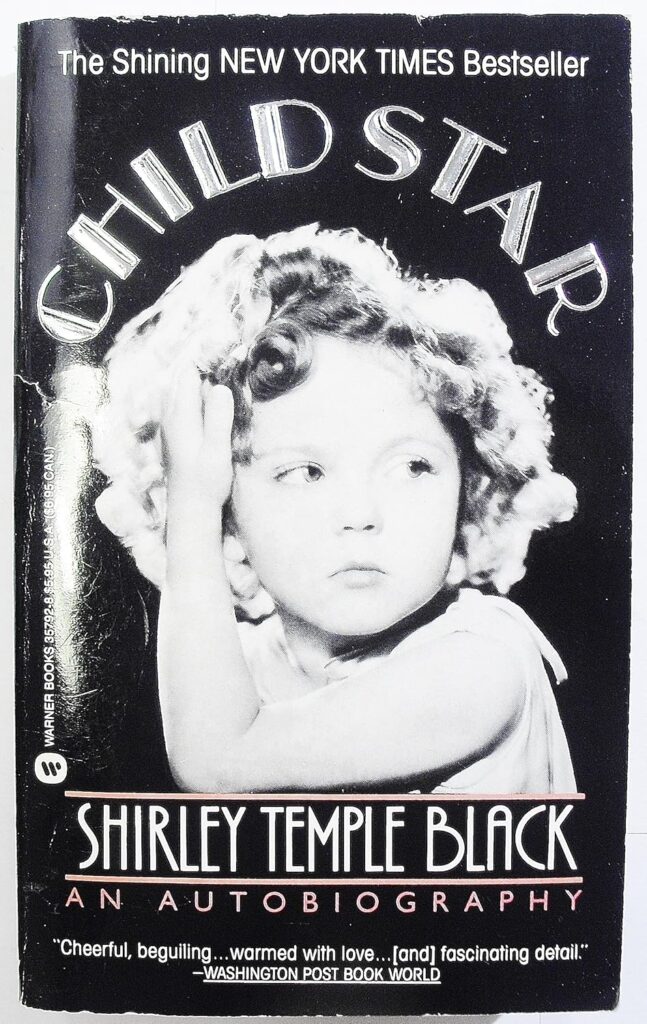
If the article interested you and you’d like to know more about the life of Shirley Temple, you can buy her autobiography here
Read the rest of the series at the following links:
Part 1 of “The Stolen Screen” (The Nickelodeon Gang) is here
Part 2 of “The Stolen Screen” (Mabel Normand and Mack Sennett) is here
Part 3 of “The Stolen Screen” (Roscoe “Fatty” Arbuckle) is here
Part 4 of “The Stolen Screen” (William Desmond Taylor & Mary Miles Minter) is here
Part 5 of “The Stolen Screen” (Louise Brooks, Frances Farmer) is here
Part 6 of “The Stolen Screen” (Thomas H. Ince) is here
Part 7 of “The Stolen Screen” (Thelma Todd) is here
Part 8 of “The Stolen Screen” (Wallace Reid) is here
Part 9 of “The Stolen Screen” (The Black Dahlia, Elizabeth Short) is here
Let’s never forget Shirley Tempe and the 1000s of exploited Children pushed through the grist mill
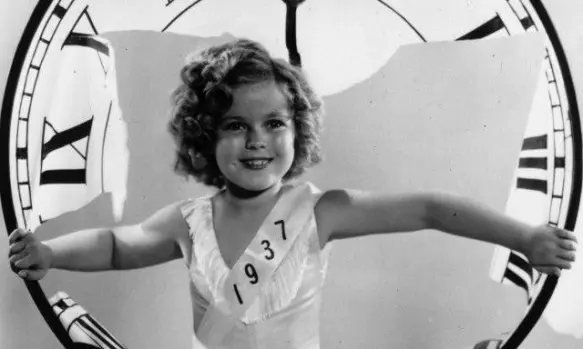
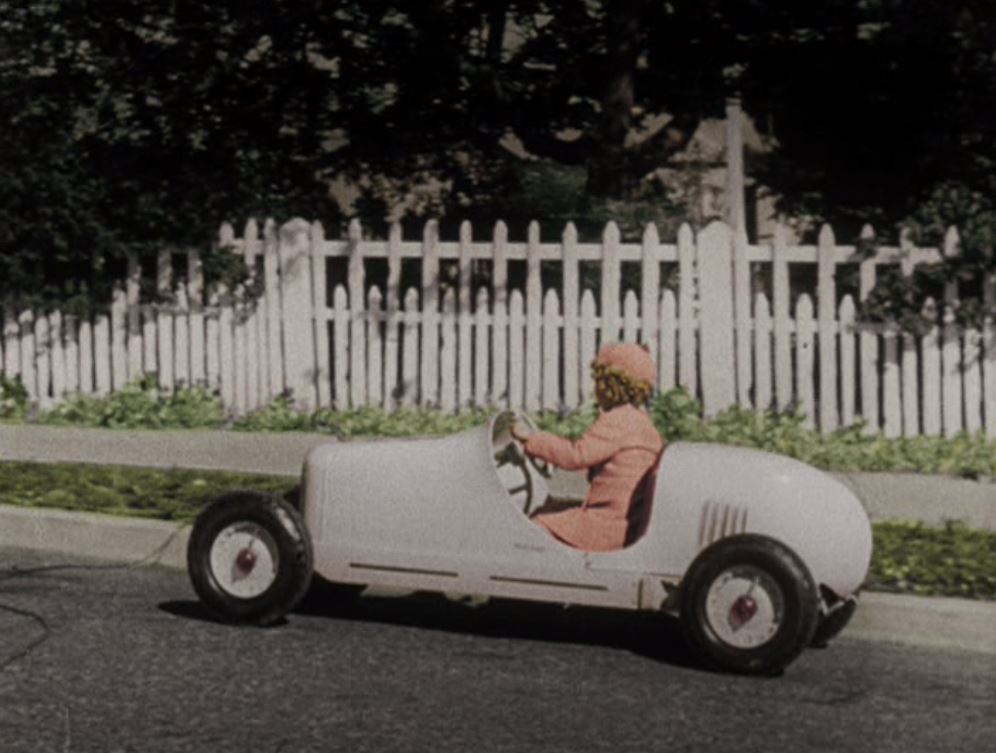
Link to Shirley Temples
Find a Grave