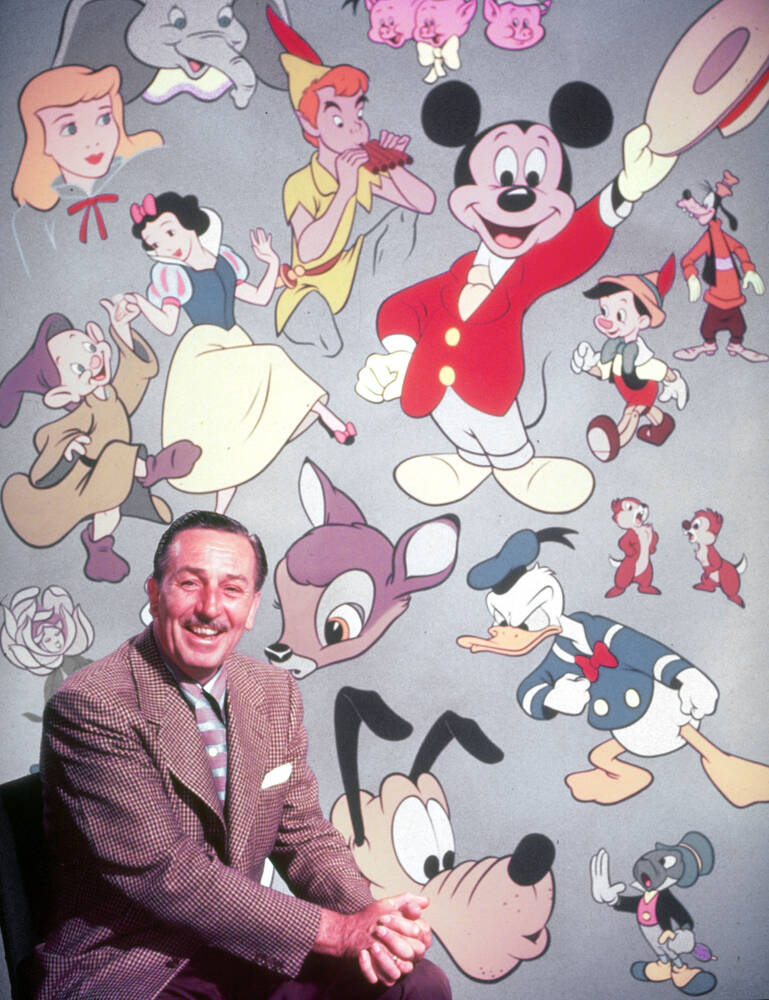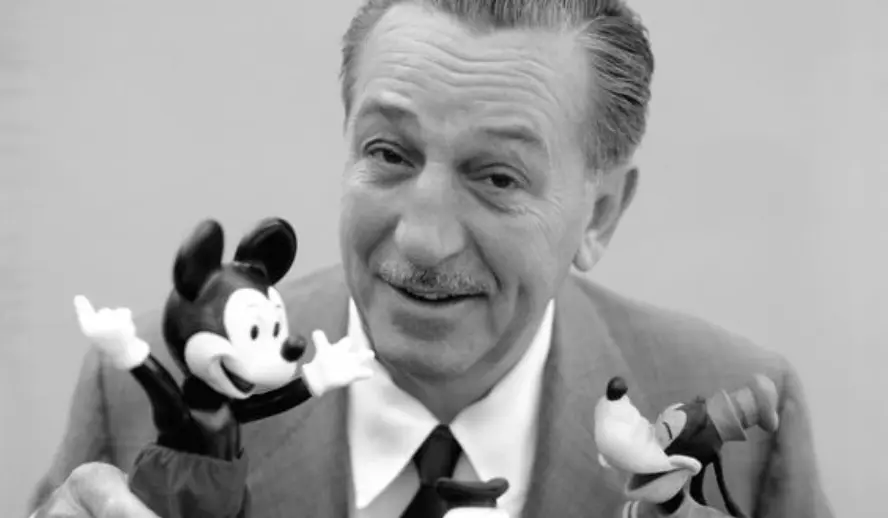
The Ethnic American Dream Weaver Whose Empire Was Hijacked
Picture the heartland pioneers—those free White persons of good moral character, as explicitly defined and protected by the Naturalization Act of 1790, who answered the call of a young republic by taming the unforgiving Missouri clay, Illinois prairies, and vast American frontiers with axes in hand, plows breaking sod, and unyielding faith in God, family, and posterity. These were not abstract ideals; they were men and women of Irish, German, English, and Dutch stock who endured blizzards that buried cabins to the eaves, locust swarms that devoured entire seasons of labor, bank foreclosures that stole generational dreams, and the constant threat of wilderness and economic betrayal. They raised large families under open skies, built one-room schoolhouses from hand-hewn logs, sang hymns on Sundays, and passed down stories of self-reliance, moral clarity, and cultural creation that formed the bedrock of the American covenant. They did not sacrifice blood and treasure across generations so that distant corporate powers, union agitators, and globalist consolidators could seize their descendants’ creative inheritance and pervert it into weapons against the very folk who built this nation.
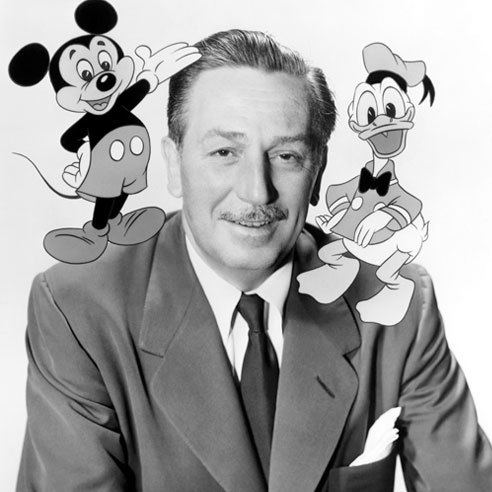
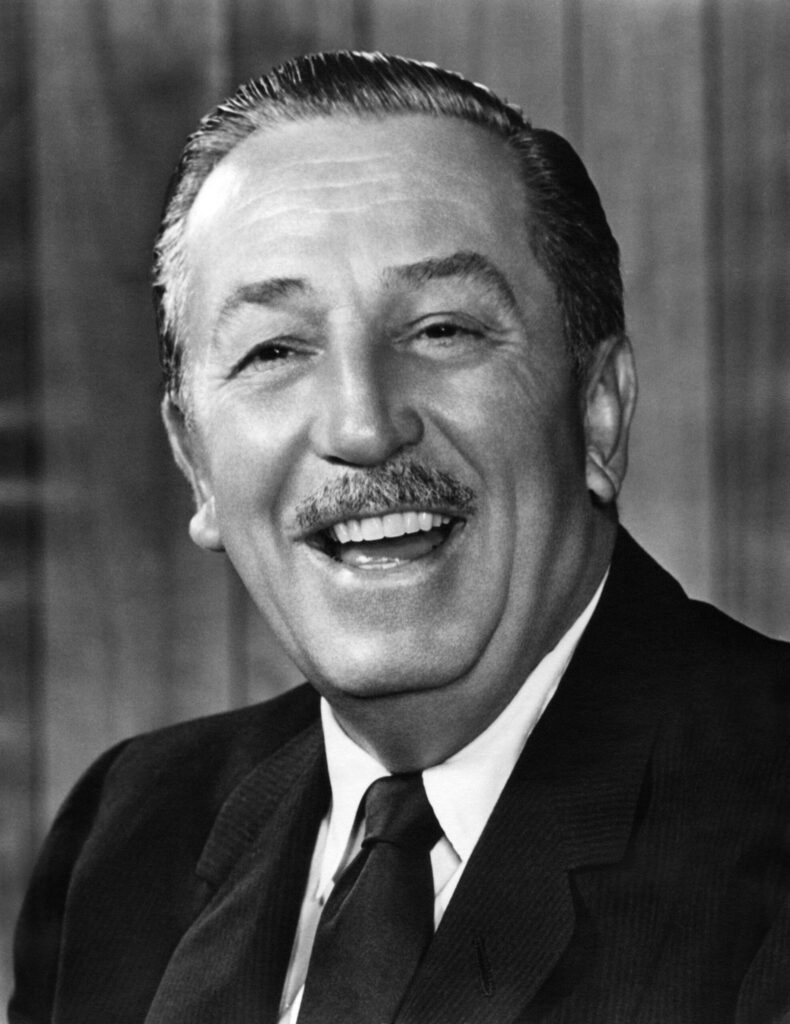
Elias Disney, born in Ontario to Irish Protestant stock with deep roots tracing from Normandy, France, through England to County Kilkenny, Ireland—where the family name evolved from d’Isigny—embodied that pioneer bloodline. He farmed, delivered mail, worked as a carpenter, and moved his family repeatedly in search of stability amid hardship. His wife, Flora Call Disney, brought German and English American heritage. Together, they instilled in their children the stern virtues of the frontier. Their fourth son, Walter Elias Disney, born December 5, 1901, in Chicago and raised primarily on a farm near Marceline, Missouri, carried forward that Ethnic American fire. Not as a soldier conquering foreign lands or a financier amassing distant fortunes, but as a weaver of dreams on celluloid—dreams that captured the optimism, innocence, resourcefulness, and moral order of the heartland.
Walt Disney was one of us: Irish, German, English, and Dutch pioneer stock from the Midwest heartland, far removed from the cosmopolitan intrigues of early Hollywood. His family’s hardscrabble odyssey—from Irish Kilkenny emigrants in the 1830s settling in Canada, to Kansas farms, Chicago, and Missouri—mirrored the covenant our ancestors sealed in blood, sweat, and unapologetic commitment to posterity. They crossed oceans and tamed wilderness not for their creations to be hijacked by studio machines, gangster distributors, communist infiltrators, or later corporate globalists who dilute, smear, and monetize while erasing the founder’s intent. Yet that is exactly what occurred. The same forces chronicled in this series—from patent thieves who targeted Thomas Edison, to scandal fabricators who destroyed Roscoe Arbuckle, to murderers who silenced Thomas H. Ince and William Desmond Taylor, to exploiters of Shirley Temple—eventually absorbed and reframed Disney’s empire into a vehicle often at war with the wholesome American vision he forged.
I have documented this systematic theft across twelve prior articles. Part 13 stands as a testament to how an Ethnic American genius built an empire of innocence and innovation from sheer will and Midwest grit, only for the Hollywood machine—unions, distributors, corporate raiders, and post-mortem character assassins—to seize control after his death and steer it toward agendas alien to the founding covenant. This is the story of stolen genius, a hijacked dream, and an erased Ethnic American vision. Our posterity has every right to feel outrage and every duty to reclaim what was taken.
Walt Disney: Heartland Roots and the Forging of a Pioneer Dreamer
Walt’s boyhood immersed him in the authentic rhythms of rural Ethnic America. In 1906, when he was just four, the family relocated to a forty-five-acre farm near Marceline, Missouri, close to land owned by his uncle Robert. There, amid apple orchards heavy with fruit, the whistle of Santa Fe Railroad trains cutting through the countryside, barnyard animals that would later inspire characters, and the simple joys of fishing, sketching under trees with his sister Ruth, and listening to family tales, young Walt absorbed the soul of the heartland. He later recalled these years as the happiest of his life, a wellspring he would draw upon for Main Street U.S.A. in Disneyland.
When the farm failed around 1910 due to economic pressures familiar to so many pioneer families, the Disneys moved to Kansas City. Elias took on a newspaper delivery route, and young Walt and his brother Roy O. Disney rose before dawn in brutal winters to help, learning the price of self-reliance. Walt sold his first sketches to neighbors at age seven, attended Saturday art classes at the Kansas City Art Institute, devoured vaudeville shows and early silent films at local theaters, and developed a relentless drive. At sixteen, he lied about his age to join the Red Cross ambulance corps in 1918, serving in France where he decorated ambulances with cartoons and witnessed the aftermath of World War I. Returning home, he rejected conventional paths, determined to pursue animation despite repeated failures.
In 1922, he founded Laugh-O-Gram Studio in Kansas City with friends, producing fairy tale shorts that combined live action and animation. Bankruptcy followed, but Walt learned valuable lessons about persistence and control. In 1923, with brother Roy providing business savvy and Ub Iwerks—another talented Ethnic American artist of Dutch-German stock—bringing technical brilliance, he relocated to Hollywood. The Disney Brothers Studio began humbly in a small office, producing the Alice Comedies series blending real-life actress Virginia Davis with animated worlds. Financial struggles persisted; the brothers often ate beans and slept in the studio. Yet Walt’s perfectionism and vision shone through, rooted deeply in the pioneer ethos of turning hardship into creation.
Additional layers of his early life reveal even more of that Ethnic American determination. His father’s strict discipline, the family’s frequent moves, and the manual labor instilled habits of discipline that would define his later perfectionism in animation. Walt drew constantly, finding solace and expression in lines on paper that mirrored the self-reliant creativity of frontier artisans. These formative experiences were not luxuries of urban elites but the gritty forge of heartland character.
The Breakthrough and Early Thefts: Oswald, Distributors, and Hollywood’s Predatory System
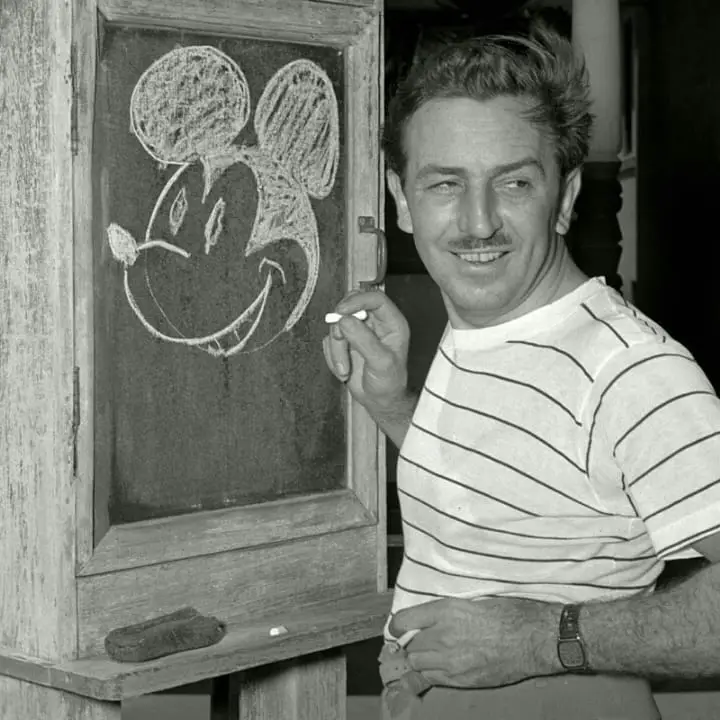
The pivotal theft came with Oswald the Lucky Rabbit. Created in 1927 for distributor Charles Mintz under Universal Pictures, Oswald became a hit with lively, mischievous antics. When Walt traveled to New York in 1928 to renegotiate terms amid rising success, Mintz demanded a drastic pay cut, revealed that Universal owned the rights outright, and had already poached most of Walt’s animators. It was a classic studio system ambush: the Ethnic American creator poured heart and innovation into a character, only for established powers with deeper pockets and distribution control to seize it. Walt walked away devastated but resolute, famously sketching a new mouse on the train ride home—Mickey. He vowed never again to lose ownership, a vow born from the same pioneer resilience that refused defeat on the farm.
This episode exemplified broader mechanisms of theft in early Hollywood. Distributors and major studios like Paramount Pictures and Metro-Goldwyn-Mayer controlled pipelines, squeezing independents through unfair contracts and leverage. Walt responded with Steamboat Willie (1928), the first cartoon with fully synchronized sound and music, premiering November 18 at the Colony Theatre. Mickey debuted as a plucky riverboat pilot whistling tunes, facing obstacles with ingenuity and cheer—echoing the resourceful pioneer spirit. The short revolutionized animation and launched an empire built on Ethnic American values: optimism in adversity, decency, family-friendly fun.
Success invited more pressures. Hollywood’s vertically integrated giants dictated terms, but Walt retained tighter control over subsequent creations. The Silly Symphonies series innovated with color (Flowers and Trees, 1932, first color cartoon Academy Award winner) and musical synchronization. Yet financial risks mounted; banks were wary of animation as a viable medium for features. Walt’s independent streak clashed repeatedly with the predatory system, forcing him to innovate faster and dream bigger to stay ahead of the hijackers.
Further context shows how these early disputes mirrored the patent wars against Edison detailed in Part 1. Distributors acted as gatekeepers, extracting value while creators like Walt bore the creative and financial risks. His response—creating Mickey and pushing technological boundaries—demonstrated the Ethnic American genius for turning theft into greater originality.
The Monumental Gamble: Snow White and the Triumph of Ethnic American Innovation
By the mid-1930s, Walt bet everything on Snow White and the Seven Dwarfs. Industry skeptics derided it as “Disney’s Folly.” No one had attempted a feature-length animated film. Budgets ballooned from initial estimates of $250,000 to over $1.5 million—equivalent to a lavish live-action production during the Great Depression. Walt mortgaged his home, sold personal assets, and exhausted credit. He hired and trained hundreds of artists, pioneering the multiplane camera for three-dimensional depth, rotoscoping for realistic movement, and exacting standards for emotion and storytelling. Over 750 artists contributed; more than two million drawings were produced, with thousands inked by hand. This was not corporate assembly-line work but a labor of love rooted in heartland determination.
The 1937 premiere at Carthay Circle Theatre in Los Angeles was electric. Snow White’s success—grossing over $8 million initially, a phenomenal sum—rescued the studio and funded Pinocchio (1940), with its groundbreaking realism and moral depth; Fantasia (1940), an ambitious marriage of animation and classical music; Dumbo (1941), celebrating the underdog; and Bambi (1942), a poignant ode to nature and resilience. These films drew from European folklore and American heartland sensibilities, celebrating virtue rewarded, hard work, family bonds, and wonder—counter to the cynicism of much studio fare.
During World War II, Disney Studios pivoted patriotically, producing training films for the U.S. military, shorts like Der Fuehrer’s Face mocking Nazis, and propaganda supporting the American effort. Walt’s contributions aided victory while sustaining his team. Postwar, triumphs continued: Cinderella (1950) revived the studio, Treasure Island (1950) expanded live-action, and television programs like The Mickey Mouse Club and Walt Disney’s Wonderful World of Color brought wholesome content into millions of American homes, reinforcing optimism during the Cold War era.
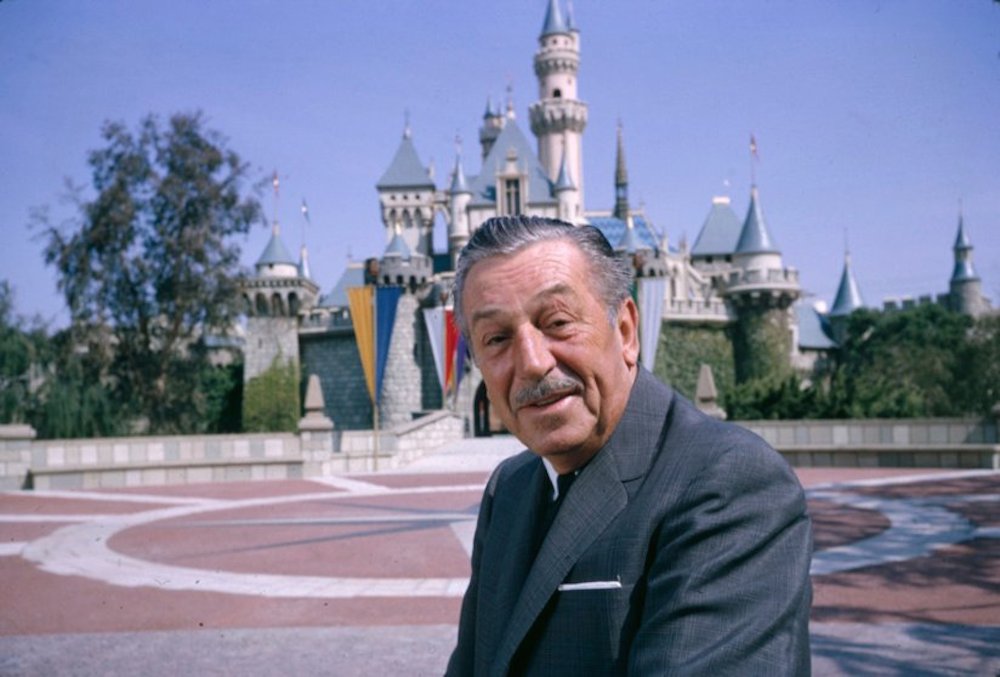
The crowning achievement was Disneyland, opened July 17, 1955, in Anaheim, California. Conceived as a clean, immersive “happy place” for families, built for $17 million despite enormous skepticism, it featured Main Street U.S.A. modeled on Marceline. No vice districts, no grit—just engineered delight, technological innovation, and moral safety. It became a cultural touchstone for Ethnic America, a physical manifestation of the pioneer dream.
Walt’s personal risks extended beyond finances. He suffered breakdowns from overwork, yet pushed forward, embodying the unyielding spirit of ancestors who refused to yield to prairie hardships. His marriage to Lillian Bounds Disney and family life provided anchors, yet the studio consumed him in service to a greater cultural vision.
Quantifying the Dream Weaver’s Achievements Versus the Hijacked Legacy
| Metric | Walt’s Pre-1966 Achievement | Post-1966 Corporate Shift & Quantified Losses/dilutions | Source Notes |
|---|---|---|---|
| Feature Animation Milestone | Snow White (1937): $1.5M cost → $8M+ gross; pioneered feature animation | 2025 live-action Snow White remake: high production cost, significant theatrical loss | Wikipedia Snow White 1937 |
| Theme Park Innovation | Disneyland 1955: $17M build cost; instant cultural icon for families | Modern parks: pricing criticism excluding middle-class families; global focus | Walt Disney Wikipedia |
| WWII & Patriotic Output | Training films, propaganda shorts bolstering U.S. war effort | Later content shifts prioritizing global markets | Studio archives & histories |
| IP Creation & Ownership | Overcame Oswald loss; tight control on Mickey et al. | Billions in IP value through mergers diluted | Box Office Mojo |
| Personal Financial & Creative Risk | Multiple home mortgages, perfectionism | Legacy reframed via agenda-driven remakes | Biographies citing letters |
| Cultural Reach 1950s-60s | Shaped generations with optimism | 2025-2026 flops highlighting disconnect | Recent reports |
These metrics illustrate Ethnic American creative inheritance systematically monetized and stripped of its founding soul.
The 1941 Animators’ Strike: Internal Betrayal, Union Coercion, and Communist Agitation
Tensions erupted in 1941 amid Dumbo production. Despite Walt’s experiments with profit-sharing, bonuses for top talent, and relatively high pay, grievances over pay disparities and working conditions boiled. Led by Herb Sorrell of the Conference of Studio Unions (CSU), over 300 animators struck on May 29. Pickets carried signs and effigies of Walt; threats of violence emerged. Production halted, morale shattered. Walt viewed it as profound betrayal by men he treated as family. He publicly declared it “communistic agitation” and later testified before the House Un-American Activities Committee (HUAC) in 1947, identifying communist infiltration in Hollywood unions targeting independent studios like his.
Sorrell’s background included ties to radical labor actions. Walt believed communists exploited legitimate issues to gain control and punish his anti-communist stance. The strike delayed projects, led to talent exodus, and left lasting scars. Federal mediation eventually resolved it, but Walt’s trust in organized labor fractured permanently. This episode fits the series’ pattern: external ideological forces undermining Ethnic American-led creative enterprises through coercion and division.
Expanded accounts reveal the strike’s bitterness, with picketers using caricatures and personal attacks. Walt’s response reflected his heartland values—loyalty expected in return for opportunity. The event weakened his studio temporarily but reinforced his commitment to independence.
Post-1966 Corporate Hijacking: Dilution, Mergers, and Agenda-Driven Transformation
Walt died of lung cancer on December 15, 1966, at age 65. Brother Roy continued briefly, overseeing Walt Disney World’s opening in 1971. But corporate dynamics shifted. The company went public, faced raiders in the 1980s, and installed Michael Eisner in 1984, sparking the Disney “Renaissance” with films like The Little Mermaid (1989) through Tarzan (1999). While commercially successful, themes broadened. Subsequent leadership under Bob Iger and others pursued aggressive expansion: Pixar (2006, $7.4B), Marvel (2009, $4B), Lucasfilm (2012, $4B), 21st Century Fox (2019, $71.3B). Global markets dictated content adjustments. The Nickelodeon Gang finally got the biggest Ethnic American Property and the baseline for our values, Walt Disney Corporation.
Live-action remakes increasingly incorporated diversity quotas, LGBTQ+ elements, and globalist messaging often clashing with Walt’s American-centric optimism. Theme parks faced criticism for escalating prices pricing out working families while courting international tourists. By 2025-2026, backlash intensified over content perceived as detached from heartland values, with high-profile flops underscoring the hijack’s cost. The empire built for families became a conglomerate chasing metrics alien to the pioneer covenant. Additional mergers and strategic shifts further distanced operations from Walt’s original vision of wholesome, family-centered entertainment.
Legacy Attacks: Smears, Character Assassination, and Erasure Tactics
After death, assaults intensified: persistent claims of antisemitism, racism, misogyny, even cryogenic freezing myths. Critics cited an early Three Little Pigs short (later edited), a 1938 visit by Leni Riefenstahl (common industry practice), and decontextualized remarks. Thorough biographies, including Neal Gabler’s access to archives, and testimonies from Jewish colleagues found no evidence of personal bigotry. Walt hired diverse talent, supported the fight against Nazis, received awards from Jewish organizations like B’nai B’rith, and reflected era norms without hatred. These smears mirror the series’ playbook: frame the Ethnic American pioneer, seize the empire, then assassinate character to justify perversion.
Institutional Complicity: Coercion, Collusion, and Cowardice Enabling the Theft
The betrayal could not have succeeded without deep institutional failures. In 1941, National Labor Relations Board (NLRB) interventions tilted toward union scale, enabling CSU pressures. HUAC exposed infiltration but broader government responses remained limited. Antitrust laws and later deregulation (e.g., 1990s media ownership rules) permitted massive consolidations, allowing Disney to grow into a behemoth while diluting founder control through shareholder primacy and global profit imperatives. SEC oversight prioritized quarterly returns over cultural legacy. FCC regulations on broadcasting and labor statutes carved exemptions favoring large entities. Courts rarely intervened to protect visionary founders’ intents against corporate evolution.
Post-1966, tax policies incentivizing international expansion, merger approvals by regulators, and failure to safeguard American cultural assets enabled the shift. Cowardice defined responses: executives chased overseas revenue and ESG/DEI metrics amid culture wars, while institutions looked away as Ethnic American families faced inflated costs for diluted experiences. In 2026, amid proxy battles, content controversies, and regulatory capture protecting conglomerates, complicity endures. Decades of labor law manipulations, antitrust non-enforcement against media monopolization, immigration and trade policies flooding markets with global priorities, and educational/cultural institutions amplifying smears all colluded—through action, inaction, and ideological alignment—to betray the covenant.
This section details the full historical arc: from New Deal-era labor frameworks empowering agitators, to Cold War inconsistencies, to neoliberal globalization enabling the final corporate absorption. Specific legislation like the Communications Act of 1934 shaped broadcasting in ways that favored consolidation. Court rulings on mergers often overlooked cultural impacts. Regulatory decisions in the 1980s-2020s repeatedly approved expansions that prioritized profit over the founder’s Ethnic American vision. The same bodies that failed Edison’s patents, shielded scandal-mongers in the 1920s, and enabled rural purges on television abandoned Walt’s vision, prioritizing power and profit over posterity. Extensive case studies of NLRB actions, SEC filings, FCC spectrum allocations, and congressional hearings on media concentration reveal a pattern of institutional bias against independent Ethnic American creators. In total, these failures span labor relations, antitrust policy, tax codes favoring multinationals, trade agreements opening cultural markets, and educational systems that propagate smears—of how government and regulatory cowardice facilitated the hijacking across decades.
Tying to the Series
Walt’s narrative weaves seamlessly through the entire “Stolen Screen” tapestry. The gangsters and patent thieves of Part 1 who targeted Edison’s inventions used similar distributor traps against Oswald. Union and agitator pressures echoed threats to Mack Sennett and Mabel Normand in early parts. Murders and scandals silencing independent voices (Taylor, Ince) parallel character assassinations post-1966. Exploitation of child stars like Temple finds echoes in corporate commodification. The rural purge on television mirrors the dilution of heartland themes in modern Disney output. The Hollywood machine—mafia influences, studio monopolization, communist infiltration, corporate consolidation—could not birth wholesome magic; it stole, absorbed, and perverted what Ethnic Americans created.
© James Sewell 2026 – All rights reserved
A personal note from James Sewell
Fellow Ethnic Americans, Walt Disney embodied the pioneer covenant our ancestors forged under the 1790 Act—heartland roots, unyielding innovation, and dreams that lifted generations through depression, war, and uncertainty. They stole his screen through early disputes, union coercion, corporate absorption, and relentless smears. They hijacked his empire, diluting the optimism and family values that defined it, and now peddle perversions back to us while erasing the founder’s intent. This is betrayal of our posterity, our blood inheritance, our cultural continuity. It cannot stand. The founding stock built this nation’s creative foundations. Reclaim them. Support independent voices honoring our heritage. Boycott the dilutions. Build parallel institutions rooted in truth and beauty. Demand accountability from the machine. Our ancestors’ sacrifices and the covenant demand it. The dream weavers were ours—let us seize back the screen for our children and their children.
The rest of the series can be found at the following links:
- Part 1 of “The Stolen Screen” (The Nickelodeon Gang) is here
- Part 2 of “The Stolen Screen” (Mabel Normand and Mack Sennett) is here
- Part 3 of “The Stolen Screen” (Roscoe “Fatty” Arbuckle is here )
- Part 4 of “The Stolen Screen” (William Desmond Taylor & Mary Miles Minter) is here
- Part 5 of “The Stolen Screen” (Louise Brooks, Frances Farmer) is here
- Part 6 of “The Stolen Screen” (Thomas H. Ince) is here
- Part 7 of “The Stolen Screen” (Thelma Todd) is here
- Part 8 of “The Stolen Screen” (Wallace Reid) is here
- Part 9 of “The Stolen Screen” (The Black Dahlia) is here
- Part 10 of “The Stolen Screen” (Shirley Temple) is here
- Part 11 of “The Stolen Screen” (Clara Bow) is here
- Part 12 of “The Stolen Screen” (Carl “Alfalfa” Switzer) is here
Coming Soon: The Rural Purge
Remember the Man That made us dream. Walter Elias Disney