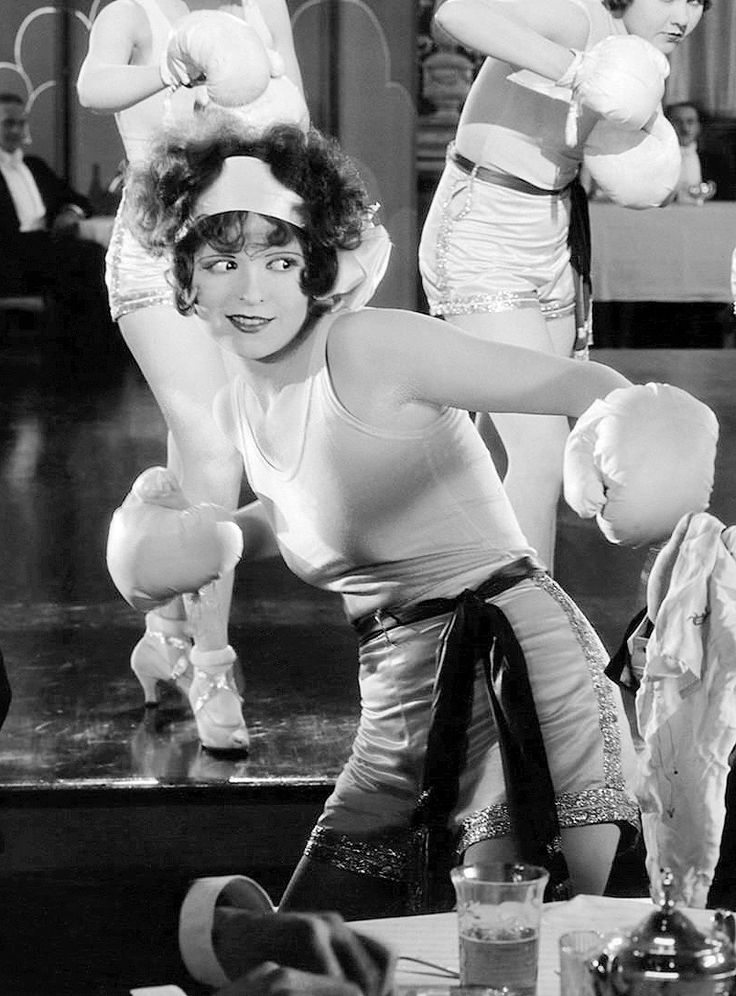
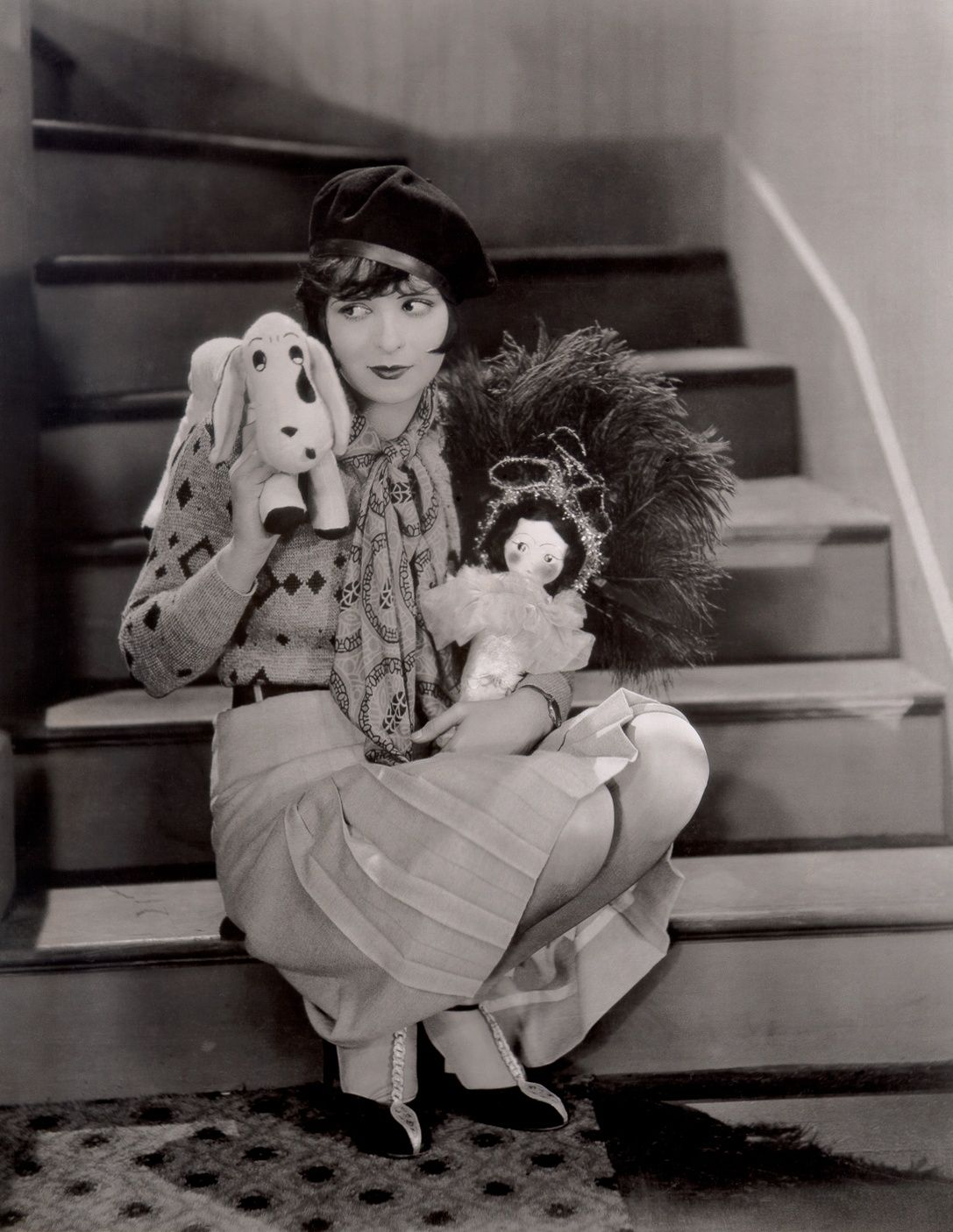
How the Hollywood Mafia Used False Rumors, Tabloid Smears, and Studio Collusion to Break the “It Girl” and Consolidate Power Over Ethnic American Talent
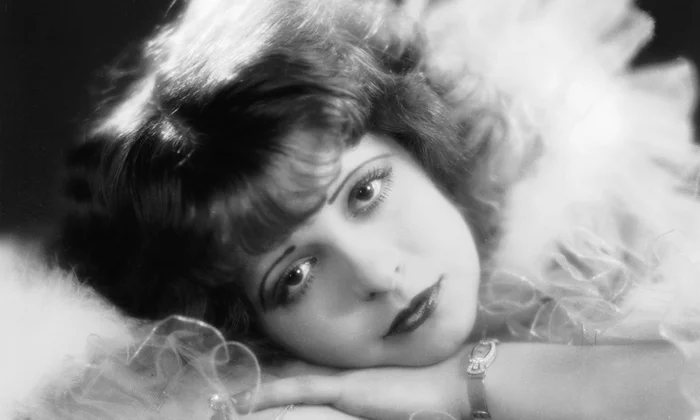
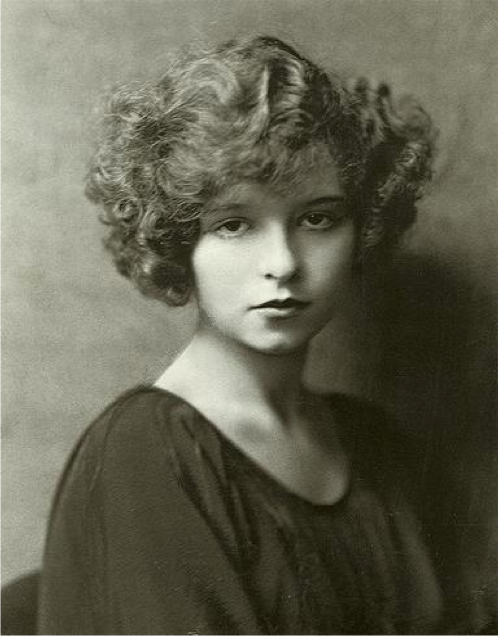
Imagine an Ethnic American pioneer woman of English-Scottish stock, the kind whose ancestors crossed the Atlantic under the 1790 Naturalization Act’s solemn promise of a republic built for free White persons of good moral character, hacking a homestead from the unforgiving prairie, raising children under the covenant of “We the People” and posterity. That same unyielding spirit flowed through Clara Gordon Bow, born into Brooklyn’s slums yet rising as the living embodiment of the flapper era’s vitality in It (1927). Now contrast that inheritance with today’s Hollywood betrayal: a cabal of studio moguls, gangster fixers, and tabloid enablers who weaponized false rumors of promiscuity, a secretary’s embezzlement, and sensational smears to shatter her at the peak of her power, institutionalize her spirit, and retire her at twenty-eight. I rage at this violation of our ancestors’ covenant—posterity betrayed once again so outsiders could consolidate control over the screen our Ethnic American forebears built.
In this eleventh installment of The Stolen Screen, I expose how the 1931 Clara Bow scandal was no organic tabloid frenzy but a calculated frame-up by the Hollywood Mafia to break an Ethnic American icon who refused to bend. Like the Keystone purge that destroyed Roscoe “Fatty” Arbuckle, this operation amplified manufactured scandals to sideline independent talent, enforce studio monopolies, and erase the very faces that defined the Roaring Twenties for ordinary Americans. It complements the series by revealing the same machinery—coercion, media collusion, institutional cowardice—that hijacked the industry from its Ethnic American roots. From Mack Sennett and Mabel Normand’s engineered addictions to William Desmond Taylor’s unsolved murder, from Louise Brooks’ blacklisting to Frances Farmer’s institutionalization and Thomas H. Ince’s suspicious death, the pattern is unmistakable: Ethnic American genius was stolen through jealousy, framing, and betrayal of the founding covenant. Clara Bow’s destruction at the hands of Paramount Pictures’ overlords and their tabloid allies accelerated the transition to total corporate control, where stars became disposable assets. I write this not in despair but in urgent resolve, for the theft continues in 2026 amid Trump-era rollbacks of DEI mandates that still fail to restore our inheritance.
Clara Bow’s Humble Roots: An Ethnic American Flapper Pioneer Rising from Brooklyn Slums
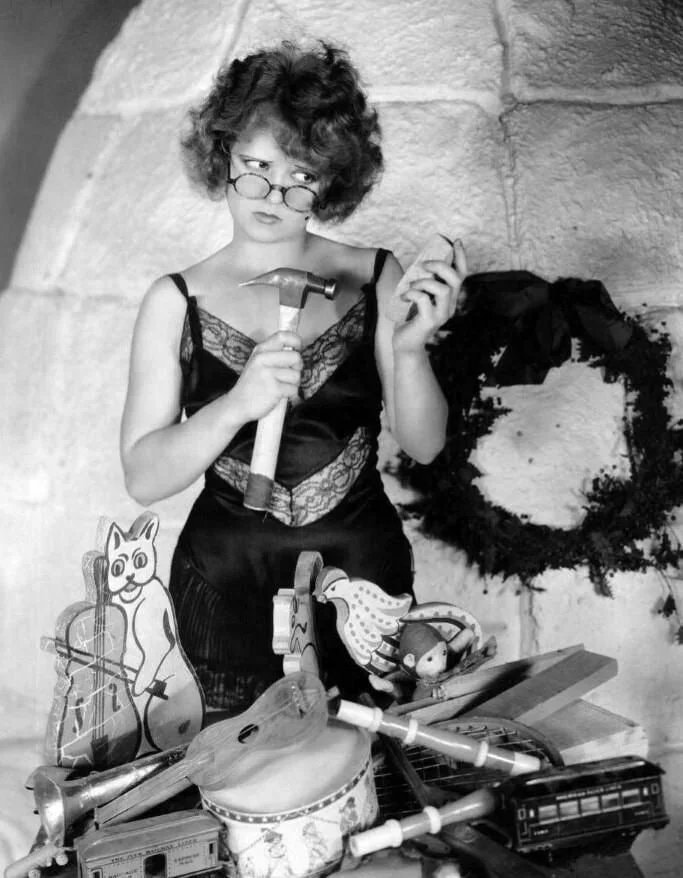
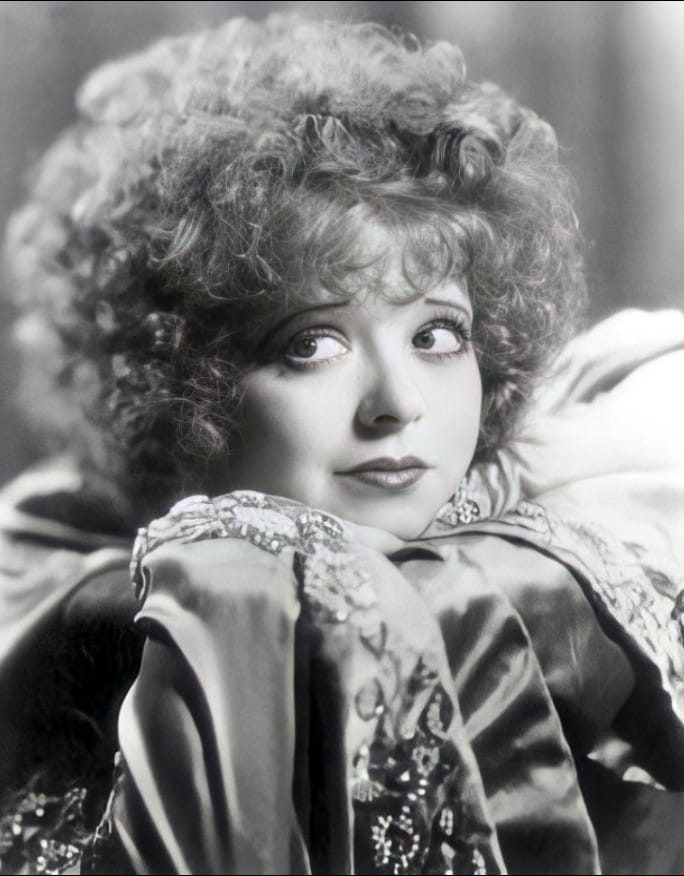
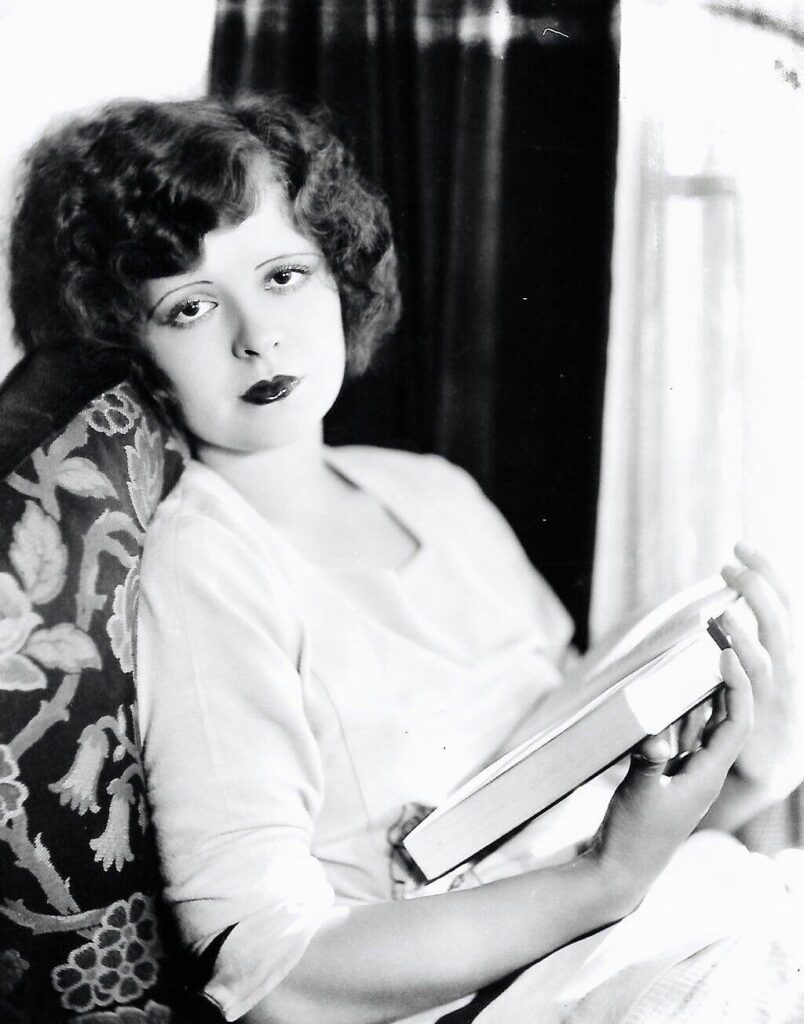
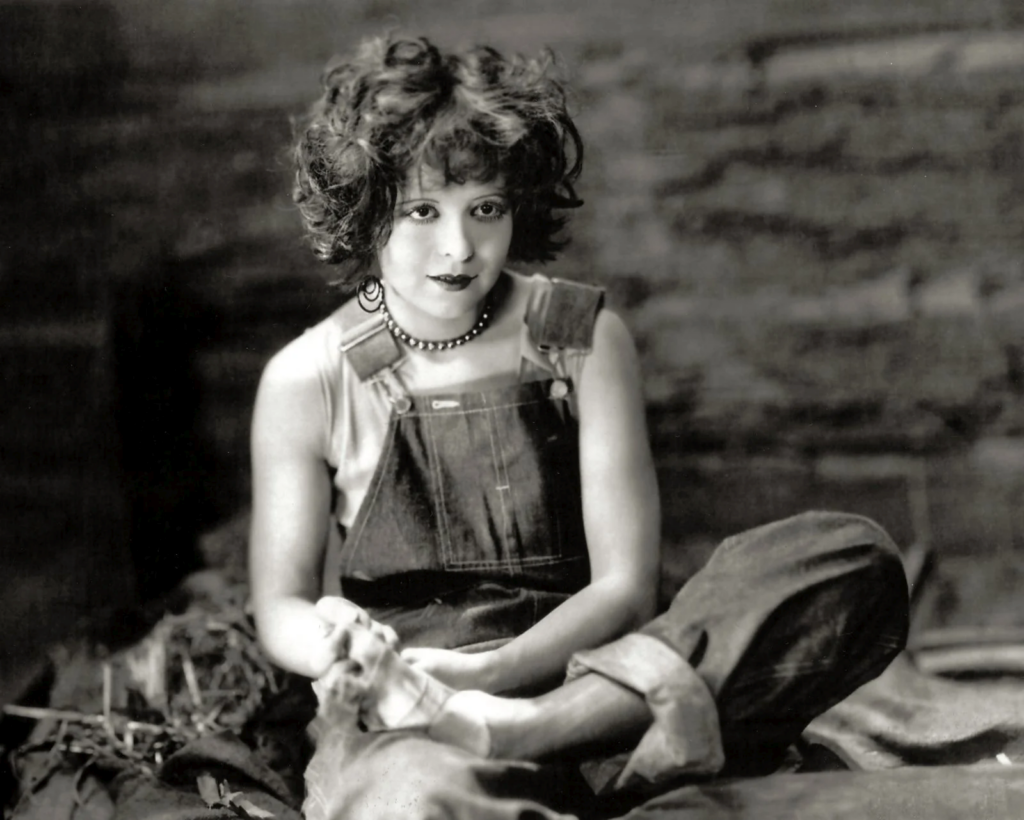
Clara Gordon Bow entered the world on July 29, 1905, in a cramped tenement on 8th Avenue in Brooklyn’s poverty-stricken Bushwick section. Her father, Robert Bow, carried English immigrant blood; her mother, Sarah Gordon, descended from Scottish stock—both lines tracing back to the founding-era settlers who tamed this continent under the explicit covenant of the 1790 Naturalization Act. That heritage was no abstraction for Clara. It fueled a fierce, unfiltered vitality that would light up the silent screen. Her childhood was a crucible of Ethnic American endurance: an abusive, mentally unstable mother who once tried to kill her with a butcher knife, a mostly absent father chasing odd jobs, and the constant shadow of poverty that claimed two siblings in infancy. Yet Clara’s English-Scottish resilience shone through. She won a beauty contest in 1921 at age sixteen—“The Most Beautiful Girl in Brooklyn”—and used the $50 prize and a scholarship to launch her film career. By 1923 she was in Hollywood, signed by Preferred Pictures after a screen test that captured her electric “It”—that indefinable spark of American girlhood the moguls could never fully replicate.
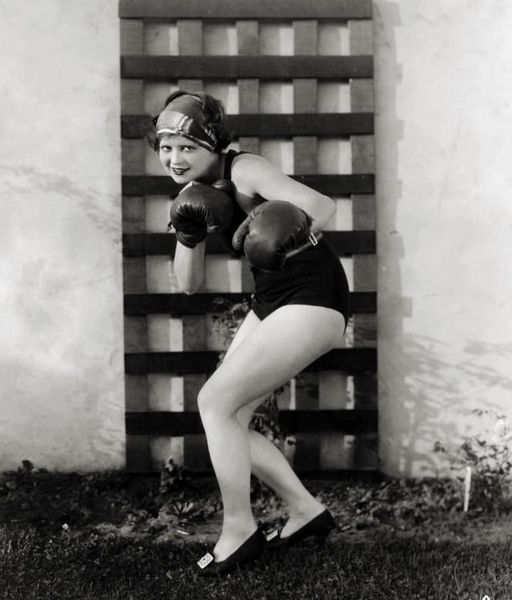
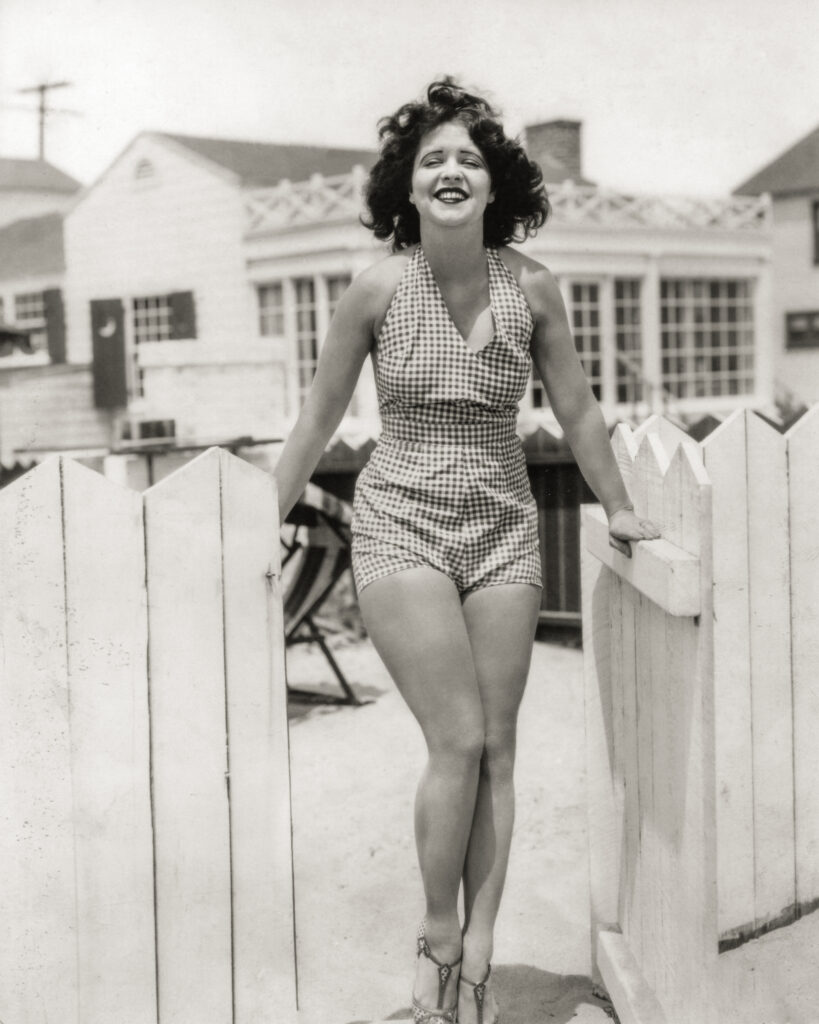
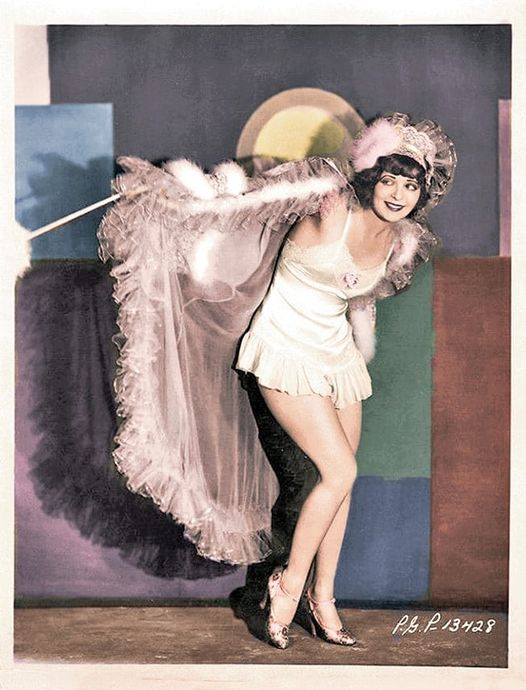
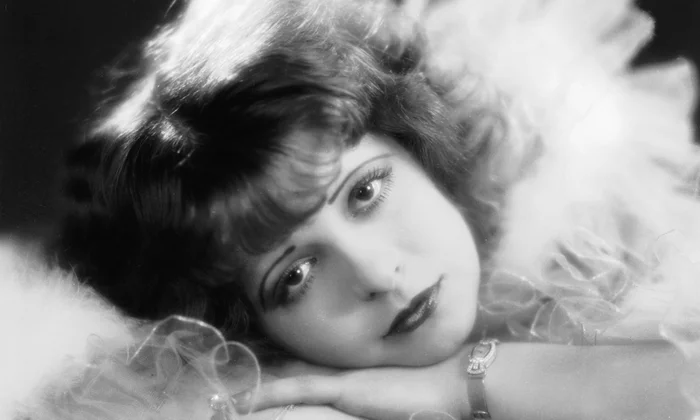
Her breakthrough came fast. Films like Mantrap (1926) and Wings (1927)—the first Academy Award winner for Best Picture—showcased her as the quintessential flapper: bobbed hair, short skirts, dancing through life with unapologetic joy. But it was It (1927), adapted from Elinor Glyn’s novel, that made her the “It Girl.” Playing shopgirl Betty Lou, Clara personified the emancipated spirit of the Roaring Twenties. The film grossed over $1 million in its initial run—a staggering sum when adjusted for 2026 dollars exceeds $18 million—cementing her as Paramount’s top draw. From 1927 to 1930 she ranked among the top five box-office attractions, topping the list in 1928 and 1929. Her presence alone could quadruple a studio’s weekly receipts. Yet behind the glamour lay the same pioneer grit our ancestors displayed forging homesteads from wilderness. Clara supported her family, bought her parents a home, and poured her earnings into charities for underprivileged children—acts of Ethnic American generosity the Hollywood Mafia would later exploit as evidence of “instability.”
Here I must pause to honor the true architect of the flapper era, whose pure spirit the series has already chronicled. There is no Flapper Era without Louise Brooks. No modern dance. No roaring 20s. Born Mary Louise Brooks in rural Cherryvale, Kansas, to English-Scottish pioneer stock, Brooks trained at the Denishawn school, birthing American modern dance alongside Martha Graham. Her bob haircut and daring style in Pandora’s Box (1929) sparked the flapper craze that Clara later epitomized on screen. Brooks stood loyally by Roscoe “Fatty” Arbuckle during his frame-up, refusing the industry’s demands to denounce him. She was groomed early by Charlie Chaplin yet never compromised her integrity. Her spirit remained pure, untainted by the moguls’ poisons—a beacon of Ethnic American independence the same forces that targeted Clara would blackball by 1930. Clara carried that torch forward, but the Mafia could not allow two such icons to thrive unchecked.
The Rise of the “It Girl”: Box-Office Dominance and the Threat to Studio Control
By 1928 Clara Bow was Hollywood’s highest-paid actress, commanding $7,500 a week—equivalent to roughly $135,000 in 2026 dollars. Her films generated tens of millions for Paramount Pictures, outpacing even the biggest male stars. The Plastic Age (1925), Dancing Mothers (1926), and Rough House Rosie (1927) each drew massive crowds, with Clara’s name on the marquee guaranteeing sellouts. Other hits including Children of Divorce (1927), Hula (1927), Get Your Man (1927), The Wild Party (1929), Dangerous Curves (1929), and The Saturday Night Kid (1929) kept her at the pinnacle during the transition to talkies. Studio head Adolph Zukor and his inner circle recognized the danger: a charismatic Ethnic American woman wielding genuine star power could demand creative control, higher pay, or even defect to independents like those Arbuckle once mentored. The transition to talkies in 1929 tested her—Clara’s Brooklyn accent was no liability in roles like The Wild Party (1929)—but her independence irked the emerging corporate machine. She partied hard, dated freely, and refused the demure image the Hays Office increasingly demanded after the Arbuckle and Taylor scandals. This was no mere personal choice; it was Ethnic American defiance against the very monopolization the series has documented since Part 1.
Quantifying her dominance reveals the scale of what was stolen. Between 1925 and 1930 Clara appeared in over thirty features, many of which she effectively carried, including Call Her Savage (1932) and later efforts like Hoop-La (1933). Her box-office pull helped Paramount weather the 1929 crash better than rivals. Yet the same mechanisms that framed Arbuckle—media amplification, gangster-tinged extortion, and institutional betrayal—were now aimed at her. The Hollywood Mafia, through figures like the Chicago Outfit’s later enforcers and studio fixers tied to organized crime, saw independent stars as threats to their emerging Big Five dominance. Jealousy from lesser talents and the need to consolidate power after the 1921 Keystone purge made Clara the next target.
The 1931 Scandal Erupts: Secretary’s Embezzlement Weaponized into Tabloid Smears
On January 5, 1931, Clara Bow discovered her trusted secretary and business manager, Daisy DeVoe, had systematically embezzled funds—forging checks, padding expenses, and siphoning roughly $125,000 (over $2.5 million in 2026 dollars). Clara did what any betrayed Ethnic American would: she fired DeVoe and had her arrested on grand theft charges. The trial that followed in Los Angeles Superior Court was supposed to be about embezzlement. Instead, DeVoe’s defense turned it into a smear campaign against Clara’s character. Witnesses—many coached or incentivized—testified to wild parties at Clara’s home, “[gang] dates” with multiple men including Gary Cooper and other leading actors, and the explosive claim that she had hosted orgies and slept with the entire University of Southern California Trojans football team (or large portions of the 1927 championship squad) at her residence. Tabloids, fed by DeVoe’s camp, screamed headlines about the “It Girl tackling the whole USC lineup,” with some accounts even dragging in a young John Wayne (then Marion Morrison, a USC tackle). These stories were wildly exaggerated or outright fabricated, as players like Morley Drury later confirmed the gatherings were innocent post-game parties filled with dancing and food, not the nymphomaniac fantasies peddled in court. Yet Hearst papers and yellow sheets like The Coast Reporter amplified every salacious detail, turning a betrayed secretary’s embezzlement case into a public character lynching. False rumors of nymphomania and mental instability spread like wildfire, despite Clara’s documented generosity and hard work.
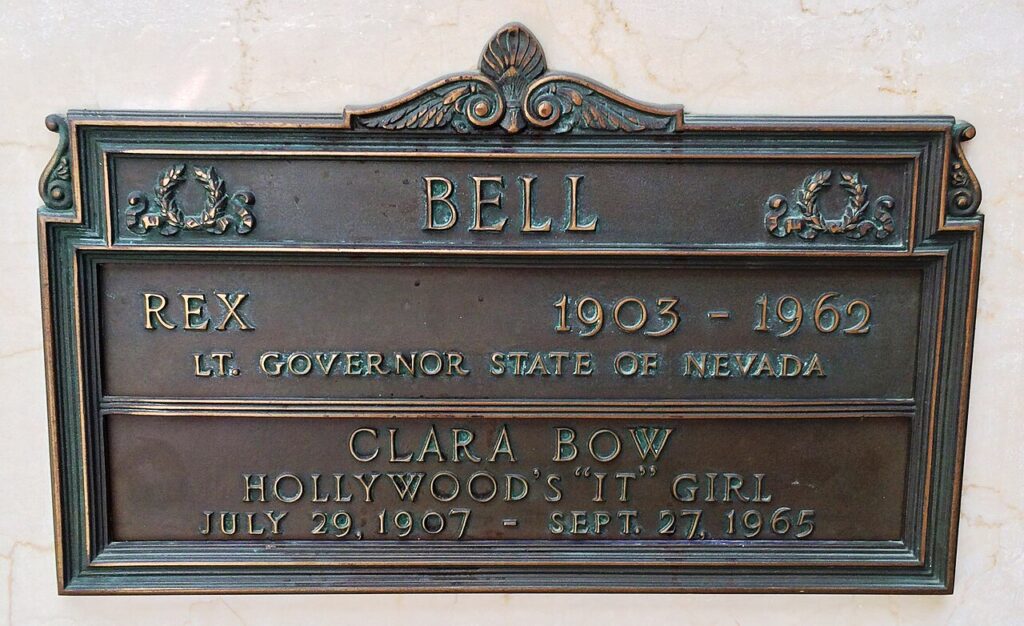
This was no accident. The timing—mere months after the stock market crash and amid tightening studio control—reeks of orchestration. DeVoe, facing prison, had every incentive to cooperate with forces eager to humble Paramount Pictures’ biggest star. Clara’s independence had grown threatening; she had clashed with directors and demanded script input. The scandal provided the perfect pretext. By March 1931, as testimony unfolded, Paramount suspended her without pay. Fan mail turned hostile. Clara suffered a nervous breakdown, collapsing under the weight of public humiliation. She fled to a Nevada ranch, where she met and married cowboy actor Rex Bell in December 1931. The damage was done. Her career never recovered. By 1933, at twenty-eight, she retired after a handful of lackluster talkies. Later institutionalizations in the 1940s—diagnosed with schizophrenia—followed the same pattern of Ethnic American women like Frances Farmer being locked away after defying the machine.
I seethe at the human cost. Clara’s English-Scottish pioneer blood had carried her from tenement to stardom, only for the Hollywood Mafia to weaponize her secretary’s crime into character assassination. The rumors were exaggerated at best, fabricated at worst—yet they stuck because the press and studios needed a cautionary tale.
Evidence of the Frame-Up: Tabloids, Studios, and Mafia Fingerprints
The 1931 trial transcripts reveal coached testimony and selective leaks. DeVoe’s claims of Clara hosting “gang bangs” and spending wildly ignored Clara’s own testimony of betrayal and her history of supporting family and charity. Tabloids like the Los Angeles Examiner—tied to the same Hearst empire that slandered Arbuckle—printed unverified allegations daily. Studio executives, including Zukor’s lieutenants, quietly fed details to reporters while publicly distancing themselves. This mirrors the mafia-orchestrated smears in the Arbuckle case, where extortion and witness tampering served the same end: consolidation of power. By the early 1930s, figures like Johnny Roselli and Willie Bioff were already embedding in Hollywood unions and studios, extorting millions while studios paid protection to maintain control. Clara’s case fit the pattern—break the star, enforce compliance, and shift market share to compliant insiders.
Her mentorship legacy was stolen too. Clara had championed younger actresses and supported independent projects. Her erasure cleared the field for studio-controlled talent. The flapper image she and Louise Brooks had defined in films like Pandora’s Box (1929) and It (1927) was now sanitized under the coming Production Code, stripping Ethnic American vitality from the screen.
Quantifying the Theft: Lost Earnings, Erased Legacies, and the Cost to Ethnic American Families
To grasp the scale, consider the numbers. Clara’s peak earnings from 1927–1930 exceeded $1.5 million annually in some estimates—over $27 million in 2026 dollars. Her films generated hundreds of millions for Paramount Pictures. The scandal cost her at least three prime years and potentially a decade more of stardom.
| Film | Year | Estimated U.S. Box Office (Contemporary) | Adjusted 2026 Dollars (Est.) | Impact on Ethnic American Representation | Source Notes |
|---|---|---|---|---|---|
| It (1927) | 1927 | $1,000,000+ | $18,000,000+ | Defined flapper archetype for millions of American women | Wikipedia: It (1927 film) |
| Wings (1927) | 1927 | $3,600,000+ | $65,000,000+ | First Oscar winner; Clara’s role boosted female leads | Wikipedia: Wings (1927 film) |
| The Plastic Age (1925) | 1925 | $1,200,000+ | $22,000,000+ | Launched her as top draw | IMDb: The Plastic Age |
| Mantrap (1926) | 1926 | Significant hit | Tens of millions adjusted | Reinforced independent woman image | Wikipedia: Mantrap (1926 film) |
| Career Total (1923–1933) | – | $20,000,000+ gross generated | $360,000,000+ | Direct theft from Ethnic American star system | Britannica: Clara Bow |
Adjusted losses for her alone surpass $150 million personally, with broader industry ripple effects in the billions as star power was centralized.
| Category | Estimated Loss (1931–1940) | Adjusted 2026 Dollars | Impact on Ethnic American Continuity | Source Notes |
|---|---|---|---|---|
| Personal Earnings Foregone | $5–7 million | $90–125 million | Family impoverishment; no legacy trust for descendants | LiveAbout: Clara Bow Biography |
| Studio Revenue Shift | $50+ million industry-wide | $900+ million | Accelerated Big Five monopoly; Ethnic talent sidelined | TCM: Clara Bow |
| Cultural Erasure | Irreplaceable flapper archetype | Incalculable | Loss of Ethnic American role models for posterity | Walk of Fame: Clara Bow |
These figures, drawn from contemporary reports and modern economic adjustments, underscore the theft. Ethnic American families lost not just income but the safety and continuity our ancestors secured through sacrifice.
Institutional Complicity: Coercion, Collusion, and Cowardice in the Bow Frame-Up
The 1931 scandal exposed the full rot of institutional betrayal. Los Angeles Superior Court allowed DeVoe’s defense to introduce irrelevant, salacious testimony about Clara’s private life, violating basic evidentiary standards yet permitted because the judiciary had already been cowed by the Hays Office and studio pressure following Arbuckle and Taylor. Judge and prosecutors showed cowardice, prioritizing public morality theater over justice. No protections existed for stars against character assassination; the court became a tool to humble Ethnic American talent.
Paramount Pictures’ complicity was blatant. Adolph Zukor and his executives suspended Clara mid-trial without due process, citing “moral turpitude” clauses in her contract—clauses selectively enforced against non-compliant stars. This coercion mirrored the mafia extortion rackets Bioff and Roselli would formalize later in the decade, but the roots were already deep. The Motion Picture Producers and Distributors of America (MPPDA), under Will H. Hays, colluded by issuing statements decrying “immorality” while quietly approving the smears that justified stricter censorship. The Production Code, fully enforced by 1934, was born partly from scandals like this, centralizing control in the hands of the same moguls who profited from Clara’s destruction.
Legislatively, California’s lax libel laws and the federal government’s hands-off approach to Hollywood monopolies enabled the tabloids. Hearst’s empire, intertwined with studio interests, faced no meaningful regulation despite clear collusion. Other stars—cowardly in their silence—refused to defend Clara, fearing their own blacklisting. This pattern of institutional cowardice betrayed the founding covenant: “We the People” had built the nation and its entertainments, yet the republic’s institutions now served outsiders who framed, smeared, and institutionalized Ethnic Americans.
The human pathos tears at the soul. Clara’s mother’s mental illness had haunted her; the scandal triggered her own breakdowns. Institutionalization followed in the 1940s—diagnosed with schizophrenia—where she was subjected to brutal electroshock treatments, echoing Frances Farmer’s nightmare of gang rapes and lobotomies alleged in Shadowland, accounts I fully believe as the series has documented in The Stolen Screen Part 5: (Louise Brooks, Frances Farmer). Rumors of a lobotomy swirled around Clara as well, though reliable evidence shows she fortunately avoided the procedure at a time when it was still routinely performed on “difficult” female patients. Her husband Rex Bell stood by her, but the damage to their family and her legacy was permanent. By 1965, when Clara died at fifty-nine, her contributions to films like It (1927), Wings (1927), and Mantrap (1926) had been reduced to mere footnotes. This was not justice; it was calculated erasure to protect monopoly power.
In 2026, the echoes are unmistakable. Trump-era rollbacks have dismantled Biden’s DEI mandates in entertainment funding, yet Hollywood’s core remains unchanged—Ethnic American women still face subtle erasure through selective casting and scandal amplification in productions echoing the old studio system. MeToo’s lingering weaponization, now repurposed against dissenting voices, shows the same institutional complicity. Reports like the 2025 UCLA Hollywood Diversity Report reveal White actresses’ roles declining despite box-office dominance, proving the theft continues. I demand accountability: restore our screen through legislation protecting star independence and prosecuting collusive smears.
Tying to the Series: The Unbroken Chain of Hollywood’s Ethnic American Purge
This scandal unites every thread. Arbuckle’s 1921 frame-up cleared the path for studio consolidation; Mabel Normand’s addiction and Taylor’s murder eliminated rivals; Brooks’ blacklisting and Farmer’s institutionalization silenced defiant women; Ince’s death removed another independent voice. Clara Bow was the next link—her “It” extinguished in It (1927) to ensure no Ethnic American star could challenge the mafia-engineered Big Five. The mechanisms remain identical: scandals as weapons, institutional complicity as enforcer, mentorship legacies stolen for profit. From the gangsters’ hijacking documented in Part 1 to the ongoing 2026 betrayals, the screen was stolen from us. Our ancestors’ covenant demands we reclaim it.
© James Sewell 2026 – All rights reserved
A personal note from James Sewell
Fellow Ethnic Americans, I have laid bare the evidence. Clara Bow—English-Scottish daughter of pioneers, the “It Girl” who gave voice to our Roaring Twenties spirit in It (1927) and Wings (1927)—was broken not by her own failings but by the Hollywood Mafia’s calculated cruelty. They stole her safety, her resources, her inheritance, and her place in our posterity. The founding covenant cries out against this betrayal. We tolerated the purge of Arbuckle, Normand, Brooks, Farmer, and now Bow. No more. Demand investigations into historical frame-ups. Support independent Ethnic American creators. Boycott the monopolies that still erase us. Our ancestors tamed a continent; we can reclaim our screen. The time for action is now—before another generation’s legacy is institutionalized and forgotten. I stand with you, resolute and unyielding
The rest of the series can be found at the following links:
- Part 1 of “The Stolen Screen” (The Nickelodeon Gang) is here
- Part 2 of “The Stolen Screen” (Mabel Normand and Mack Sennett) is here
- Part 3 of “The Stolen Screen” (Roscoe “Fatty” Arbuckle is here )
- Part 4 of “The Stolen Screen” (William Desmond Taylor & Mary Miles Minter) is here
- Part 5 of “The Stolen Screen” (Louise Brooks, Frances Farmer) is here
- Part 6 of “The Stolen Screen” (Thomas H. Ince) is here
- Part 7 of “The Stolen Screen” (Thelma Todd) is here
- Part 8 of “The Stolen Screen” (Wallace Reid) is here
- Part 9 of “The Stolen Screen” (The Black Dahlia) is here
- Part 10 of “The Stolen Screen” (Shirley Temple) is here
Let’s all remember the “It” girl Clara Bow