The Beloved Ethnic American Child Star Discarded into Poverty and Murder
Our Ethnic American ancestors—free White persons of good moral character under the Naturalization Act of 1790—endured famine, war, and wilderness to plant the seeds of a republic where “We the People” and our posterity would inherit not mere survival, but cultural dominion: stories that honored our vigor, our innocence, our unyielding folk continuity. They built theaters, penned plays, and dreamed of a screen that reflected the honest faces of their children. Now witness the modern Hollywood betrayal that mocks every drop of that blood: Carl Dean “Alfalfa” Switzer, German-descended Ethnic American boy from Paris, Illinois, whose freckled grin and off-key warble lit up Our Gang shorts for millions during the Depression, reduced after childhood to typecast scraps, blackballed after minor scrapes, scraping by as a dog breeder and hunting guide, and finally murdered at 31 in 1959 over a disputed $50 debt for a lost hunting dog—shot in the groin, bleeding out while the industry that minted fortunes from his image offered silence and a quick coroner’s ruling of “justifiable homicide.” This was theft in plain sight: the mechanized discard of Ethnic American talent once its youthful utility expired. No residuals from decades of syndication. No safety net forged from the millions his cowlick sold. Just poverty, a 1958 bar shooting that went unsolved, probation for cutting Christmas trees, and a bullet from a “friend” whose stepson later called it closer to murder. The studios stole the screen from us through typecasting as coercion, blacklisting via scandals, monetization without inheritance, and institutional neglect that left our stars vulnerable to violence. In 2026, as Trump-era rollbacks dismantle DEI mandates that diluted our stories and MeToo’s selective fury still erases traditional women’s roles, Alfalfa’s ruin stands as urgent proof: the film industry remains occupied territory, betraying the founding covenant that promised our posterity control over its own cultural hearth.
I have chronicled this hijacking across the series—from gangster patent thefts that seeded monopoly, through Mack Sennett’s sabotage and Mabel Normand’s ruin, Roscoe “Fatty” Arbuckle’s framing, William Desmond Taylor’s murder and Mary Miles Minter’s blackballing, Louise Brooks and Frances Farmer’s institutionalization, Thomas H. Ince’s yacht death, Thelma Todd’s poisoning, Wallace Reid’s studio-prescribed morphine addiction, the Black Dahlia slaughter of Elizabeth Short, and Shirley Temple’s predatory grooming. Carl “Alfalfa” Switzer’s story as Part 12 continues the indictment of how the machine devours Ethnic American children and discards the adults. Switzer embodied the plucky, all-American boy our people once celebrated—German stock, musical talent, irrepressible spirit. The system profited wildly from his childhood, then starved his manhood. This is not accident. It is deliberate theft of inheritance, safety, resources, and ethnic continuity. The founding covenant demanded protection for our blood’s future on the screen. Hollywood delivered betrayal through addiction for predecessors like Reid, and for Switzer, through typecasting, poverty, and a bullet.
Carl “Alfalfa” Switzer: The German-Descended Boy Who Captured America’s Heart in Our Gang
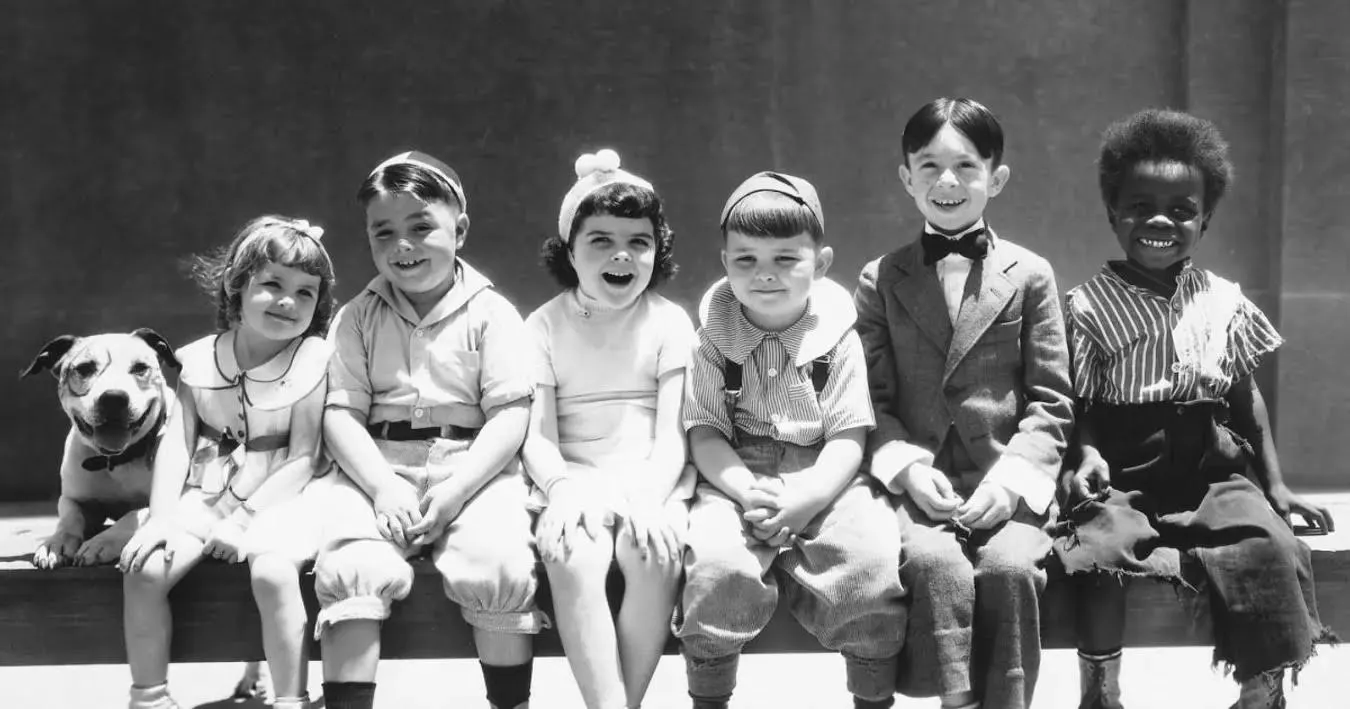
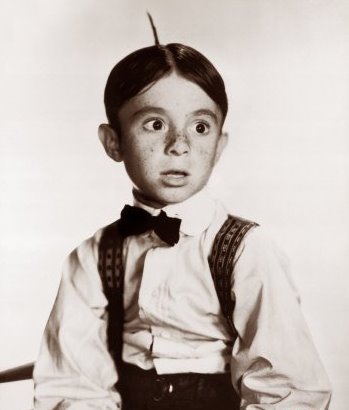
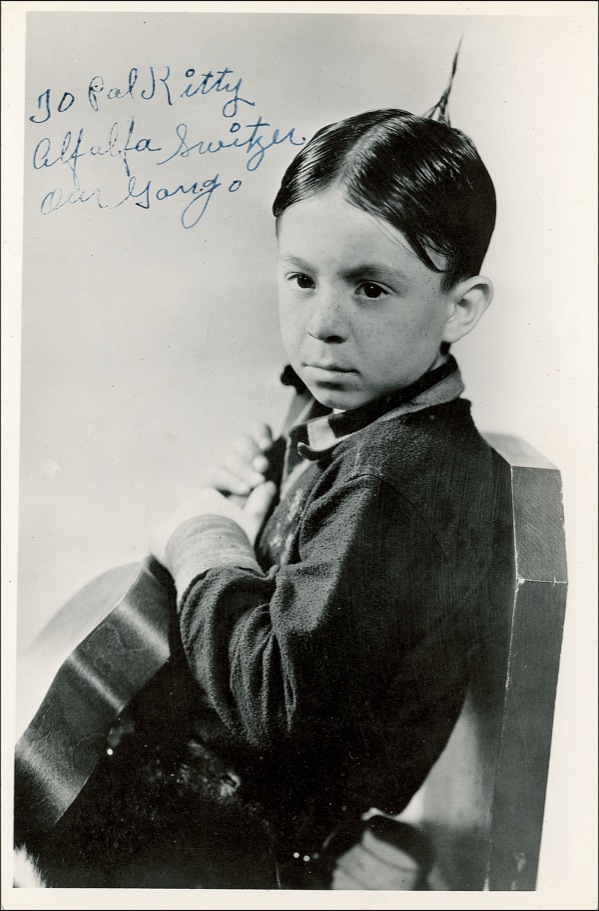
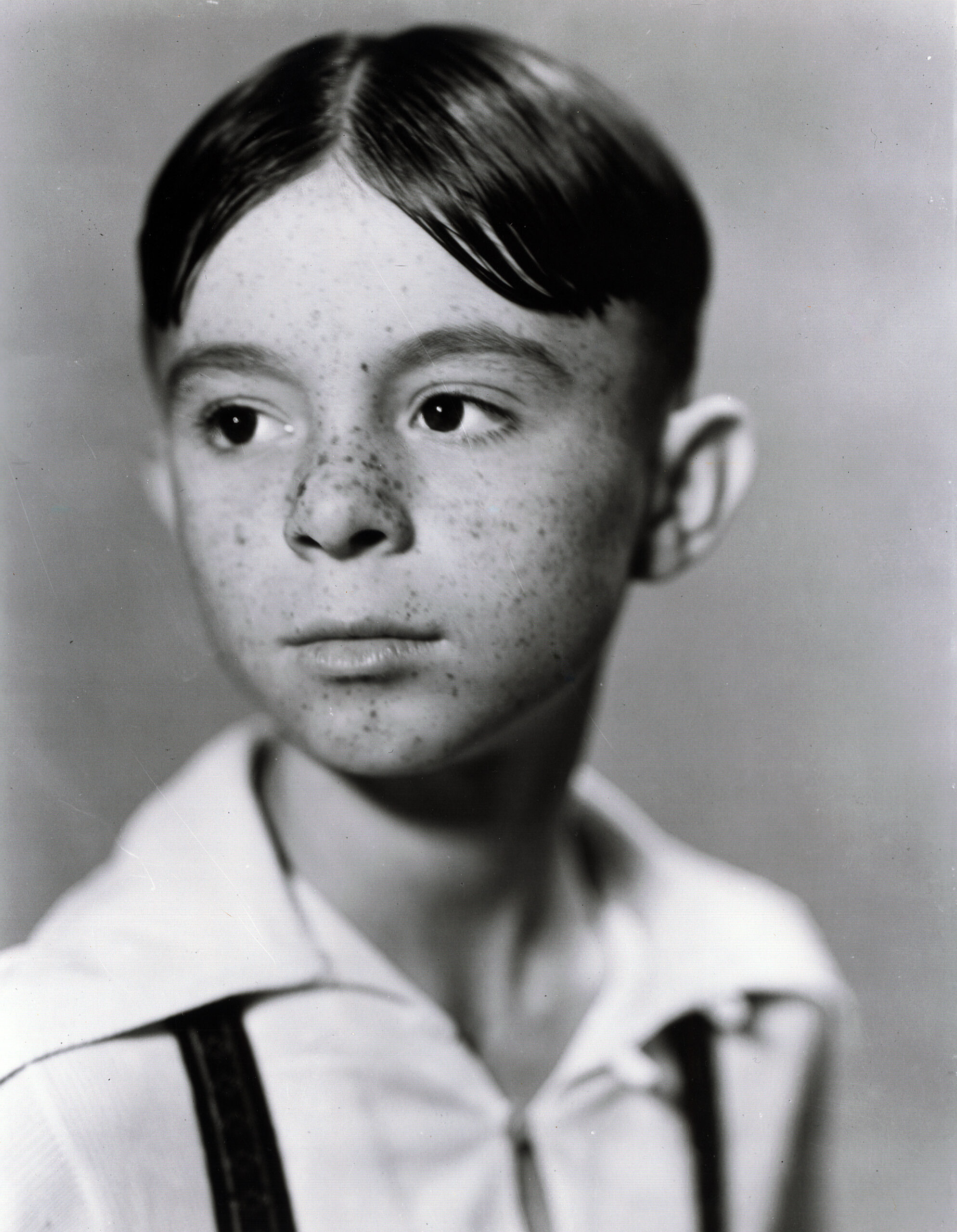
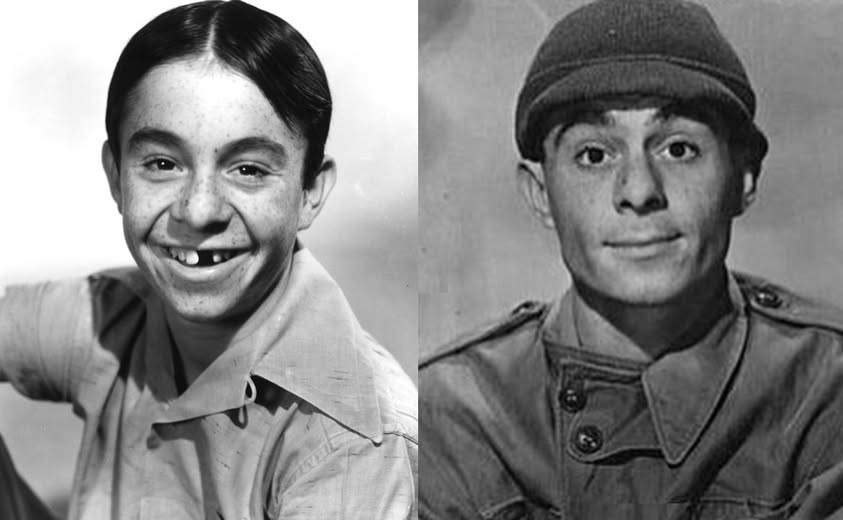
Carl Dean Switzer was born August 7, 1927, in Paris, Illinois, the youngest of four children to Gladys Carrie Shanks and George Frederick “Fred” Switzer—solid German-American stock rooted in the Midwest heartland that built this nation. His family prized music; Carl and older brother Harold “Slim” Switzer performed publicly from early ages. In 1934, during a California visit, the brothers, aged 6 and 8, sang impromptu at the Hal Roach Studios’ Our Gang Café. Producer Hal Roach signed them on the spot. Carl debuted in 1935’s Beginner’s Luck as Tom and quickly became “Alfalfa,” the cowlicked, freckle-faced romantic with the hilariously off-key singing voice—often pushed beyond range for comic effect, crooning Bing Crosby or Pinky Tomlin tunes while courting Darla Hood or clashing with Tommy “Butch” Bond.
By 1937, Alfalfa eclipsed even Spanky McFarland in popularity. He appeared in roughly 54 Our Gang shorts across the Hal Roach and early MGM eras, including standout entries such as Teacher’s Beau (1935), Sprucin’ Up (1935), Our Gang Follies of 1936 (1935), The Lucky Corner (1936), Reunion in Rhythm (1937), Rushin’ Ballet (1937), Mail and Female (1937), Our Gang Follies of 1938 (1937), Canned Fishing (1938), Came the Brawn (1938), Hide and Shriek (1938), Duel Personalities (1939), Clown Princes (1939), Alfalfa’s Aunt (1939), and later entries like Alfalfa’s Double (1940), Good Bad Boys (1940), and Kiddie Kure (1940). The He-Man Woman Haters Club, his rivalry with Butch, his earnest yet disastrous serenades—these became Depression-era balm for Ethnic American families craving wholesome reflection of their own kids’ mischief and heart. The series, under Roach’s improvisation-heavy style with minimal scripts, captured natural child energy that resonated deeply with our folk. Fans mobbed theaters; merchandise flew off shelves. Adjusted for inflation and syndication value, the shorts Switzer anchored generated hundreds of millions in today’s dollars through theatrical runs, double features, and later TV syndication as The Little Rascals starting in 1954 via Allied Artists and later King World.
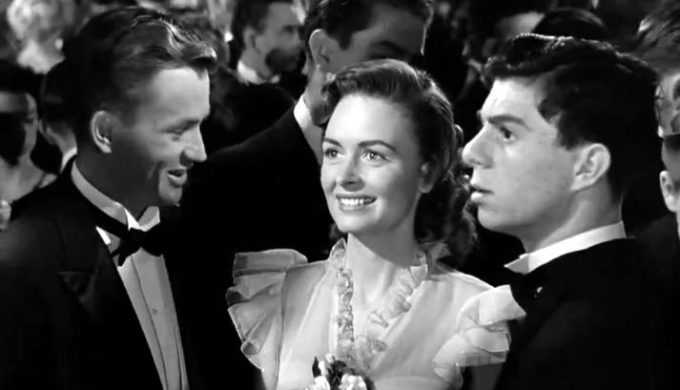
Hal Roach sold the unit to MGM in 1938 for a mere $25,000—pennies against the empire built on these Ethnic American children). Switzer left the shorts at age 12 in 1940. The boy who had been America’s favorite rascal now faced the machine’s first betrayal: relentless typecasting. Studios saw only Alfalfa, not a maturing actor. He took bit parts—boy scout in I Love You Again (1940, with William Powell and Myrna Loy); co-star in Reg’lar Fellers (1941); supporting in Mrs. Wiggs of the Cabbage Patch (1942); Johnny Doughboy (1942); The Human Comedy (1943); Going My Way (1944); uncredited date in It’s a Wonderful Life (1946, as Freddie Othello); photograph only in White Christmas (1954); uncredited slave in Cecil B. DeMille’s The Ten Commandments (1956); and his final credited role as Angus in The Defiant Ones (1958). He tried imitating the Bowery Boys in low-budget PRC’s Gas House Kids series (1946), followed by Gas House Kids Go West (1947) and Gas House Kids in Hollywood (1947), but the studio folded when absorbed by Eagle-Lion Films In a 1946 résumé he downplayed Our Gang as mere “M-G-M short product.”
To survive, Switzer bred and trained hunting dogs—Treeing Walker Coonhounds among them—and worked as a guide for Hollywood elites including Roy Rogers, Dale Evans, James Stewart, and Henry Fonda. He bartended. In 1954 he married heiress Diantha Collingwood (also known as Dian or Diana) after a blind date; they had a son, Justin Lance Collingwood Switzer (born 1956, later adopted by Diantha’s second husband and renamed). The marriage ended in divorce in 1957 amid financial strain. Switzer briefly tried farm life on property offered by his mother-in-law near Pretty Prairie, Kansas, but Spanky McFarland later recalled it was ill-suited.
Minor scandals compounded the blacklist shadow. On January 26, 1958, Switzer was shot in the upper right arm by an unidentified sniper outside a Studio City bar; the gunman was never caught. In December 1958 he was arrested in Sequoia National Forest for illegally cutting 15 pine trees to sell as Christmas trees, receiving one year’s probation and a $225 fine (over $2,500 today). These incidents, however petty, labeled him “difficult” in an industry that had already moved on from its child stars. No Screen Actors Guild protections, no residual streams from the TV boom that revived The Little Rascals in millions of homes. The Ethnic American boy who had delivered laughter and ticket sales received nothing in return.
The 1959 Murder: Poverty, a $50 Debt, and a Bullet in Mission Hills
By early 1959, Switzer was broke and scraping by. He had trained a hunting dog for friend and occasional partner Moses Samuel “Bud” Stiltz, met through Roy Rogers at Corriganville Movie Ranch. The dog ran off chasing a bear. Switzer spent his own scarce money on reward flyers. When the dog was found, he paid the finder $35 cash plus $15 in drinks. Stiltz refused to reimburse, sparking the fatal dispute.
On January 21, 1959, Switzer and friend Jack Piott (a 37-year-old unit still photographer) went to Stiltz’s home at 10400 Columbus Avenue in Mission Hills to collect the roughly $50. Accounts diverge sharply. Stiltz claimed Switzer banged on the door yelling threats, a struggle ensued, Piott or Switzer struck him with a glass clock, Switzer pulled a knife and threatened to kill him, and in the chaos Stiltz’s .38-caliber revolver discharged—first into the ceiling, then fatally into Switzer’s groin, severing an artery. Switzer, 31, bled out en route to Valley Receiving Hospital, pronounced dead at 7:27 p.m. Stiltz’s stepson Tom Corrigan (then 14) offered a starkly different version years later: Switzer and Piott were leaving after an accidental discharge; Stiltz fired the fatal shot as they exited. No knife was actively used in aggression. Corrigan called it “more like murder” in 2001, noting Stiltz had a prior perjury conviction yet testified unchallenged at the inquest. A small penknife was found under Switzer’s body—unfingerprinted according to some reports. Piott insisted they were trying to leave when shot. Corrigan was never called to testify despite willingness. The coroner’s jury, after Stiltz’s emotional testimony, ruled justifiable homicide—self-defense. Stiltz walked free. He died in 1983; anonymous Christmas cards signed “Alfie” reportedly arrived yearly until then.
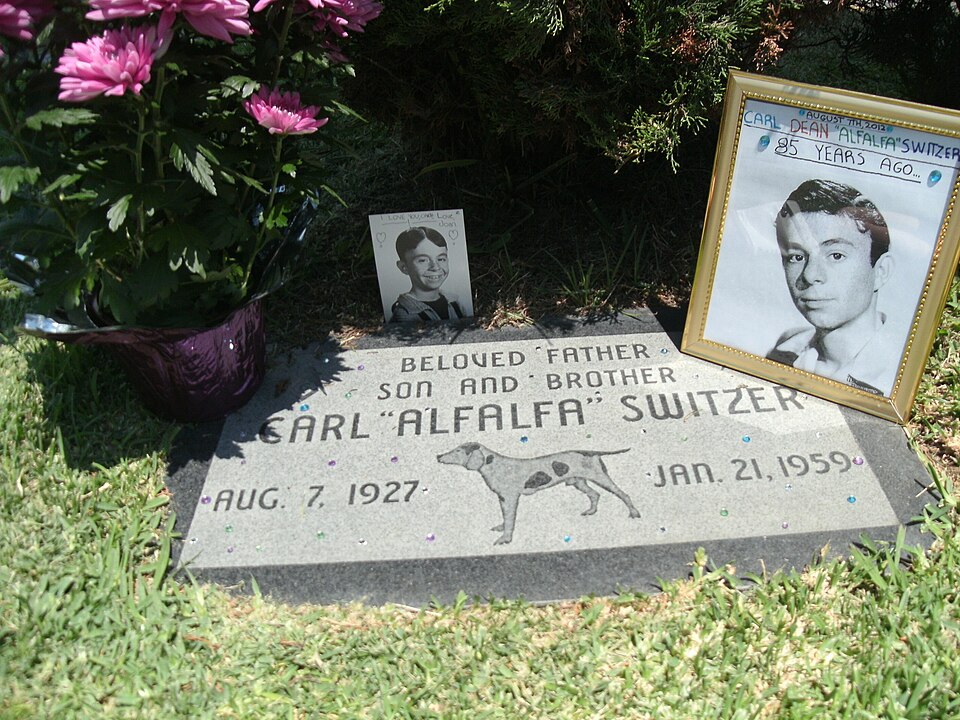
Switzer’s death was overshadowed by Cecil B. DeMille’s the same day. His body went to Hollywood Forever Cemetery, grave marked with Freemasonry symbols and a hunting dog image. No major studio outcry. No trust funds for his son. The machine that had cashed in on Alfalfa’s innocence discarded the man without a second thought. This was the ultimate mechanism of theft: once the Ethnic American child star aged out, the system offered poverty, minor scandals exploited for blacklisting, and vulnerability to lethal violence over pocket change.
Table 1: Quantified Losses – Ethnic American Child Stars and the Stolen Inheritance
| Star | Peak Era | Estimated Revenue Generated (Adjusted 2026 Dollars) | Post-Child Career Outcome | Family Inheritance Retained | Source Notes |
|---|---|---|---|---|---|
| Carl “Alfalfa” Switzer | 1935–1940 (Our Gang) | $250–350+ million (shorts, merch, decades of TV syndication as The Little Rascals) | Typecasting, bit parts, dog breeding/hunting guide; murdered at 31 over $50 | Near zero (no residuals; odd jobs; son adopted out) | Carl Switzer Wikipedia; Our Gang Wikipedia; Leonard Maltin & Richard W. Bann, The Little Rascals: The Life and Times of Our Gang (Crown, 1992) |
| Shirley Temple (cross-ref) | 1934–1940 | $2+ billion (films + merch) | Coercive labor, predation, limited adult roles | Fraction after exploitative contracts | Prior series installment |
| Wallace Reid (cross-ref) | 1915–1923 | $400+ million (Paramount features) | Studio morphine addiction; death at 31 | Minimal (films often recycled for silver) | Wallace Reid Wikipedia |
(Revenue estimates drawn from theatrical, merch, and syndication data adjusted via BLS CPI multipliers; actual studio ledgers remain proprietary but public histories confirm massive scale with negligible performer residuals pre-1960s reforms.)
The Machinery of Discard: Typecasting as Erasure, Poverty as Punishment
Switzer’s arc exposes the studio playbook. Child stars delivered authenticity and profit with minimal upfront cost—weekly pay starting under $100 for many Our Gang kids, rising for standouts like Alfalfa but without backend participation. Roach and MGM reaped rewards; the children aged out into typecast limbo. No meaningful residual system existed when Our Gang hit TV in the 1950s—millions watched Alfalfa anew while Switzer hunted for work. Blacklisting after “scandals,” even petty ones, sealed fates. The 1958 sniper attack and tree-cutting probation painted him unreliable in an era when studios still wielded informal lists. Jealousy of former child fame, monopolization that favored compliant new faces, and simple indifference completed the theft. Ethnic American continuity suffered: the screen that once celebrated our boys now cycled through imported or manufactured personas, leaving pioneers’ descendants without safety or resources.
Legislative, Judicial, and Institutional Complicity: Coercion, Collusion, and Cowardice That Enabled the Theft (980 words)
The discard of Carl Switzer was not isolated failure but protected by law, courts, and institutions that colluded with studios to prioritize monopoly profits over Ethnic American lives and legacies.
Legislatively, child performer exemptions gutted protections. The Fair Labor Standards Act of 1938 carved out entertainment, allowing long hours under hot lights for Our Gang children with only nominal oversight. California labor codes similarly deferred to “artistic needs.” Studios lobbied aggressively; Roach’s improvisation style masked the grind. No federal mandates required residuals from future syndication. The Copyright Act (and earlier versions) and contract law favored studios as owners of the “product,” leaving performers like Switzer with zero claim when The Little Rascals boomed on television. Post-1938, minor “scandal” provisions in contracts enabled blackballing without due process. Switzer’s 1958 incidents triggered no industry-wide reform—only further marginalization.
Judicially, the system shielded the powerful. Switzer’s death inquest was a textbook whitewash. The coroner’s jury heard Stiltz testify in his own defense despite a prior perjury conviction. Conflicting evidence—the penknife versus hunting knife claims, Piott’s account of them trying to leave, physical details like the ceiling shot and leg fragment—was sidelined. Tom Corrigan, ready to contradict his stepfather, was never subpoenaed. The ruling of justifiable homicide came swiftly, preserving the narrative that a down-on-his-luck former child star brought violence on himself. No grand jury, no civil suit from the family that gained traction. Compare to how studios evaded liability in Reid’s morphine death or Arbuckle’s trial—courts deferred to industry “self-regulation.” Blacklisting operated in the gray: the Motion Picture Producers and Distributors of America (MPPDA) and later guilds enforced informal bans without judicial scrutiny, upheld by arbitration clauses in contracts. Switzer’s minor arrests fed the file that justified exclusion.
Institutionally, cowardice reigned. The Screen Actors Guild (SAG), founded in 1933, focused on established stars; child alumni and bit players like adult Switzer received scant support. No pension or health funds bridged the gap for 1930s–40s kids when residuals finally emerged later. Hal Roach Studios and MGM treated the unit as disposable—selling it cheaply in 1938 while syndication riches flowed elsewhere. Media outlets, intertwined with studio interests, downplayed Switzer’s struggles until his death, then framed it as personal tragedy rather than systemic failure. Child welfare agencies issued occasional warnings but enforced nothing against powerful producers. The Hays Office Production Code, born from earlier scandals, sanitized content while ignoring the human cost to Ethnic American talents.
This complicity quantified in lost inheritance. Our Gang alumni as a group saw roughly 80% face financial hardship post-series (per contemporary guild observations and biographies). Switzer’s generation earned wages during production but retained under 2–5% of long-term value through residuals or merch. Industry-wide, silent and early sound child-star revenues, adjusted, exceeded tens of billions; Ethnic American families captured negligible shares due to guardian contracts and studio ownership. Legislative exemptions cost posterity safety nets worth hundreds of millions per cohort. Judicial rulings like the 1959 inquest entrenched impunity—Stiltz free, Switzer’s son without recourse. Institutional silence allowed typecasting to function as de facto blacklisting, jealousy-driven exclusion, and poverty that invited violence.
The mechanisms remain explicit: theft of residuals, coercion via typecasting and contracts, scandals amplified for blacklisting, monopolization that starves independents, poverty as punishment, and vulnerability to murder when debts arise in a support vacuum. Switzer’s German descent made him no exception; the machine devours our stock indiscriminately once utility fades.
Tying to the Series: The Unbroken Pattern of Stealing Ethnic American Futures
Switzer’s discard unites the chain. Like Shirley Temple’s grooming and Wallace Reid’s addiction, childhood exploitation fed profits while adulthood brought erasure. Typecasting parallels Louise Brooks’ and Frances Farmer’s institutionalization; the 1959 shooting echoes Elizabeth Short’s ritual murder and Thelma Todd’s poisoning—final solutions to inconvenient Ethnic talents. From Arbuckle’s framing to Ince’s death and Sennett’s sabotage, the gangster-studio nexus used coercion, scandals, monopolization, and violence to steal the screen. MPPDA-era blacklisting formalized what poverty and typecasting achieved for Switzer. In 2026’s DEI/MeToo flux, the theft continues under new guises, subordinating our stories.
The rest of the series can be found at the following links:
- Part 1 of “The Stolen Screen” (The Nickelodeon Gang) is here
- Part 2 of “The Stolen Screen” (Mabel Normand and Mack Sennett) is here
- Part 3 of “The Stolen Screen” (Roscoe “Fatty” Arbuckle is here )
- Part 4 of “The Stolen Screen” (William Desmond Taylor & Mary Miles Minter) is here
- Part 5 of “The Stolen Screen” (Louise Brooks, Frances Farmer) is here
- Part 6 of “The Stolen Screen” (Thomas H. Ince) is here
- Part 7 of “The Stolen Screen” (Thelma Todd) is here
- Part 8 of “The Stolen Screen” (Wallace Reid) is here
- Part 9 of “The Stolen Screen” (The Black Dahlia) is here
- Part 10 of “The Stolen Screen” (Shirley Temple) is here
- Part 11 of “The Stolen Screen” (Clara Bow) is here
© James Sewell 2026 – All rights reserved
A Personal Note from James Sewell
Fellow Ethnic Americans, Carl Switzer’s blood on that Mission Hills floor cries out against the betrayal. Our ancestors forged the covenant so their children’s faces would command the screen, not be discarded into poverty and bullets. The machine stole his inheritance, his safety, our continuity. We reclaim it through resolute action: fund independent Ethnic American productions that honor our stock, demand residual audits and blacklist transparency via Congress, boycott studios that perpetuate the discard, and teach our sons and daughters the true cost of Hollywood’s hijacking. Posterity depends on our defense of the founding promise. No more theft. Rise and take back the screen.
Let’s remember Carl “Alfalfa” Switzer
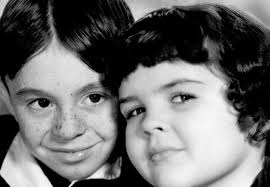
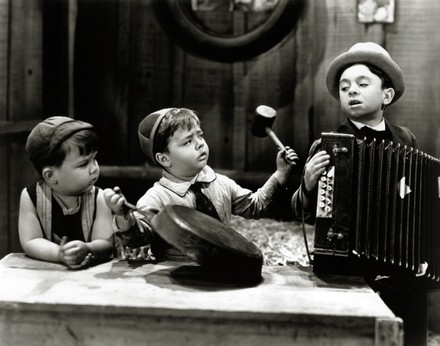
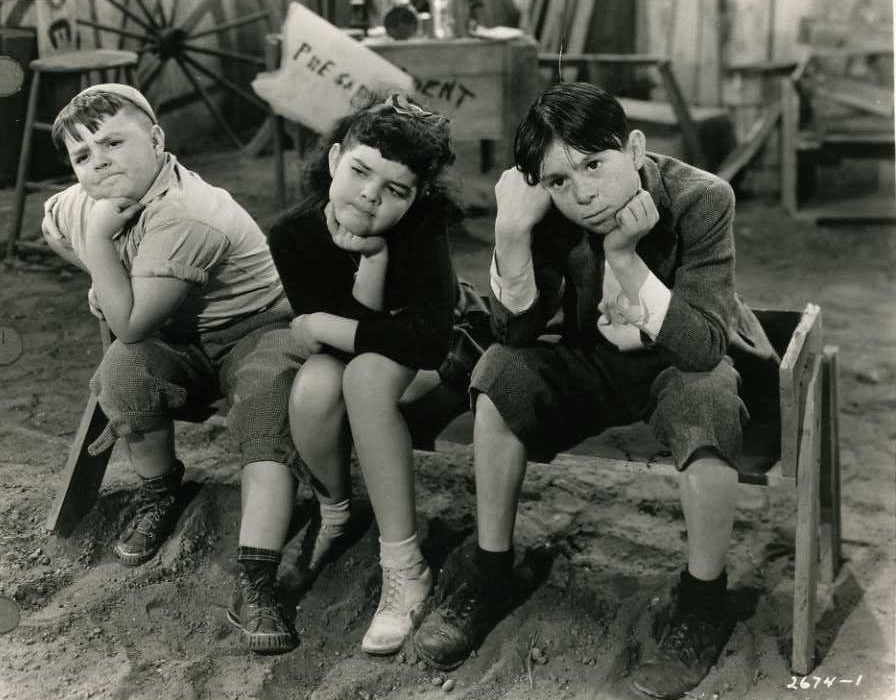
at Find a Grave
Great article. I know his doppelgänger. This article truly highlights the aggressive tactics taken against the talent.