The Independent Ethnic American Genius Crushed by MGM’s Machine
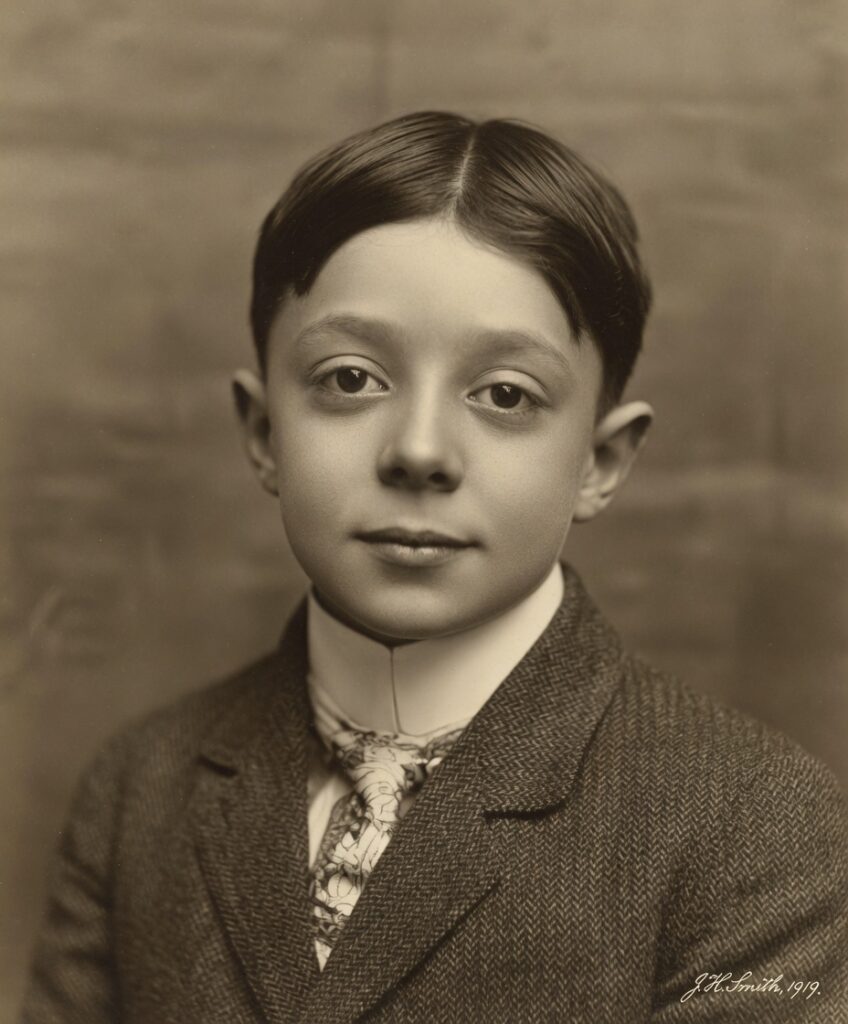
Picture the unyielding face of the American heartland—stoic, resilient, forged in the fires of pioneer hardship and vaudeville grit. That is the essence of Buster Keaton, born Joseph Frank Keaton on October 4, 1895, in Piqua, Kansas, to parents of sturdy English, Irish, and Scottish stock. His father, Joseph Hallie Keaton, and mother, Myra Edith Cutler, carried the blood of those free White persons of good moral character enshrined in the 1790 Naturalization Act—the very souls who tamed this continent with calloused hands, unbreakable wills, and a vision of ordered liberty for their posterity under “We the People.”
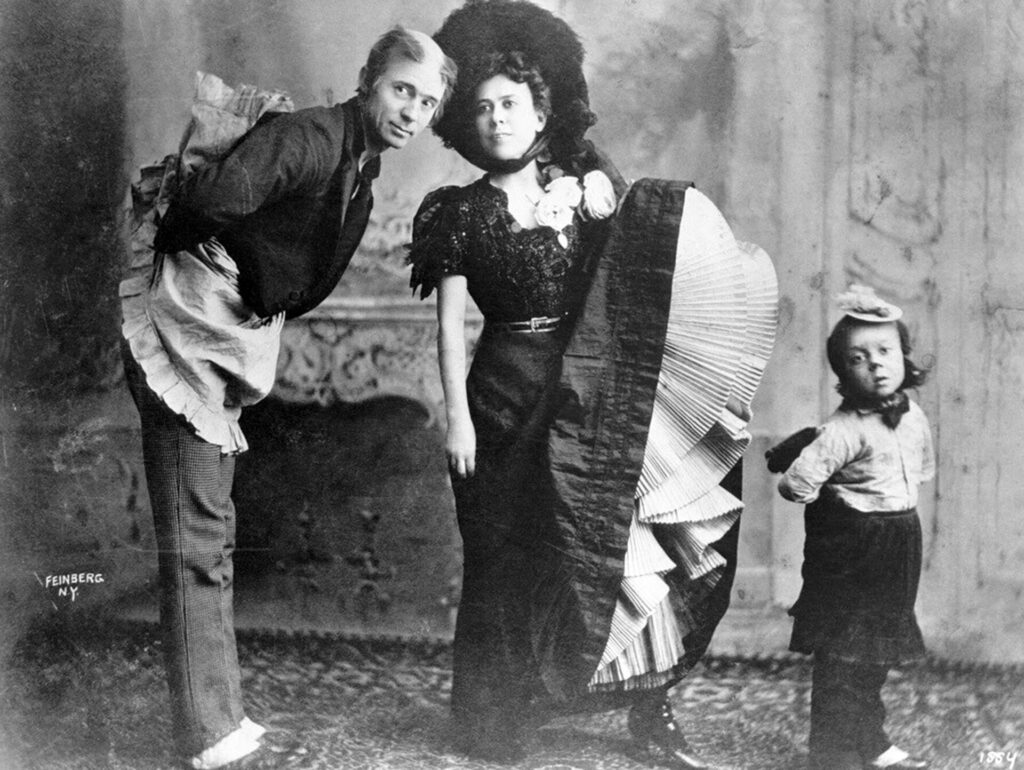
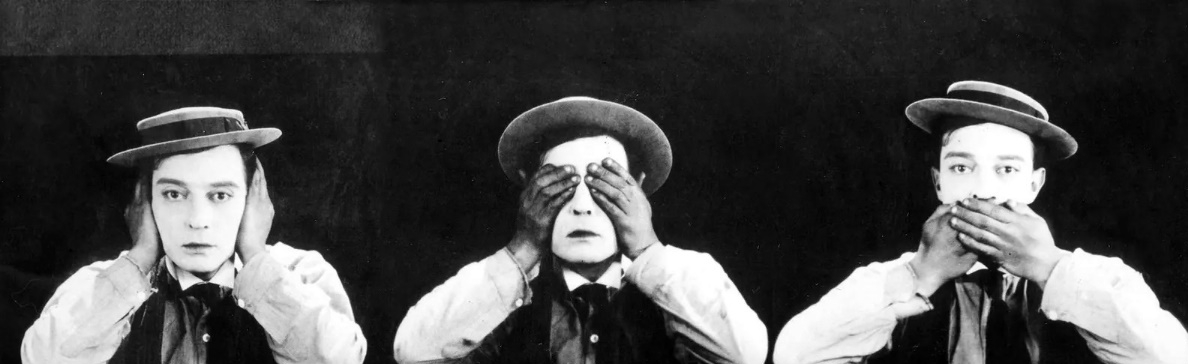
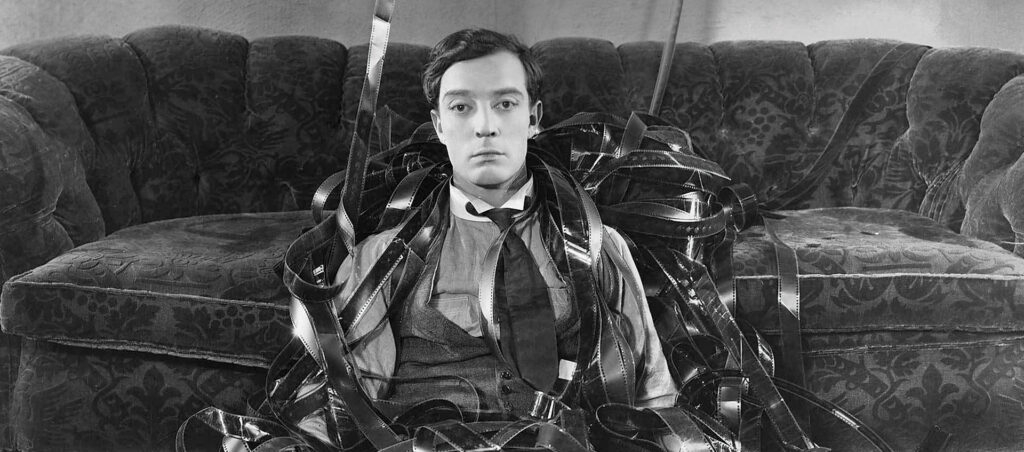
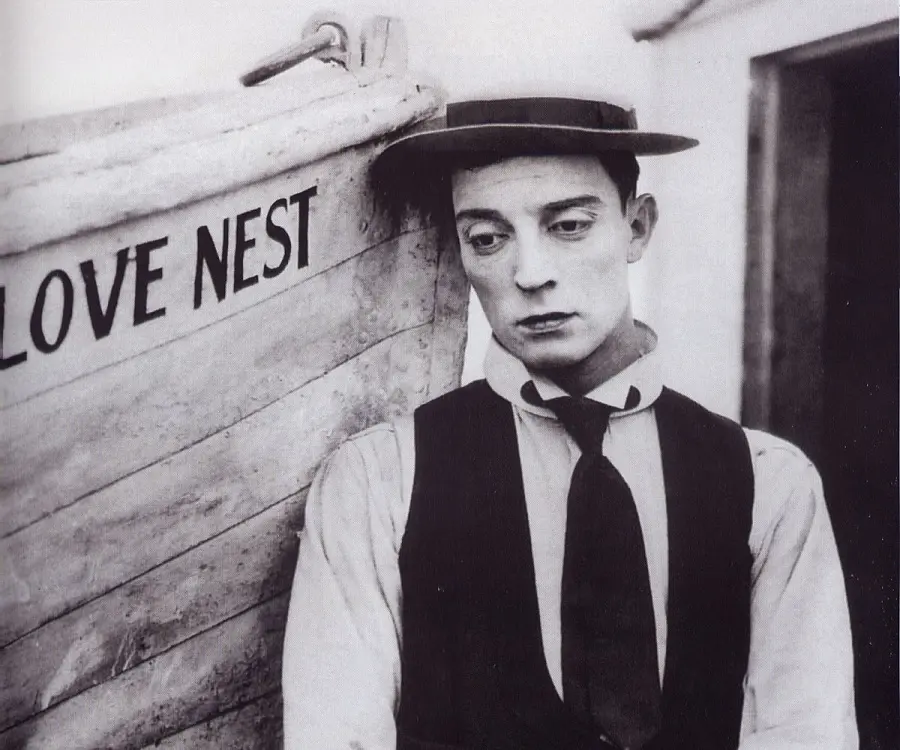
Keaton’s family embodied the rugged individualism that built America. Vaudeville troupers through and through, they traversed the Midwest with a traveling show that demanded physical ingenuity, split-second timing, and fearless improvisation. Young Buster was hurled across stages from infancy, learning to take falls that would shatter lesser men, his “Great Stone Face” masking the whirlwind of Ethnic American ingenuity beneath. No scripted tears, no exaggerated mugging—just pure, deadpan resilience mirroring the pioneer spirit that cleared forests, spanned rivers, and homesteaded the untamed West. This was entertainment rooted in our shared heritage, not the chaotic degeneracy that later infested the screen.
As an Ethnic American heir to those who subdued this land, I see in Keaton the stolen vision of what Hollywood could have been: a celebration of clever, self-reliant White American genius rather than a weaponized tool for cultural dissolution. His early life in the heartland connected directly to the broader Ethnic American tradition of physical comedy and inventive storytelling, far removed from the nickelodeon rackets and patent thefts that launched this series. Yet the same machine that framed his mentor Roscoe “Fatty” Arbuckle, exploited child stars like Shirley Temple and Alfalfa, absorbed Walt Disney’s empire, and purged authentic rural narratives would eventually crush Keaton’s independence. This is the saga of another hijacked dream.
Rise of the Independent Genius: Mentored by Arbuckle, Master of Silent Innovation
Keaton’s ascent began in the shadow of true Ethnic American collaboration. As detailed in my earlier installment on Roscoe “Fatty” Arbuckle, the gentle Kansas giant discovered the young vaudevillian in 1917 and cast him in The Butcher Boy. Arbuckle, that destroyed Keystone pioneer of Scottish-American stock, became Keaton’s greatest teacher, mentoring him in the mechanics of film direction, writing, and performance. Keaton later credited Arbuckle with launching his screen career, a bond of Ethnic American solidarity that the Hollywood machine could not tolerate.
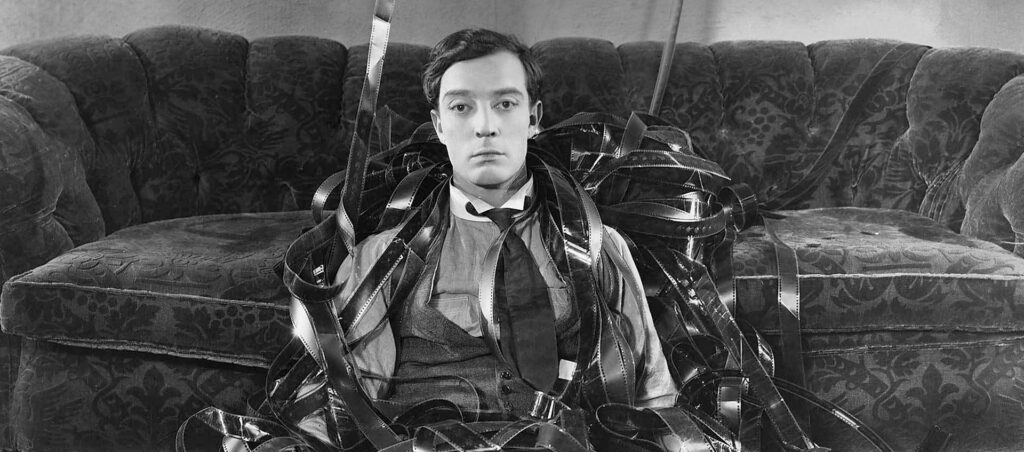
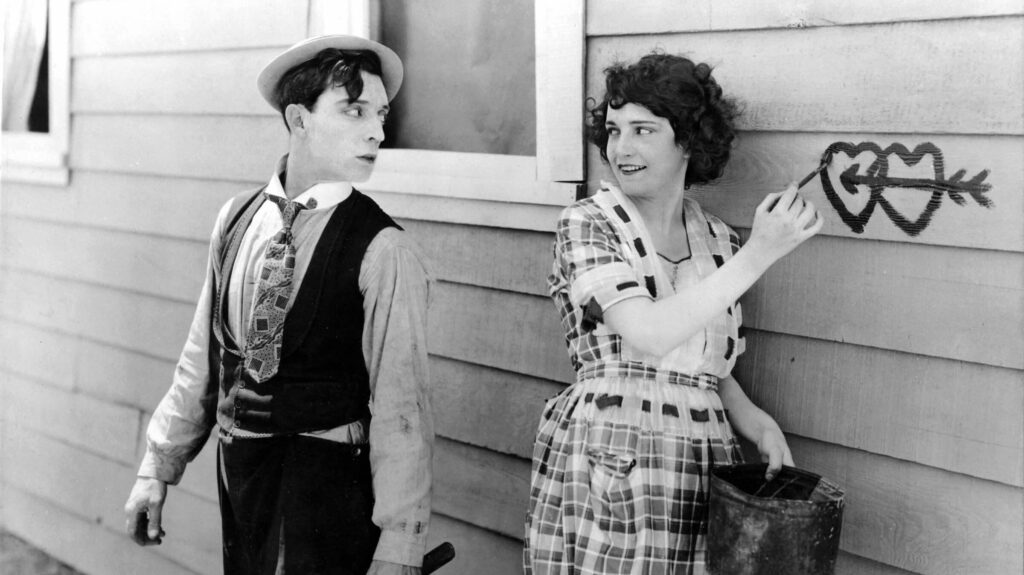
Under Arbuckle’s wing at Comique Films, Keaton honed his deadpan “Great Stone Face” style—a revolutionary departure from the broad slapstick of the era. While others flailed for laughs, Keaton stood immovable amid chaos, his expression a blank canvas reflecting the stoic endurance of our pioneer ancestors. He pioneered groundbreaking physical stunts, innovative camera tricks, and narrative structures that influenced generations. Films like One Week (1920), The Boat (1921), and Cops (1922) showcased his complete creative control: he directed, starred, and often engineered the gags himself, embodying self-made American ingenuity.
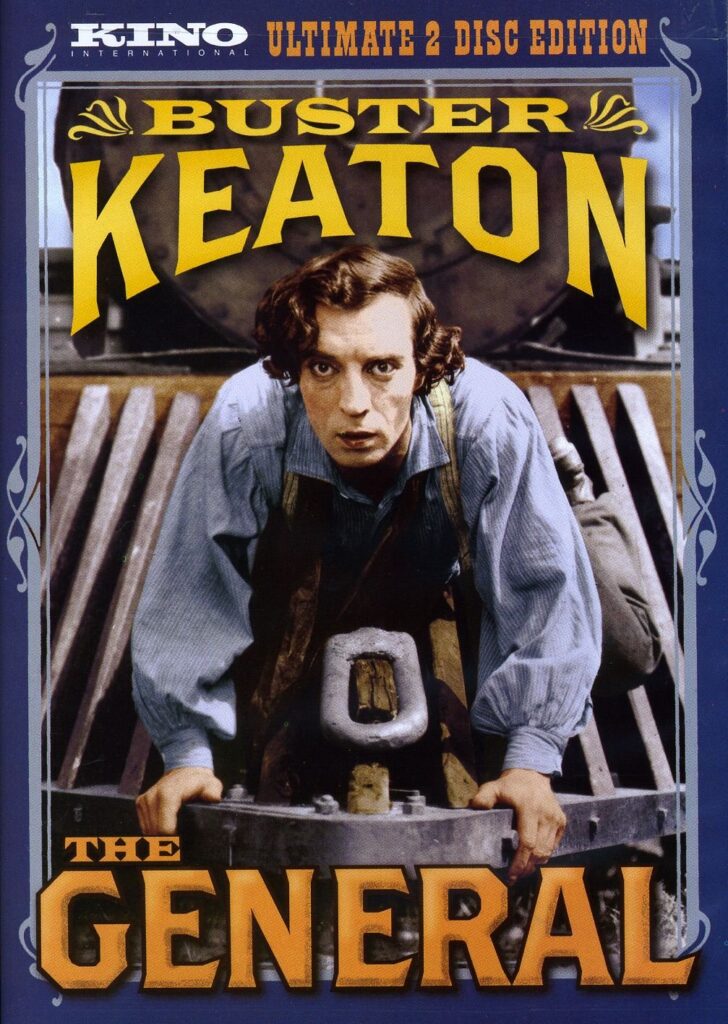
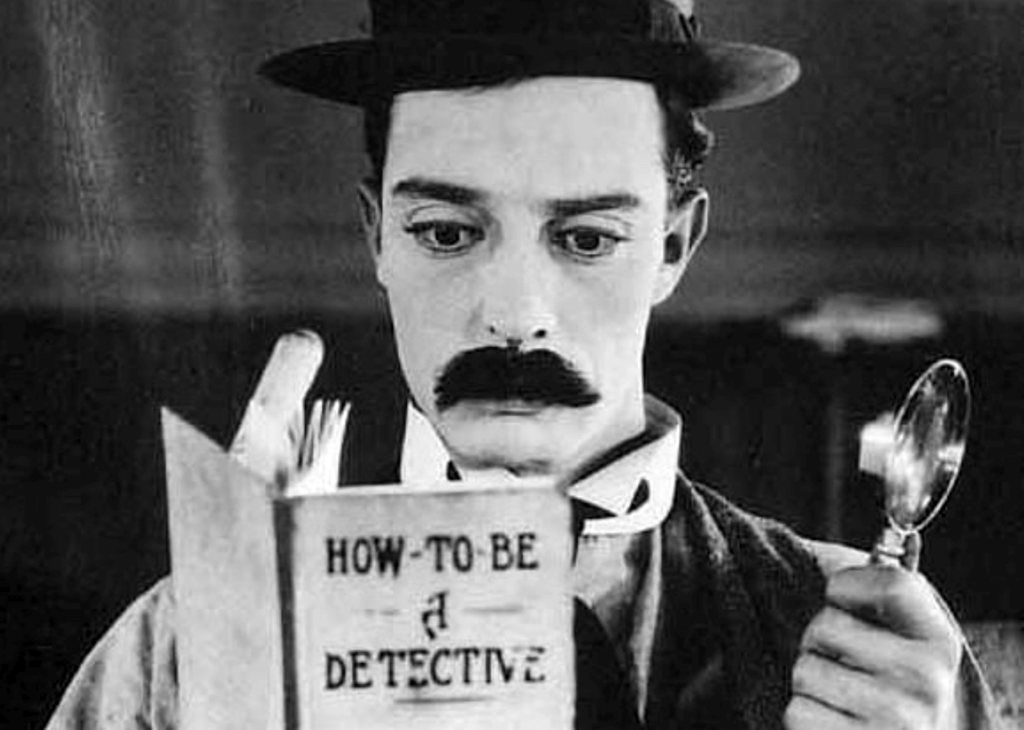
His masterpieces remain monuments to Ethnic American excellence. Our Hospitality (1923) blended historical drama with razor-sharp comedy, drawing on Southern pioneer themes. Sherlock Jr. (1924) featured meta-cinema wizardry, with Keaton seamlessly entering the film-within-a-film—a technical marvel achieved through his independent vision. The Navigator (1924) turned oceanic misadventure into hilarious triumph. And then there was The General (1926), widely regarded as one of the greatest films ever made: a Civil War epic where Keaton performed death-defying stunts atop a moving locomotive, directing with military precision while delivering subtle physical comedy. Steamboat Bill Jr. (1928) delivered the iconic cyclone sequence, where a falling house facade miraculously spared him by inches—a feat of calculated risk rooted in vaudeville-honed precision.
Keaton operated as an independent force, often financing and producing his own shorts and features through Buster Keaton Productions. This autonomy reflected the 1790 spirit—free enterprise without corporate overlords dictating terms. His work celebrated clever resilience over victimhood, heartland values over urban excess. In an era when the gangster hijackers were consolidating power through studios like MGM, Keaton’s independence shone as a beacon of what Ethnic American creativity could achieve when left unmolested.
The Theft and Betrayal: Disastrous Marriage, MGM Takeover, and the Crushing of Independence
The Hollywood machine does not tolerate independent Ethnic American voices who refuse full submission. For Keaton, the betrayal unfolded through personal entrapment and corporate absorption, mirroring the purges that claimed Arbuckle, Thelma Todd, Wallace Reid, and so many others in this series.
The disastrous marriage to Natalie Talmadge in 1921 proved the first major crack. Natalie, sister of studio-connected actresses Norma and Constance Talmadge, came from a family deeply embedded in the emerging power structure. Their union, initially marked by affection, devolved into financial and emotional ruin. Keaton, generous to a fault like so many of our people, signed over paychecks and transferred ownership of his films to the Talmadge interests. Natalie’s demands escalated—lavish spending, separate bedrooms, and eventual alienation of their two sons, James and Robert, whose last names she later changed to Talmadge. The marriage ended in a bitter 1932 divorce, leaving Keaton emotionally shattered and financially devastated.
This personal destruction aligned perfectly with the studio system’s designs. As the silent era waned, Joe Schenck—connected through the Talmadge family—sold Keaton’s contract to Metro-Goldwyn-Mayer in 1928. Keaton himself later called this the biggest mistake of his career. At MGM, under Louis B. Mayer’s iron grip, the independent genius was reduced to a contract player. Executives stripped him of creative control, forcing him into formulaic vehicles with poor scripts, intrusive directors, and watered-down gags. His innovative spirit was suffocated by committee decisions and sound-era constraints that favored dialogue over visual poetry.
The sabotage intensified. Bad roles piled up. Resistance led to marginalization. His descent into alcoholism—exacerbated by the loss of autonomy, marital collapse, and the broader despair of seeing his life’s work commodified—was enabled and amplified by the machine. Friends like Arbuckle had already been framed and blacklisted; now Keaton faced similar erasure. The gangster hijackers, having absorbed Edison’s inventions and Keystone’s innovations, deliberately crushed those who clung to independence. Keaton’s story fits the pattern: frame Arbuckle to clear paths, exploit Shirley Temple and Alfalfa for profit, absorb Disney’s empire, and purge rural narratives that celebrated Ethnic American resilience. Independent voices were either co-opted or destroyed.
By 1933, MGM fired him. The once-mighty creator of The General was relegated to shorts and bit parts, his genius scattered like ashes over the consolidated empire.
Legacy and Erasure: Obscurity, Rediscovery, and the Minimized Ethnic American Vision
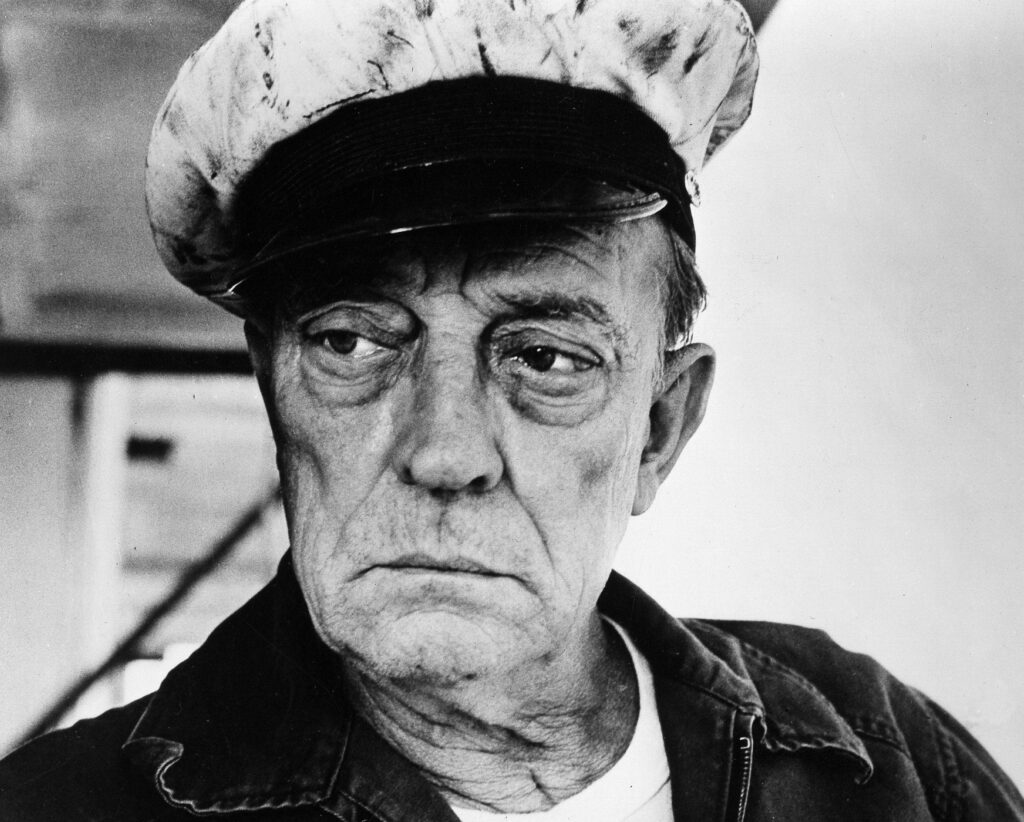
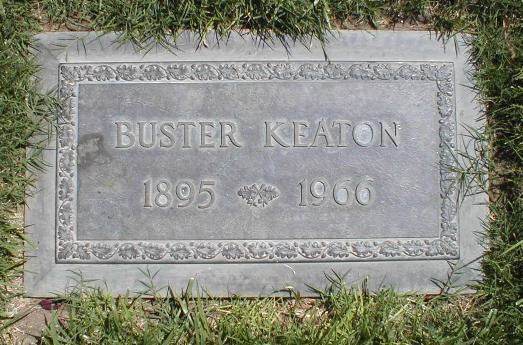
Keaton’s later years tell a tale of stoic endurance amid engineered obscurity. Bit parts in forgettable films, guest appearances, and periods of profound personal struggle marked the 1930s and 1940s. Alcoholism ravaged him, as it had his father and so many betrayed talents. Yet his unyielding Stone Face persisted. A partial rediscovery in the 1950s and 1960s—through retrospectives, appearances in Limelight with Chaplin, and acclaim from French critics—brought some vindication before his death in 1966.
Mainstream Hollywood still downplays his full genius compared to Chaplin, whom the system elevated after pilfering routines. Keaton’s independent masterpieces are often sidelined in favor of narratives that fit the approved story. Post-career smears and minimized legacy form part of the ongoing erasure of Ethnic American foundational contributors. Where Arbuckle was framed as a monster, Keaton was painted as a tragic alcoholic whose fall was self-inflicted—never mind the MGM machine that stripped his control and the personal betrayals that isolated him.
This erasure echoes the broader cultural purge: authentic American stories of rugged individualism replaced by consolidated, agenda-driven content. Keaton’s vision—of clever underdogs triumphing through ingenuity—threatened the empire built on theft.
Tying Back to the Series: Another Victim in the Hijacking of Our Screen
Keaton’s tragedy connects directly to the heart of “The Stolen Screen.” His mentor Arbuckle, framed in the Virginia Rappe scandal as exposed in Part 3, represented the first major purge of Keystone’s Ethnic American core. The exploitation of Shirley Temple in Part 10 and Alfalfa’s mistreatment showed the machine’s appetite for devouring child talent. Disney’s corporate absorption and the purge of rural narratives revealed the shift from independent creativity to monopolistic control. Keaton, like Louise Brooks, Frances Farmer, Thelma Todd, Wallace Reid, Thomas Ince, William Desmond Taylor, and Mary Miles Minter before him, was another independent Ethnic American voice silenced or diminished.
The gangster hijackers—those who seized Edison’s patents, built empires on nickelodeon rackets, and engineered scandals—absorbed or destroyed those who wouldn’t fully submit. Keaton’s self-directed masterpieces stood as a rebuke to their formulaic machine.
A personal note from James Sewell
How many more Ethnic American creative giants must fall before we recognize the theft? Buster Keaton’s independent vision—born of pioneer stock, nurtured in vaudeville heartland traditions, and expressed through groundbreaking silent cinema—was crushed by MGM’s machine, turning a self-reliant genius into a cog in their consolidated empire. His story is ours: the hijacking of American entertainment from its rightful builders, the erasure of rugged individualism for profit and power.
We must reclaim these stolen legacies. Honor the Arbuckles and Keatons who built what others stole. Reject the machine that perverts our inheritance. Establish our Ethnic identity as the first step in taking back our nation and its screen.
The truth endures like Keaton’s Stone Face—unyielding amid the storm.
© James Sewell 2026 – All rights reserved
The rest of the series can be found at the following links:
- Part 1 of “The Stolen Screen” (The Nickelodeon Gang) is here
- Part 2 of “The Stolen Screen” (Mabel Normand and Mack Sennett) is here
- Part 3 of “The Stolen Screen” (Roscoe “Fatty” Arbuckle is here )
- Part 4 of “The Stolen Screen” (William Desmond Taylor & Mary Miles Minter) is here
- Part 5 of “The Stolen Screen” (Louise Brooks, Frances Farmer) is here
- Part 6 of “The Stolen Screen” (Thomas H. Ince) is here
- Part 7 of “The Stolen Screen” (Thelma Todd) is here
- Part 8 of “The Stolen Screen” (Wallace Reid) is here
- Part 9 of “The Stolen Screen” (The Black Dahlia) is here
- Part 10 of “The Stolen Screen” (Shirley Temple) is here
- Part 11 of “The Stolen Screen” (Clara Bow) is here
- Part 12 of “The Stolen Screen” (Carl “Alfalfa” Switzer) is here
- Part 13 of “The Stolen Screen” (Walt Disney) is here
- Part 14 of “The Stolen Screen” (The Rural Purge) is here
Coming Soon: Judy Garland
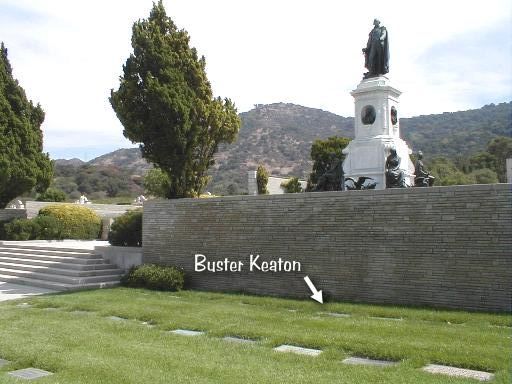
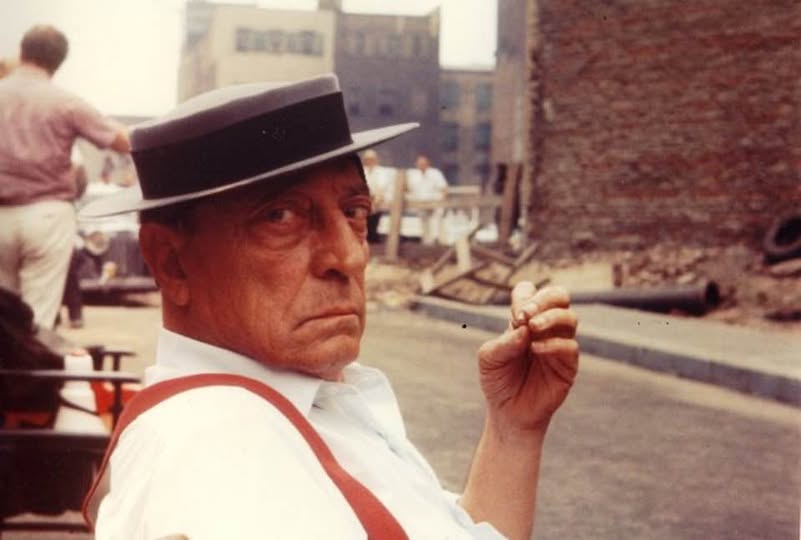
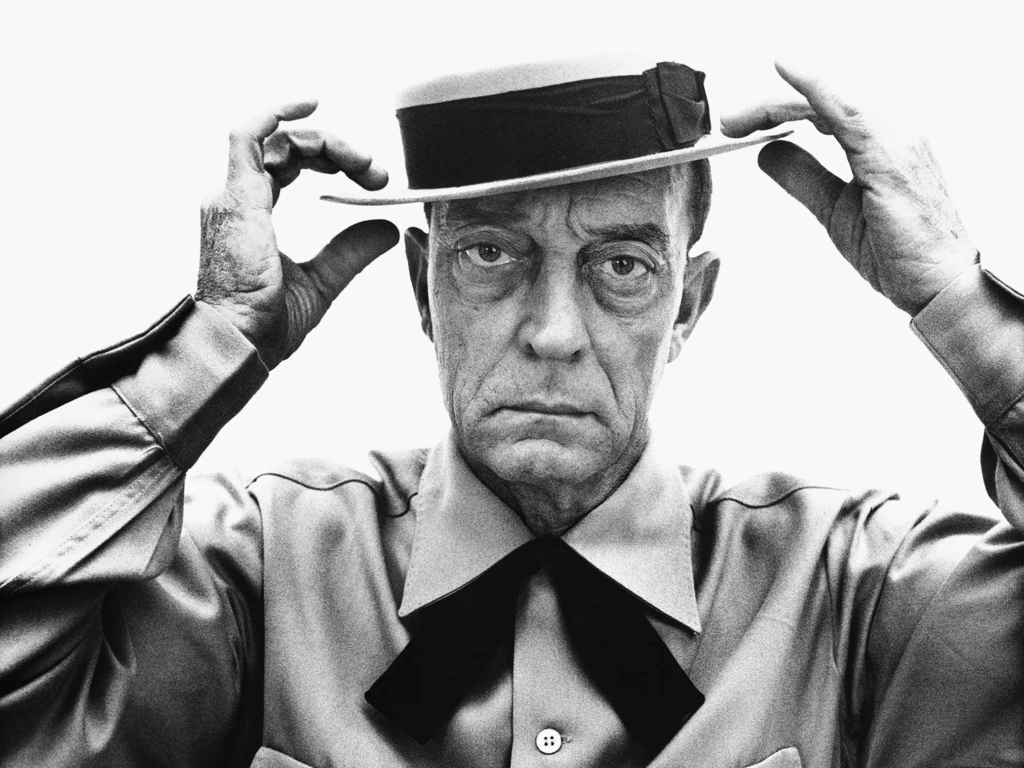
Let’s honor the man that made us laugh—Buster Keaton
at FindaGrave.com