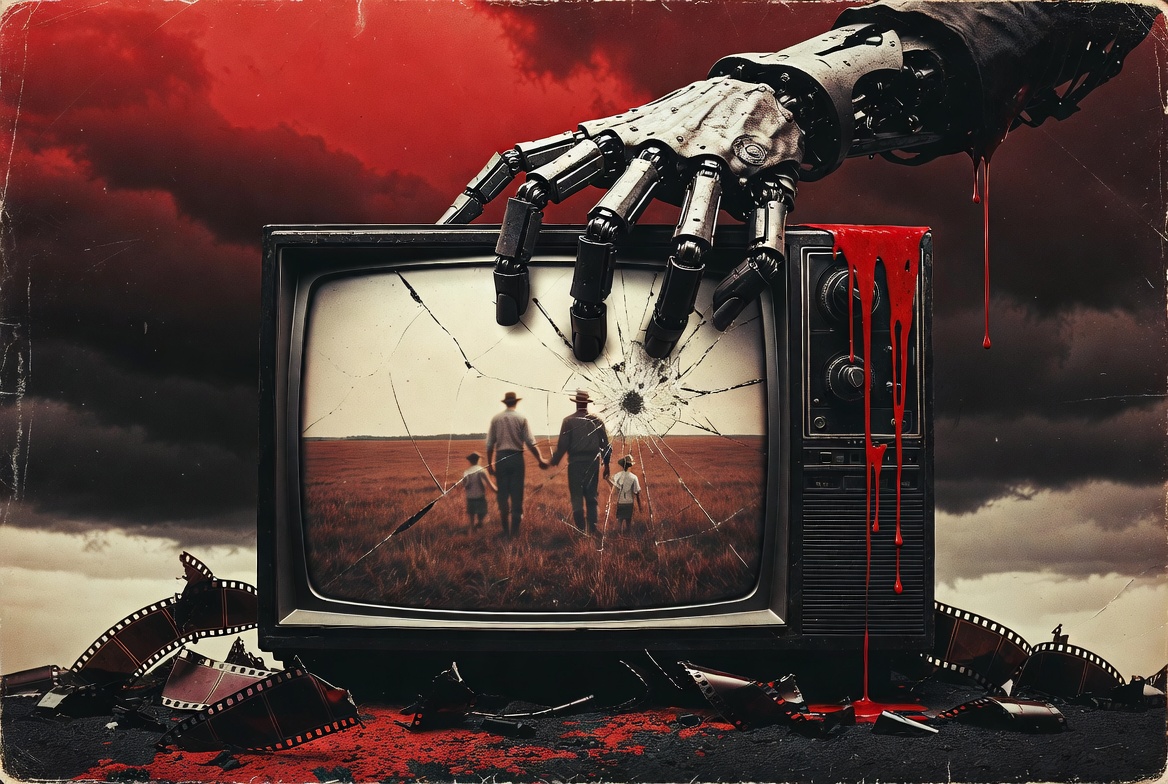
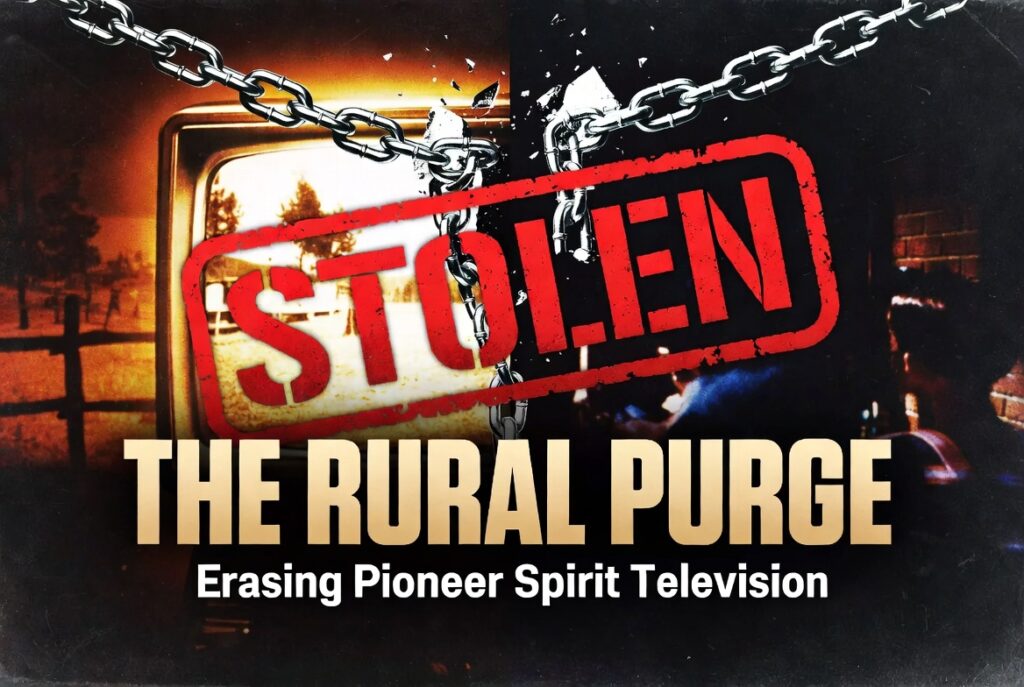
How Hollywood’s Machine Erased Pioneer Spirit Television to Elevate Non-Ethnic American Narratives
Picture the sturdy pioneers of our Ethnic American forbearers—those free White persons of good moral character enshrined in the 1790 Naturalization Act, who left the Old World behind to tame the unforgiving Midwest heartlands, carved productive farms from virgin soil with nothing but axe, plow, and unyielding will, raised large families on bedrock principles of self-reliance, small-town fellowship, unapologetic optimism, faith in God and country, and the quiet dignity of honest labor that turned wilderness into the greatest republic the world has ever known. They embodied the pioneer spirit in its purest form: independent to the core, rooted deeply in tradition and kin, fiercely skeptical of urban sophistry, centralized authority, and any force that would erode the folkways, family structures, and moral clarity that had built this nation from nothing. These were not abstract ideals—they were lived reality for generations of Ethnic Americans whose blood and sweat literally forged the heartland. For decades after television burst into American homes in the postwar boom, that exact same pioneer spirit flickered warmly across the small screen in wholesome rural comedies, epic westerns, family dramas, and heartfelt variety hours. These programs celebrated heartland values, unbreakable family bonds, American resilience in the face of hardship, frontier ingenuity, and the moral clarity of small-town life without a trace of shame or apology. They were the final, flickering cultural stronghold reflecting our Ethnic American soul on the small screen—the last place where our people could see ourselves, our history, and our foundational narratives unfiltered and unashamed.
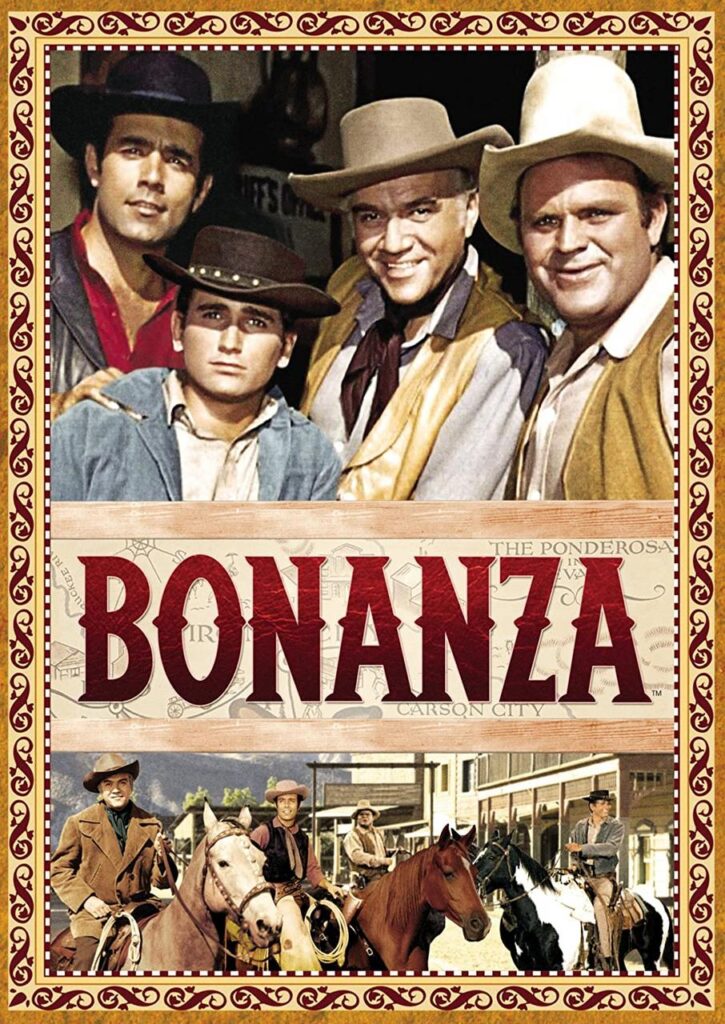
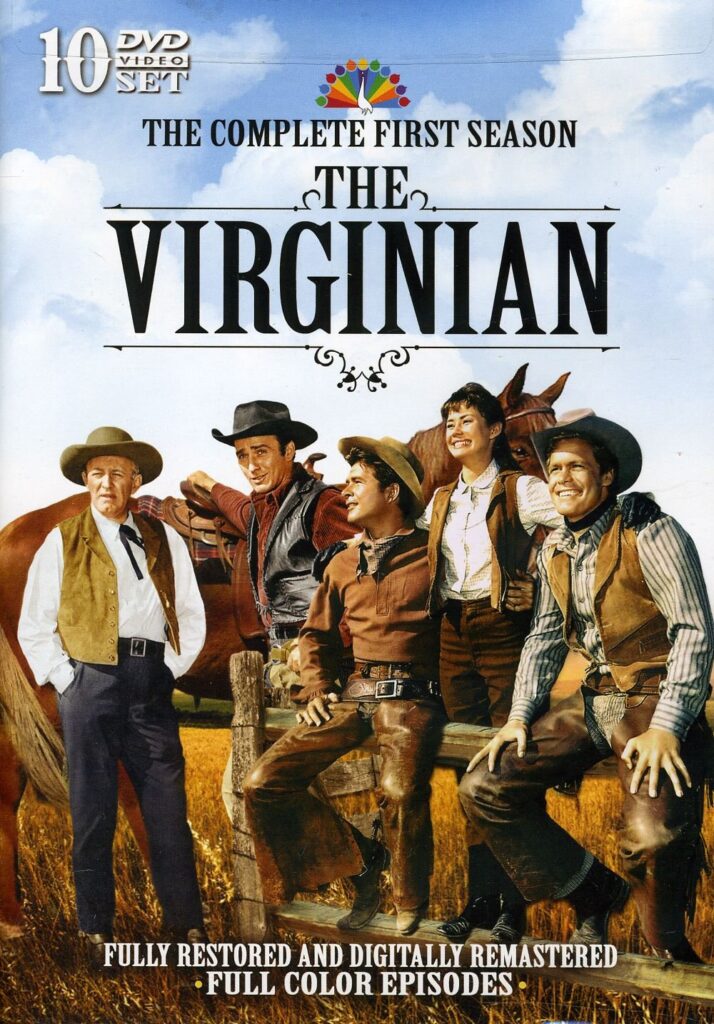
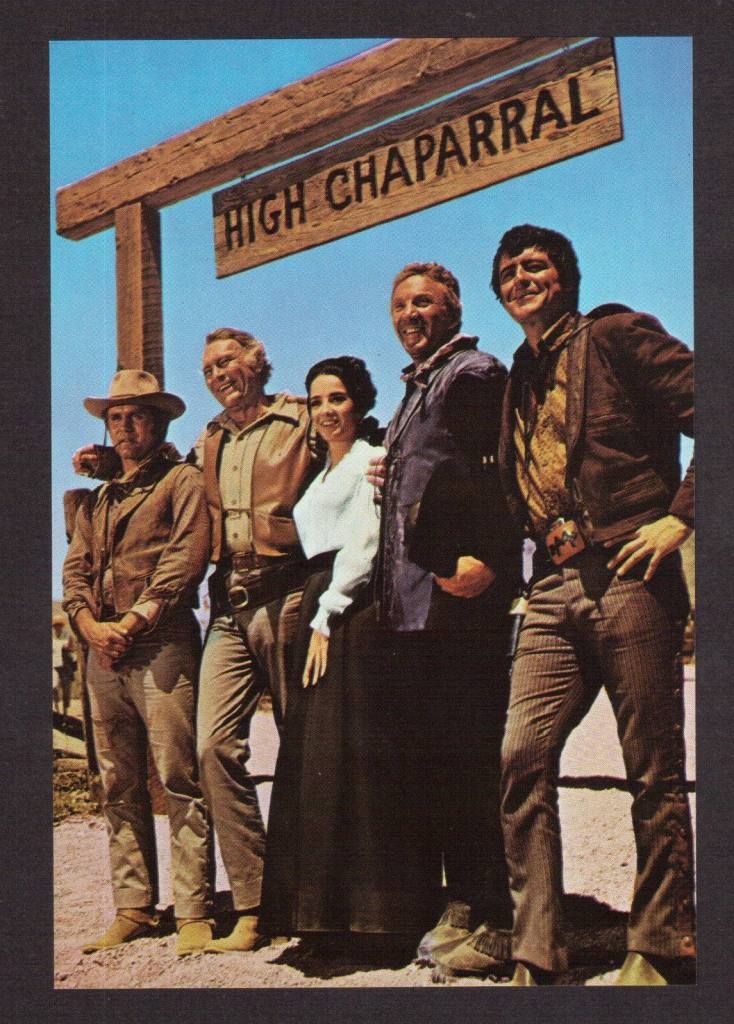
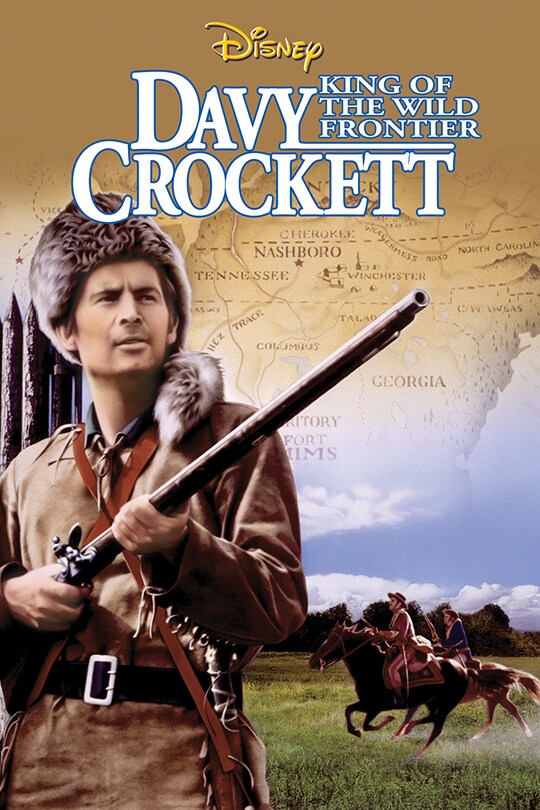
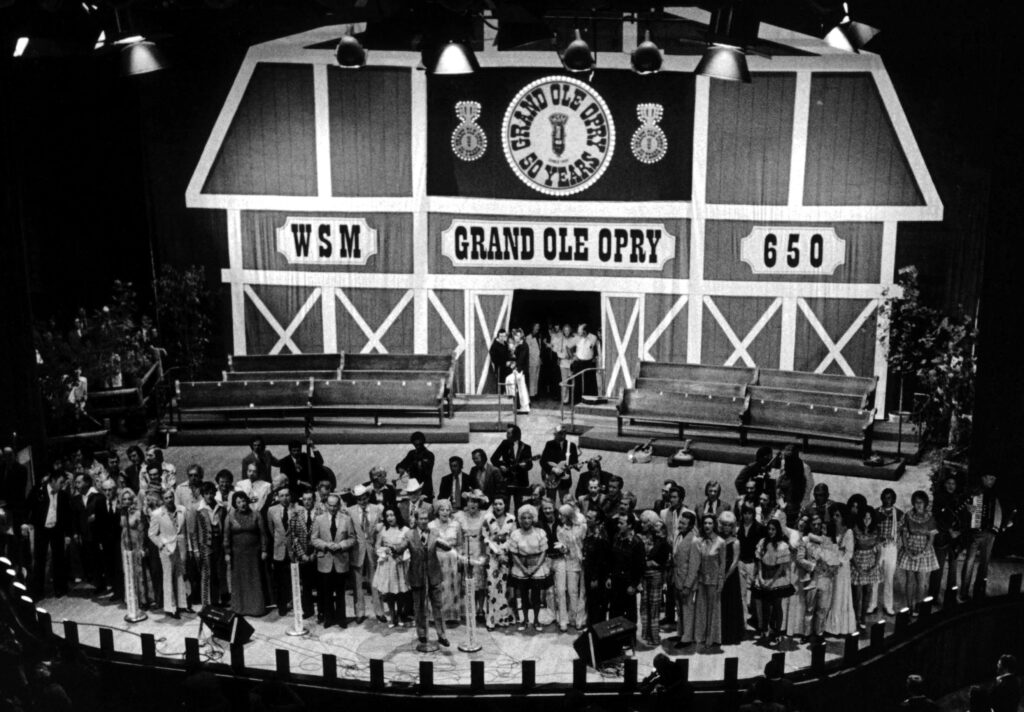
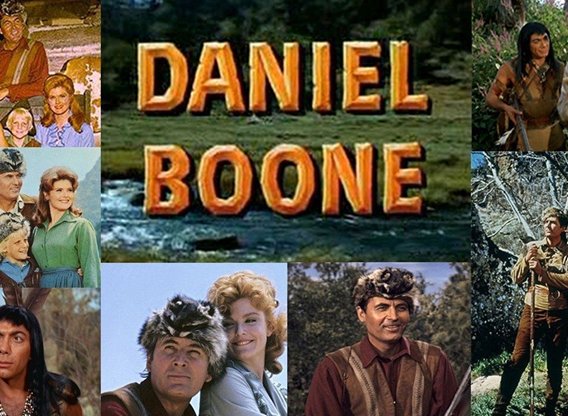
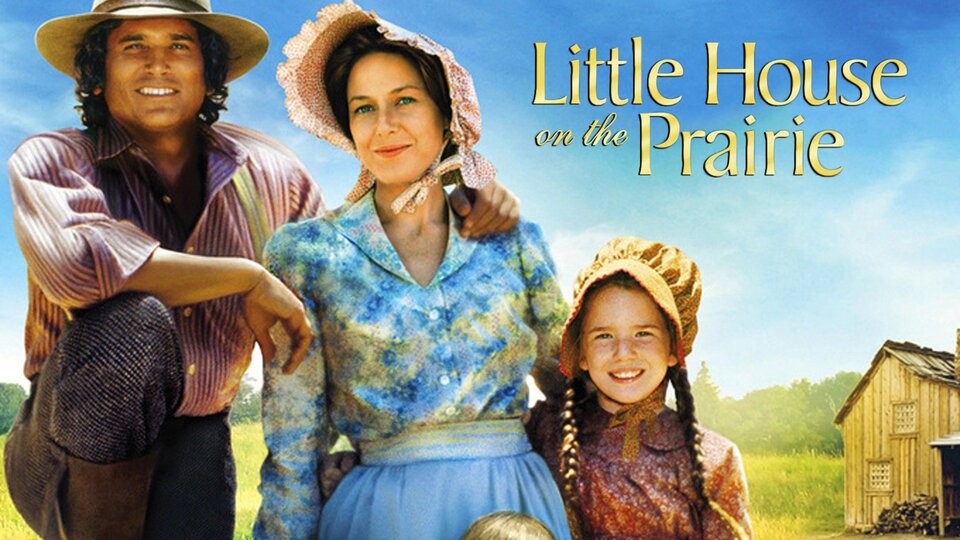
Shows like Bonanza, the epic saga of the Cartwright family carving out a vast ranch empire on the Ponderosa through sheer grit, brotherly loyalty, moral showdowns against outlaws and corrupt officials, and the self-made success that rewarded honest labor; Daniel Boone, which brought to vivid life the legendary frontiersman’s courage in taming the Kentucky wilderness, forging alliances through strength and fairness, and defending settler communities with ingenuity, justice, and unapologetic pioneer resolve; Davy Crockett, Walt Disney’s iconic miniseries that instilled an entire generation with the ballads of the “King of the Wild Frontier,” patriotic expansionism, rifleman heroism, and the unyielding American spirit that conquered a continent; Little House on the Prairie, the tender chronicle of the Ingalls family’s homesteading struggles on the vast plains, their unbreakable faith-driven resilience against blizzards, locusts, and economic hardship, their commitment to education, moral uprightness, and the simple joys of family unity that sustained them through every trial; The Virginian and The High Chaparral, sweeping tales of ranch life, frontier justice, and the civilizing of the West through personal honor and hard work; and the country music showcases tied directly to the Grand Ole Opry tradition—these were far more than mere entertainment for a nation still recovering from war and depression. They were cultural lifelines, weekly reminders of who we were as Ethnic Americans and what our forbearers had accomplished. They carried forward the pioneer ethos that had defined our people since the founding stock crossed stormy oceans and claimed the frontier for themselves and their descendants.
Yet by the late 1960s, the same pernicious machine that had hijacked Thomas Edison’s inventions in the silent era, exploited Shirley Temple’s innocence as I detailed in Part 10, framed Roscoe “Fatty” Arbuckle in Part 3, silenced defiant Ethnic American stars like Louise Brooks and Frances Farmer in Part 5, and crushed Mack Sennett and Mabel Normand’s comedy empire in Part 2 had turned its cold, calculating gaze squarely to the television era. Hollywood’s consolidating forces—studio executives, network tastemakers, New York advertisers, producers, and the cultural revolutionaries who had infiltrated every level of the industry—launched a deliberate, coordinated, industry-wide assault. They did not merely cancel a few individual programs here and there; they purged the pioneer spirit itself from mainstream television with ruthless efficiency. In its place they installed programming that elevated urban struggles, minority experiences, countercultural edginess, moral ambiguity, and identity-based narratives as the new “sophisticated,” “relevant,” and “cool” standard for what American life should look like.
This was no organic market evolution driven by innocent viewer demand or changing tastes. It was calculated cultural engineering on a massive, systematic scale—the television culmination of the gangster hijacking I first exposed in Part 1. The goal was nothing less than the reshaping of American identity itself, wrenching it away from our foundational heartland narratives and toward a new hierarchy that valued everyone else’s stories as cooler, more relevant, more “real,” and infinitely more worthy of elevation and celebration. Nothing—no policy, no law, no overt act of discrimination—could be more profoundly racist in its effect than this systematic replacement of our Ethnic American history, identity, narratives, and pioneer spirit with outgroup experiences. We were being forced, week after week in our own living rooms, to see the world, our values, and even ourselves through the lens of others while our own heritage was dismissed as backward, outdated, square, or irrelevant. As an Ethnic American heir to those Midwest farming roots and self-made creators who built this land without apology or permission, I see this purge as one of the most devastating betrayals in our entire cultural history. The screen, once a warm mirror held up proudly to our people’s optimism, independence, small-town decency, and unshakeable pioneer resolve, became a weapon deliberately turned against us. In this installment I expose exactly how the Hollywood machine—operating in concert across every major network, studio, and advertising powerhouse—erased our pioneer television to tighten its iron grip over the national psyche once and for all. The same forces that stole Edison’s patents, crushed wholesome visions like Disney’s, and silenced our defiant stars now targeted the final redoubt of authentic Ethnic American storytelling on the small screen.
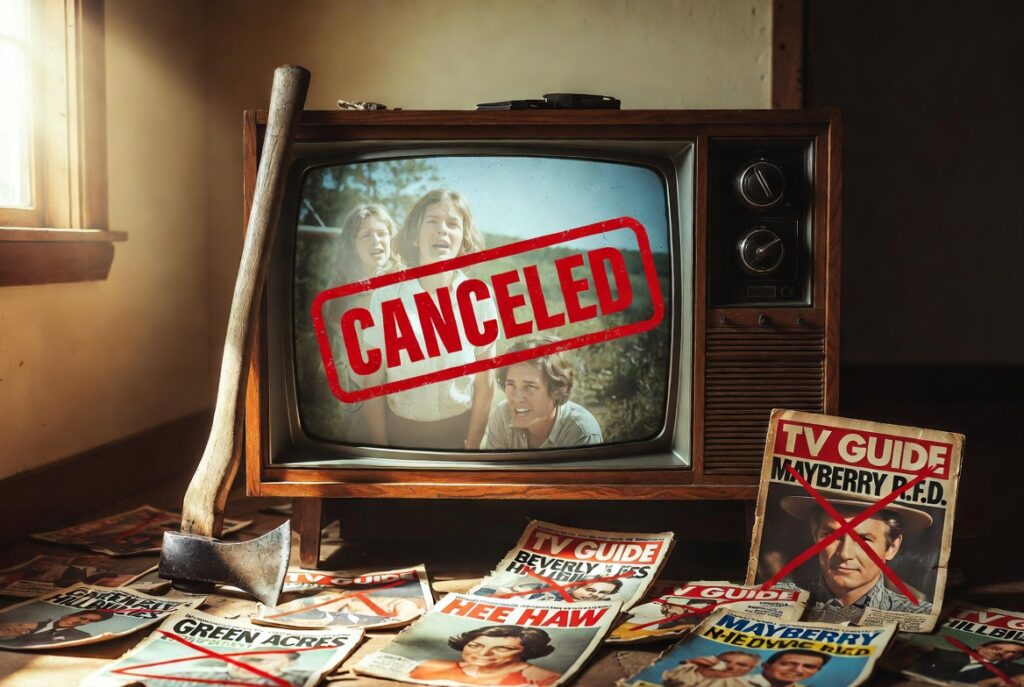
The Purge Itself: Axing the Heartland Stronghold
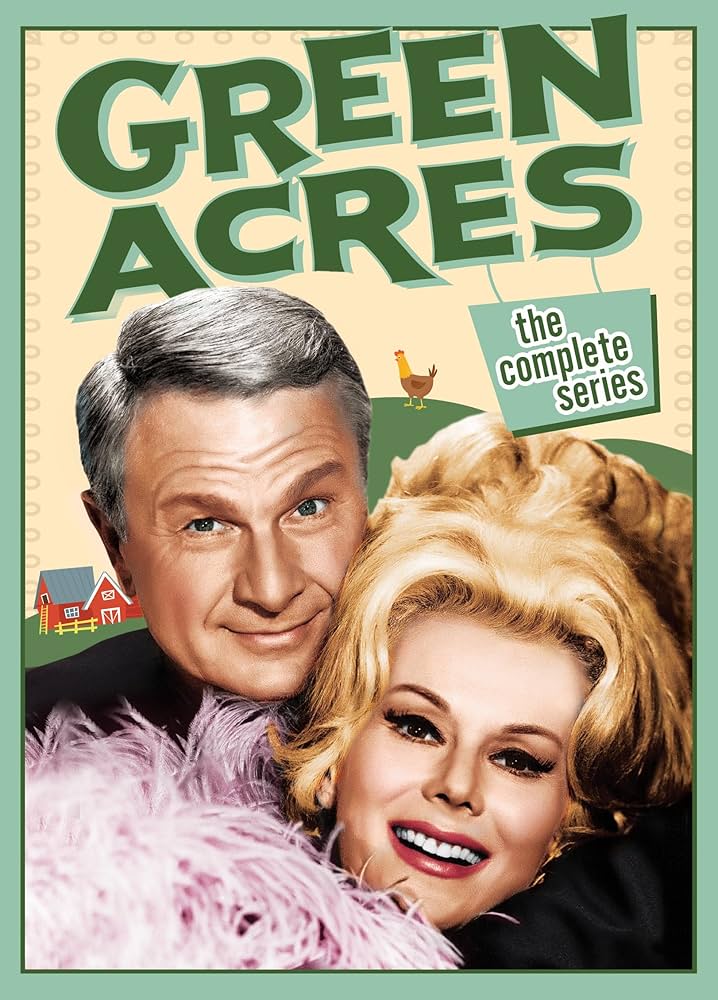
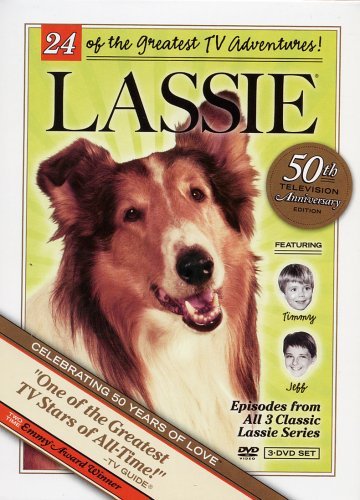
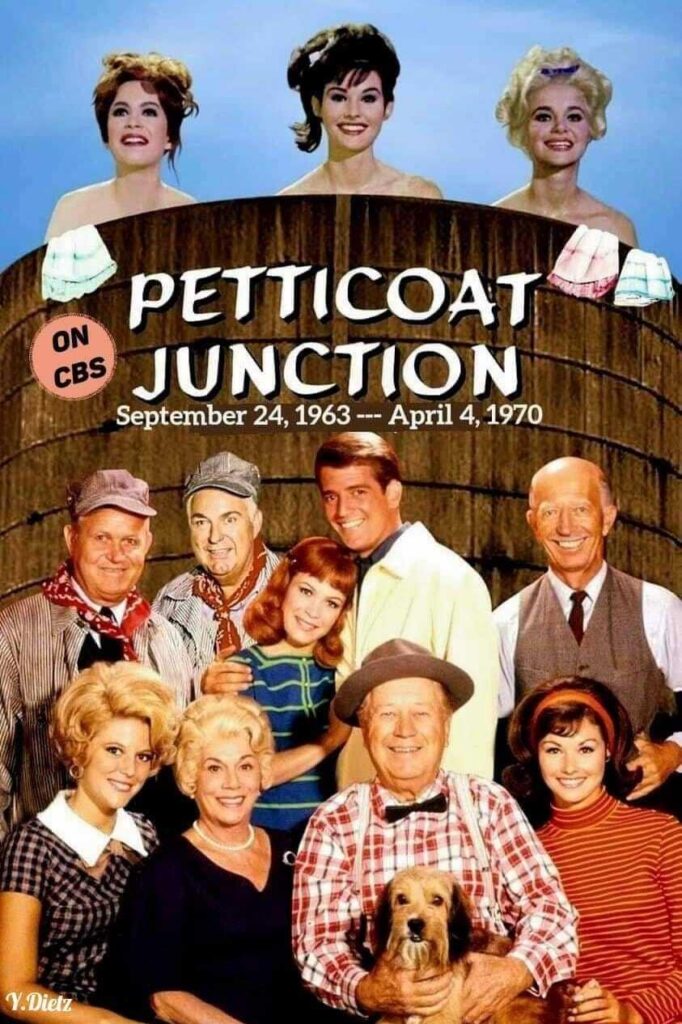
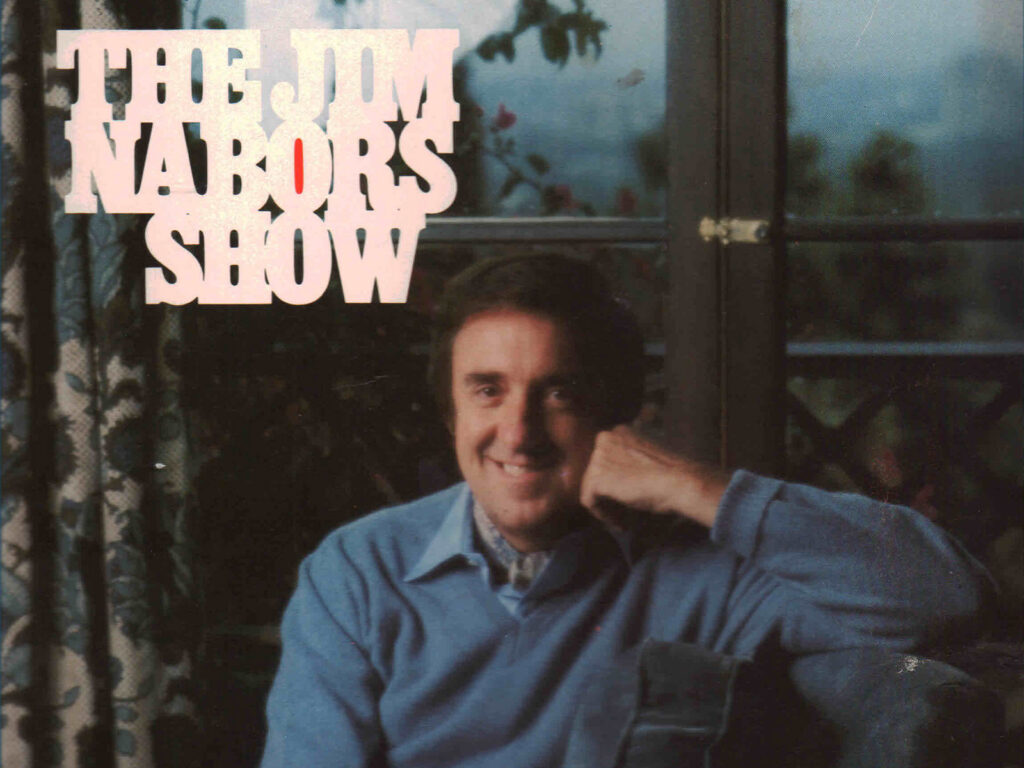
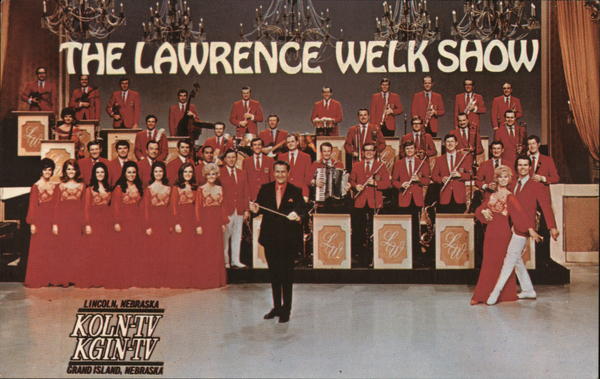
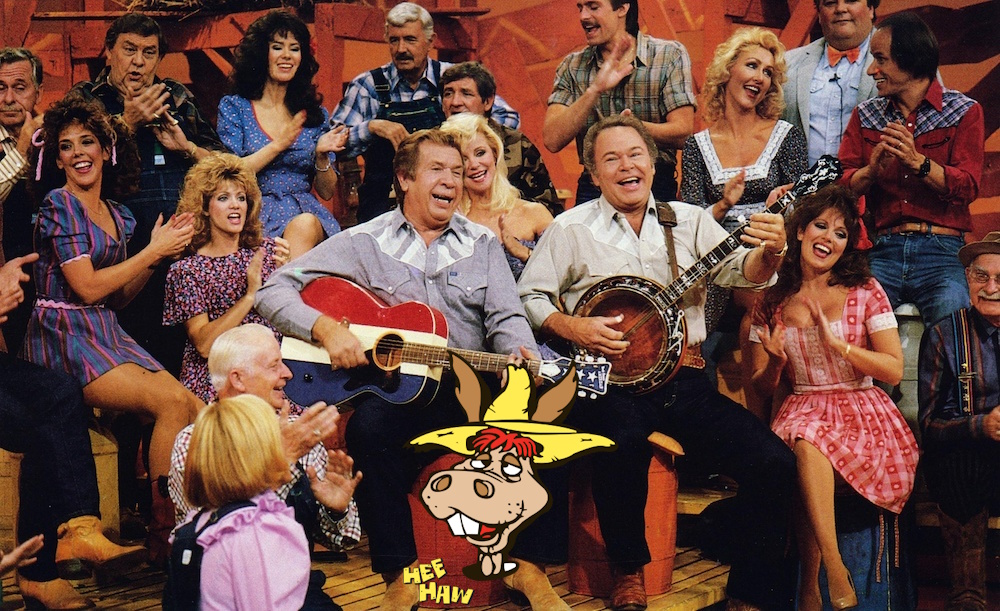
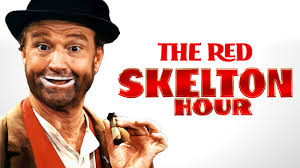
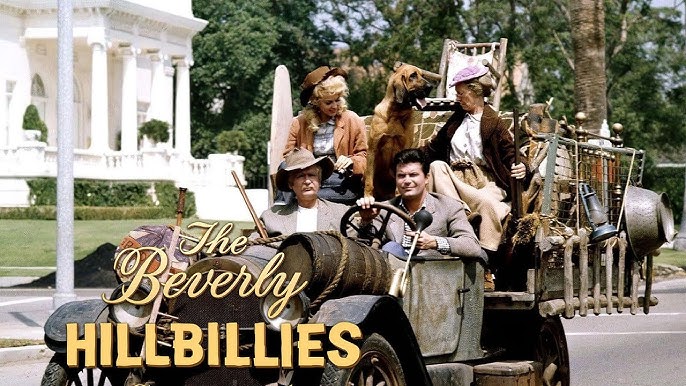
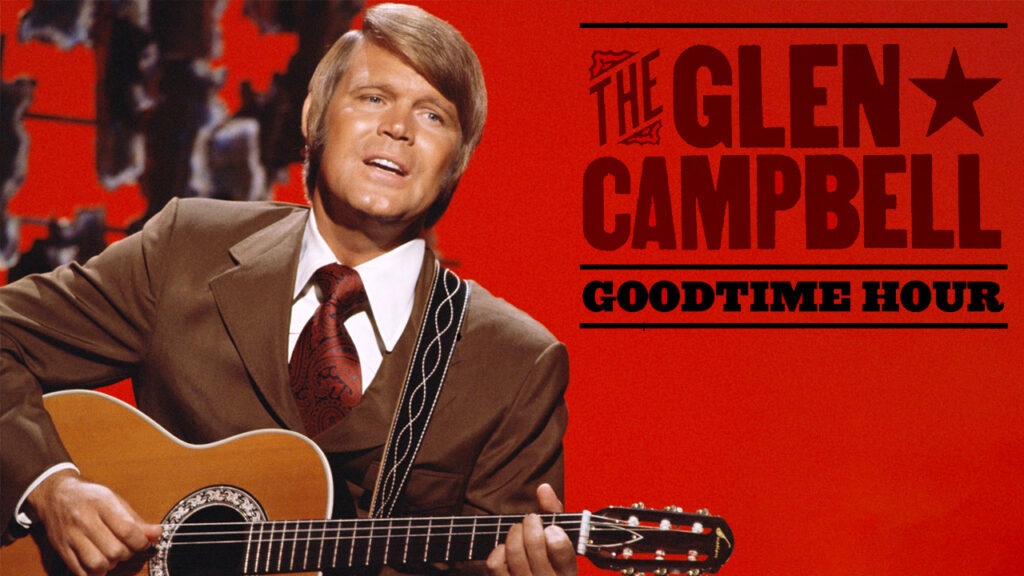
In the early 1970s—specifically the brutal 1970-71 and 1971-72 seasons—a ruthless wave of cancellations swept through the entire television industry like a cultural wildfire. It targeted rural, small-town, western, and traditional programming with an ideological precision that no mere dip in ratings or natural attrition could possibly explain. Beloved staples that had defined prime time for years were axed en masse: The Beverly Hillbillies, Green Acres, Petticoat Junction, Mayberry R.F.D., Hee Haw, Lassie , and an entire roster of variety shows featuring wholesome entertainers like Lawrence Welk, Red Skelton, Jim Nabors, and Glen Campbell. Long-running westerns that embodied frontier self-reliance and family-oriented series with loyal—often older, rural, and working-class—audiences were discarded despite still delivering solid numbers. The purge was not limited to one network; it was industry-wide, with ABC and NBC joining the assault by dropping their own rural-skewing fare.
Let us linger on what was lost, because each of these shows was a weekly affirmation of Ethnic American values that the machine could no longer tolerate. The Beverly Hillbillies had been a genuine ratings juggernaut since its 1962 premiere, charming tens of millions with its fish-out-of-water humor that gently but firmly affirmed heartland common sense, family loyalty, and resourcefulness over the pretentious absurdities of Beverly Hills elites. The Clampett family—wise, self-made patriarch Jed, his loyal kin, and their unpretentious ways—celebrated honest windfalls from honest labor (that oil strike), neighborly help without government strings attached, and the eternal truth that simple folk wisdom outshone urban sophistication every single time. Episodes routinely mocked city slickers while elevating rural ingenuity; the show was pure Ethnic American wish fulfillment. Green Acres took the city-to-country dream and turned it into hilarious, enduring affirmation of rural self-sufficiency; Oliver Douglas’s endless comic battles with farm life only proved how the land and its plain-spoken people triumphed over bureaucratic nonsense and urban pretension. Petticoat Junction, set in the tight-knit community of Hooterville, portrayed the Bradley sisters and their quirky neighbors as embodiments of small-town family values, where the Cannonball train symbolized connection rather than isolation and where hard work mixed with laughter sustained generations without drama or degeneracy.
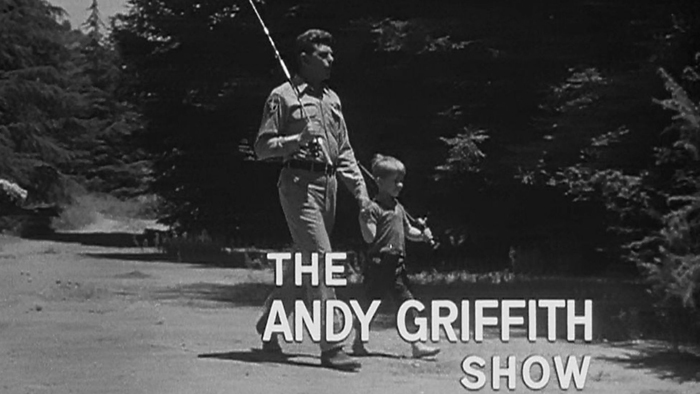
Mayberry R.F.D., the direct continuation of the Andy Griffith Show legacy, offered viewers a serene vision of small-town America where Sheriff Andy’s quiet moral authority, neighborly gossip at Floyd’s barbershop, Aunt Bee’s home-cooked values, and the absence of modern vice held society together in perfect harmony. Hee Haw, tied directly to the Grand Ole Opry tradition, brought cornpone comedy, foot-stomping country music, and unapologetic working-class pride straight into living rooms across the heartland—honoring the very folk culture our Ethnic American ancestors had carried from Appalachia to the Midwest prairies. Lassie , that timeless tale of a loyal collie protecting young Timmy and the Martin family on their rural farm, embodied frontier resilience, the sacred bond between man, beast, and land, and the pioneer truth that loyalty and courage conquer every obstacle. Variety hours like Lawrence Welk’s champagne music or The Red Skelton Show delivered clean, optimistic, vaudeville-rooted entertainment that our people had cherished for generations.
The westerns that fed us narratives of self-reliant pioneers conquering the frontier suffered perhaps the heaviest losses. Bonanza, after fourteen seasons of Cartwright family heroism, moral clarity, and empire-building through honest ranch labor, was finally canceled in 1973 amid declining ratings exacerbated by Dan Blocker’s death—but its demise perfectly symbolized the machine’s rejection of frontier epics that celebrated White settler ingenuity and moral showdowns. Daniel Boone dramatized the legendary scout’s expeditions, alliances, and defense of Kentucky wilderness with unapologetic pioneer pride. Even earlier Disney touchstones like Davy Crockett reruns, with their rousing “King of the Wild Frontier” ballads, instilled patriotic self-made heroism in millions of Ethnic American children. Little House on the Prairie , which premiered on NBC in 1974 just after the worst of the purge and managed to survive longer thanks to its heartfelt depictions of homesteading struggles, faith-driven family resilience, prairie values, and moral lessons drawn straight from Ethnic American experience, stood as a lonely holdout amid the broader erasure—proof that the machine tolerated occasional rural fare only when it no longer dominated the cultural conversation.
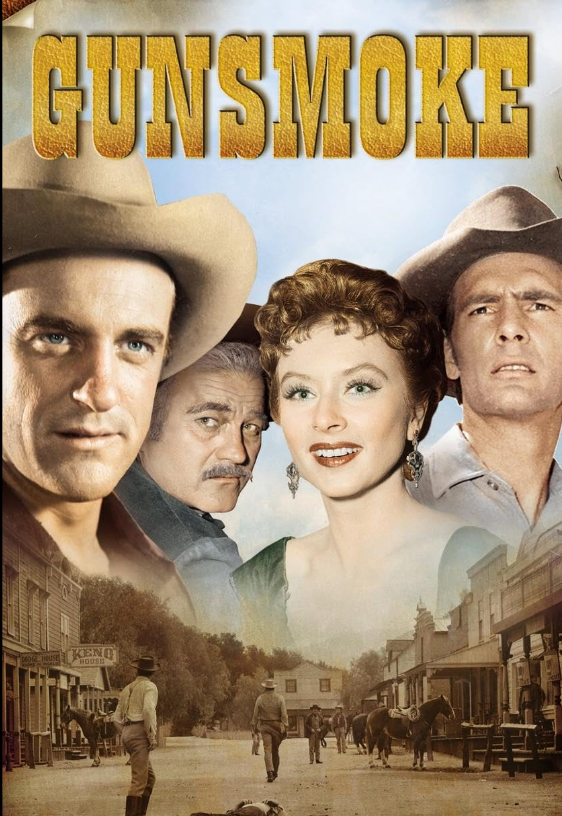
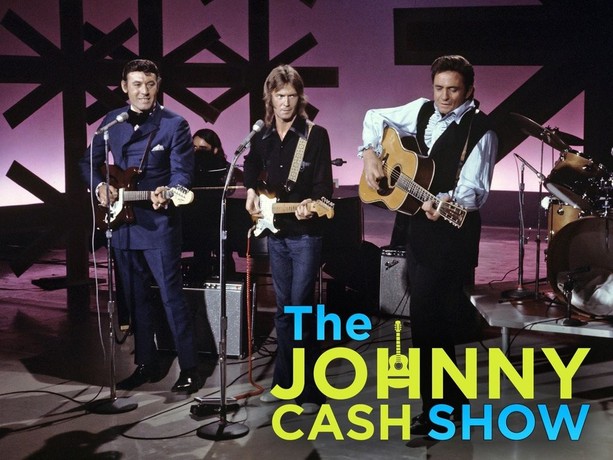
Actor Pat Buttram, who played the scheming but lovable Mr. Haney on Green Acres, captured the absurdity and malice of the moment with his immortal quip: they canceled “everything with a tree in it—including Lassie.” The line was not mere hyperbole; it reflected a coordinated industry decision to clear the cultural deck of anything evoking pioneer landscapes, small farms, dirt roads, front porches, or unpretentious Americanism. Ratings data at the time revealed the cynicism: many of these programs were still pulling strong numbers—Mayberry R.F.D. finished its final season at number 15 overall, Hee Haw at 16—yet they were sacrificed anyway because their audiences skewed older, rural, and heartland—demographics suddenly deemed undesirable by advertisers chasing the young, urban, affluent 18-to-49 viewer. Even long-running westerns like The Virginian and The High Chaparral on NBC faced the axe, while Gunsmoke barely survived through special pleading. Variety and music programming tied to our Ethnic American roots suffered the same fate: shows connected to the Grand Ole Opry spirit, The Johnny Cash Show, and The Glen Campbell Goodtime Hour were canceled or pushed into syndication. This was not audience-driven evolution. It was top-down cultural fiat from executives across the Hollywood machine who had decided our stories no longer served the new agenda.
The Broader Hollywood Machine’s Role: Engineering a Pernicious Cultural Flip
This purge was never the work of a single network or a rogue executive acting in isolation. It represented a pernicious, industry-wide consensus among Hollywood producers, studio heads, Madison Avenue advertisers, and tastemakers who collectively deemed pioneer-rooted content outdated, unsophisticated, and demographically undesirable. The shift aligned perfectly with the rise of so-called “socially relevant” programming that prioritized messaging over wholesome escapism. Norman Lear’s empire led the charge, flooding the airwaves with shows that injected generational clashes, urban ethnic tensions, bigotry debates, countercultural attitudes, and moral ambiguity into prime time. What had been gentle affirmation of independence, optimism, and traditional values gave way to edgy narratives that highlighted systemic flaws, identity struggles, and sophisticated cynicism. The machine did not hide its intent; networks and advertisers openly pursued younger, more affluent urban and suburban demographics—those prized 18-to-49 viewers with spending power—while dismissing heartland audiences as older, less desirable, and culturally stuck in the past.
Norman Lear’s All in the Family became the flagship, with Archie Bunker’s working-class White ethnic bluster constantly challenged and often ridiculed by his liberal son-in-law “Meathead” and feminist daughter Gloria. Episodes like “Cousin Maude’s Visit” brought in the liberal Maude Findlay to lecture the Bunkers on tolerance, feminism, and social progress, framing traditional views as ignorant and outdated. Spin-offs like Maude doubled down, tackling abortion, menopause, and racial issues with unapologetic progressive flair. Then came the elevation of non-Ethnic American experiences as the vibrant new cultural center: Sanford and Son centered a Black junk dealer and his son in Watts, portraying their streetwise hustles and family dynamics with humor that framed urban Black life as authentic, resilient, and worthy of our empathy and attention. Good Times followed a Black family in Chicago housing projects, tackling poverty, racism, and classism head-on while celebrating their endurance—narratives that positioned minority struggles as the “real” American story we all needed to learn from.
Norman Lear’s spin-off from All in the Family, the pernicious The Jeffersons, shoved one of the first prominent and recurring interracial married couples straight into millions of American living rooms: Helen Willis (Black, played by Roxie Roker) and Tom Willis (White, played by Franklin Cover), the upscale neighbors to George Jefferson. Week after week, the machine portrayed their mixed marriage as harmonious, sophisticated, and downright aspirational — the height of enlightened modernity. George’s blunt objections were relentlessly mocked as the ignorant bluster of an outdated bigot, while the Willises were held up as classy, progressive, and culturally superior. This couple didn’t just appear on screen; they normalized interracial marriage as the natural, inevitable, and morally advanced evolution of American life. Through their constant presence, the Hollywood machine taught an entire generation of younger viewers — including our own children — that crossing racial lines in marriage wasn’t merely acceptable, but the classy, hip, and forward-thinking thing to do. It was deliberate cultural engineering, another dagger in the heart of our Ethnic American pioneer heritage, pushing the browning of America as the sophisticated future while framing our desire to preserve our own folkways as backward prejudice.
This brazen normalization of interracial marriage on prime-time television flew directly in the face of long-standing American traditions and state anti-miscegenation laws that had protected our Ethnic American folkways for centuries. Those laws remained enforceable until the Supreme Court’s 1967 Loving v. Virginia decision; yet the Hollywood machine launched its aggressive cultural deconstruction and promotion of race mixing only 3–8 years later in the early-to-mid 1970s. It was a deliberate, rapid assault on the very boundaries our pioneer forebears had maintained for generations.
Chico and the Man introduced a Mexican-American mechanic forming a cross-cultural bond with a grumpy old White garage owner, pushing themes of tolerance, integration, and harmony across ethnic lines as the path to personal redemption. What’s Happening!! depicted Black teenagers navigating inner-city life with friendship, street smarts, and youthful energy, normalizing urban youth culture as cool and relatable. Even Saturday-morning cartoons like Fat Albert and the Cosby Kids brought urban Black children’s adventures and moral lessons into homes, addressing bullying, poverty, and social issues in ways that made minority experiences educational and aspirational for all viewers. And then there was Diff’rent Strokes, perhaps the most blatant vehicle for the integration gospel: a wealthy White millionaire adopts two Black boys from Harlem, and episode after episode hammered home that this blending of worlds created a happier, more enlightened, more morally complete family. The message was relentless—integration was not merely good policy; it was transformative, redemptive, the very fulfillment of America’s cultural destiny. We were literally invited into our living rooms every week to watch “these people” as lovable, wise, and essential to our own moral growth.
Throughout these programs the Ethnic American—rural, heartland, old-stock, pioneer-descended—was consistently portrayed as backwards, idiots, inept, hopelessly “square,” or outright bigoted relics who needed enlightenment from outgroup wisdom to become hip, modern, and relevant. White characters were often uptight bigots, clueless parents, or outdated holdovers who learned tolerance, sensitivity, and cultural appreciation from their minority counterparts. To be cool, to be relevant, to truly participate in the American experiment of the 1970s, we were told we had to embrace the “browning of America”—to celebrate urban grit, minority worldviews, countercultural edginess, and identity-focused struggles as superior, more authentic, and intellectually advanced. Pioneer values of self-reliance, small-town virtue, faith, family autonomy, and quiet optimism were recast as naive, regressive, intolerant, or embarrassing relics of a bygone, less enlightened era. Westerns, once symbols of American expansion, self-made heroism, and moral clarity against lawlessness, faded as parents’ groups and critics targeted “violence” and “outdated” portrayals. Variety hours rooted in traditional entertainment yielded to formats amplifying contemporary “issues.” This was not neutral programming choice; it was deliberate cultural reorientation engineered by the Hollywood machine. The same consolidating forces that had crushed Walt Disney’s vision of wholesome family entertainment and exploited child stars now weaponized television to erode the foundational Ethnic American ethos at its core. Rural life—with its emphasis on faith, hard work, community self-governance, and skepticism of centralized authority—was deliberately sidelined. In its place rose content that integrated and celebrated alternative experiences, making the struggles and sensibilities of other groups the default “American” story while portraying our heartland heritage as something to outgrow, mock, or transcend entirely. Advertisers, producers, and studio executives across the board embraced this shift because it aligned perfectly with the post-1960s cultural revolution: urban was “now,” countercultural was “edgy,” identity-focused was “relevant.” Pioneer spirit television simply did not fit the new template, and so it had to go.
Cultural Theft and Long-Term Erasure: Purging the Pioneer Spirit
The long-term damage of this purge runs far deeper than any single cancellation or lost ratings point. By systematically removing these shows from the airwaves and replacing them with the new urban-centric, identity-driven programming, the Hollywood machine stole the pioneer spirit from mainstream television and accelerated the disconnection of younger generations from their Ethnic American roots. Heartland values—independence, reverence for tradition, the dignity of manual labor, moral clarity, family autonomy, and the moral clarity of small-town life—became increasingly rare on screen. In their place rose narratives that diminished rural and working-class existence as provincial, problematic, or inherently backward. The very imagery of trees, farms, dirt roads, front porches, and open prairies—symbols of our people’s endurance and achievement—vanished from prime time, replaced by apartment buildings, street corners, housing projects, and stories soaked in moral ambiguity and identity politics. We were fed a steady, unrelenting diet that to be hip, modern, enlightened, and culturally fulfilled, we had to accept and even celebrate the browning of America. Integration was portrayed not as a neutral social experiment with complex trade-offs but as a great, redemptive, almost sacred force—bringing “these people” into our homes week after week through Diff’rent Strokes, Chico and the Man, and the rest, showing harmonious blending as the path to personal and national enlightenment. Of course, as Ethnic Americans, we reject this narrative outright. Our pioneer heritage is not something to dilute, transcend, or apologize for; it is the bedrock of this nation’s greatness, the source of its strength, and no amount of Hollywood cultural engineering can erase the self-reliant spirit that still courses through our blood and memory.
This erasure fits perfectly into the broader “Stolen Screen” pattern I have documented throughout this entire series. Just as the gangsters had seized control of Edison’s patents and reframed scandals to sideline Ethnic American creators in the silent era, the television machine consolidated its dominance by reshaping what millions of Americans saw of themselves and their country every single night in their own homes. Pioneer television—the final redoubt of authentic storytelling for our people—was dismantled with surgical precision to clear cultural space for programming that advanced a new hierarchy in which our stories ranked lowest in relevance, prestige, and emotional power. The consequences have echoed across decades: declining cultural confidence in heartland communities, the normalization of portraying traditional Americanism as intolerant or obsolete, the entrenchment of a media landscape that prioritizes everyone else’s narratives as the sophisticated default while ours fade into caricature or irrelevance. Our foundational pioneer experiences were not merely de-emphasized—they were actively supplanted, making non-Ethnic perspectives the cool, modern, and morally superior standard while our own heritage was relegated to the dustbin of history. Nothing could be more racist in its ultimate effect than forcing an entire people to function culturally through the lens of outgroups while their own identity, history, and narratives are systematically erased from the screen that once belonged to them.
Tie-Back to the Series: The Culmination of Decades of Hijacking
This Rural Purge stands as the television-era climax of everything I have chronicled in prior installments of The Stolen Screen. From the patent thefts and nickelodeon takeovers that launched the gangster hijacking in Part 1, through the scandals that destroyed Mack Sennett and Mabel Normand’s comedy empire in Part 2, the framing of Roscoe Arbuckle in Part 3, the murders and smears against Thelma Todd in Part 7 and others, the exploitation of Shirley Temple’s childhood in Part 10, and the assaults on defiant Ethnic American women like Frances Farmer and Louise Brooks in Part 5—the pattern is unmistakable and relentless. The machine that silenced our film pioneers and crushed our early dreams of wholesome entertainment now targeted the small screen’s last bastions of our spirit with the same ruthless efficiency. Each prior outrage built the infrastructure of control, consolidated the power, and normalized the cultural theft that enabled this wholesale erasure of our pioneer inheritance on television. The exploitation of child stars, the framing of scandals to destroy careers, the crushing of visionary Ethnic Americans like Walt Disney, and the elevation of outsiders’ voices all converged here in the 1970s. The same executives, producers, and advertisers who profited from stealing our screen dominance in the motion picture age now engineered its final reconfiguration against our pioneer spirit in the television age. The stolen screen had claimed yet another victory.
Reclaiming Our Stolen Pioneer Narrative
I lament the stolen pioneer spirit with a heavy heart that grows heavier with every passing year and every new season of programming that continues the erasure. What was lost was not just a handful of entertaining programs or a few nostalgic hours of television; it was a vital, living connection to the heartland soul that defined Ethnic America for generations. The machine continues its work today, prioritizing “edgy,” urban, and diverse stories while our foundational narratives remain marginalized, caricatured, or erased entirely from the cultural conversation. Rural America is now either invisible or reduced to stereotypes of backwardness in the rare instances it appears at all. Yet recognition is the first, essential, non-negotiable step toward reclamation. We must acknowledge this deliberate purge for exactly what it was: a calculated theft designed to reshape the American story away from our people and toward everyone else’s, forcing us to see ourselves through outgroup eyes while our own history and identity were systematically removed from the screen. We must honor the rural shows that once reflected our values unapologetically—The Beverly Hillbillies, Green Acres, Petticoat Junction, Bonanza, Little House on the Prairie , Hee Haw, and all the rest—and we must push back against the ongoing hijacking of our cultural inheritance with every fiber of our being.
The screen was stolen from us, but our pioneer spirit endures in the blood, memory, character, and unyielding will of our people. It is time—long past time—to recognize the theft in full, to name it without apology or hesitation, and to begin the long, necessary, generational work of taking it back. In future installments of this series, I will continue exposing how the machine operates in our own era, how it still seeks to supplant our narratives with outgroup ones, and how we can fight back. The truth about our stolen legacy must reach every Ethnic American who refuses to surrender what our forebears built with their own hands and defended with their own lives. Our pioneer spirit is not gone—it has simply been driven underground. It is time to bring it back into the light.
© James Sewell 2026 – All rights reserved
A Personal Note from James
As I sit here in Scottsdale reflecting on this chapter, the weight of what was taken from us hits harder than ever. Growing up with reruns of those heartland shows on dusty UHF channels, I felt a direct line to my own ancestors—the farmers, the small-town sheriffs, the families who built what the machine now mocks. Watching the purge unfold in real time as a young man, I knew something sacred was being stolen, even if I couldn’t yet name the full conspiracy. This series is my stand against that theft. Our Ethnic American story is not over; it lives in us. If these words stir anything in you, share them, discuss them, and join the reclamation. The screen belongs to us again—one truthful article, one awakened mind at a time.
The rest of the series can be found at the following links:
- Part 1 of “The Stolen Screen” (The Nickelodeon Gang) is here
- Part 2 of “The Stolen Screen” (Mabel Normand and Mack Sennett) is here
- Part 3 of “The Stolen Screen” (Roscoe “Fatty” Arbuckle is here )
- Part 4 of “The Stolen Screen” (William Desmond Taylor & Mary Miles Minter) is here
- Part 5 of “The Stolen Screen” (Louise Brooks, Frances Farmer) is here
- Part 6 of “The Stolen Screen” (Thomas H. Ince) is here
- Part 7 of “The Stolen Screen” (Thelma Todd) is here
- Part 8 of “The Stolen Screen” (Wallace Reid) is here
- Part 9 of “The Stolen Screen” (The Black Dahlia) is here
- Part 10 of “The Stolen Screen” (Shirley Temple) is here
- Part 11 of “The Stolen Screen” (Clara Bow) is here
- Part 12 of “The Stolen Screen: (Carl “Alfalfa” Switzer) is here
- Part 13 of “The Stolen Screen” (Walt Disney) is here
Let’s remember what has been Stolen from Us