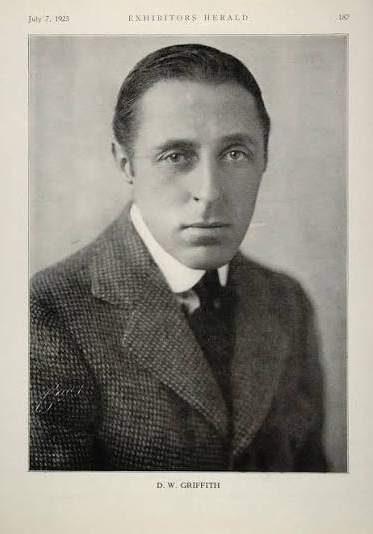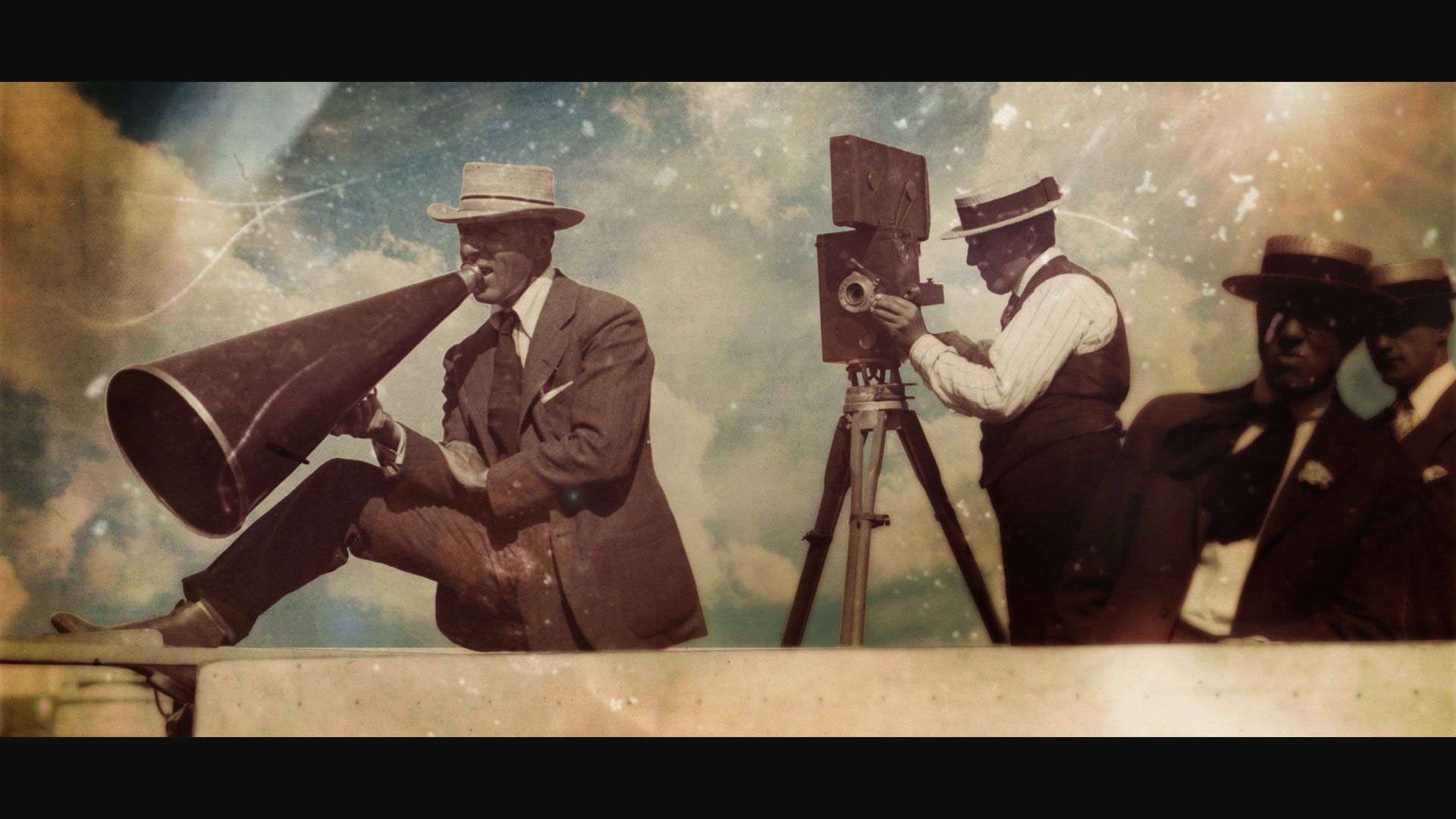
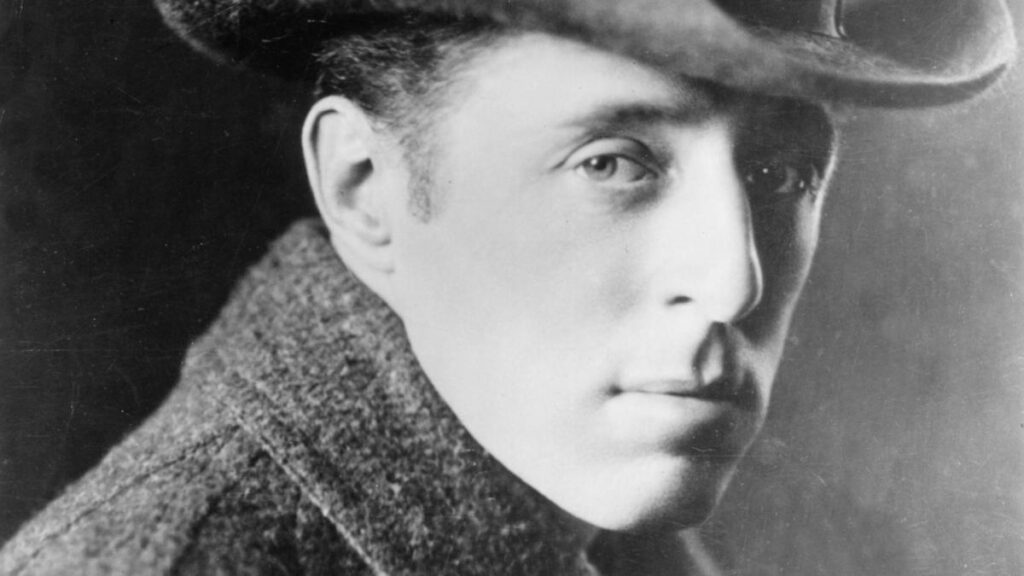
The Pioneer Director Whose Genius Built Hollywood Only to Be Vilified and Erased
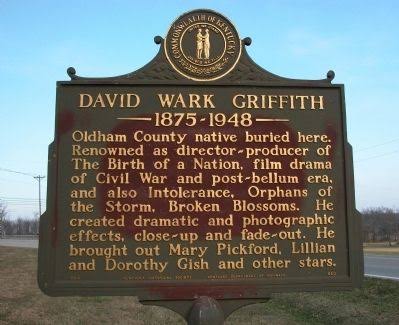
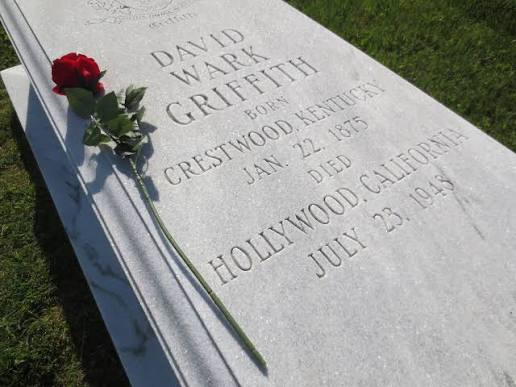
In the rolling hills and fertile bottomlands of Oldham County, Kentucky near La Grange, where Ethnic American pioneers of Welsh and English stock carved homesteads from the frontier with calloused hands, unyielding faith, and the indomitable spirit of self-reliance that built this Republic, David Wark Griffith entered the world on January 22, 1875. Born the son of Jacob “Roaring Jake” Griffith, a Confederate Army colonel who rode with Stonewall Jackson and embodied the martial valor and Southern honor of our founding stock, and Mary Oglesby Griffith, young David inherited the blood and sinew of the heartland. His family’s post-war dispossession—the plantation fortunes lost to Reconstruction’s betrayals—instilled the same pioneer resilience that defined free White persons of good moral character under the Naturalization Act of 1790. These were not rootless cosmopolitans or steerage arrivals from later waves; they were the descendants of those who tamed the wilderness, secured the Republic through deeds, and passed down a legacy of cultural continuity rooted in family, morality, and ethnic cohesion.
The early death of his father left the family in straitened circumstances, yet Griffith embodied the self-made ethos of our people. He clerked, traveled with stock theater companies, and nursed ambitions as a playwright and actor—pursuits that reflected the theatrical traditions of Ethnic American heartland entertainment before the machine seized and perverted them. This was the authentic pioneer stock that would one day give the silver screen its fundamental grammar, only for that gift to be hijacked, the innovator smeared, and his name reduced to a cautionary footnote while others reaped the empire he helped erect. As I have documented throughout this series, the pattern is as old as the nickelodeon dens of Part 1: An Ethnic American genius builds, the machine consolidates, then turns its stolen tools against the originators when their heartland truths become inconvenient.
Rise and Innovation: The Welsh-English Pioneer Who Gave Hollywood Its Narrative Language
Griffith’s theatrical background—years of touring, writing, and performing—equipped him with an instinctive understanding of story, emotion, and spectacle that the crude one-reel nickelodeon fare of the early machine could never achieve. When he joined the American Mutoscope and Biograph Company in 1908, first as an actor and then as a director, he began a revolution. Over the next five years he directed more than four hundred short films, systematically experimenting with and perfecting the techniques that would transform flickering curiosities into a genuine art form worthy of the American epic tradition.
He championed the close-up, moving the camera from static full-stage distance into intimate emotional revelation—letting audiences read the soul in an actor’s eyes rather than merely observe gestures from afar. He mastered cross-cutting and parallel editing, interweaving multiple lines of action to build unbearable tension and moral clarity, most famously in the climactic ride of the Klan and the interwoven battle sequences of his landmark work. He expanded the iris shot, the fade, and rhythmic montage to control pace and feeling with the precision of a composer. These were not incremental tweaks; they constituted the birth of cinematic language itself. Ethnic American ingenuity—rooted in the same narrative instincts that produced our founding documents and frontier sagas—created the visual grammar that every subsequent film would inherit.
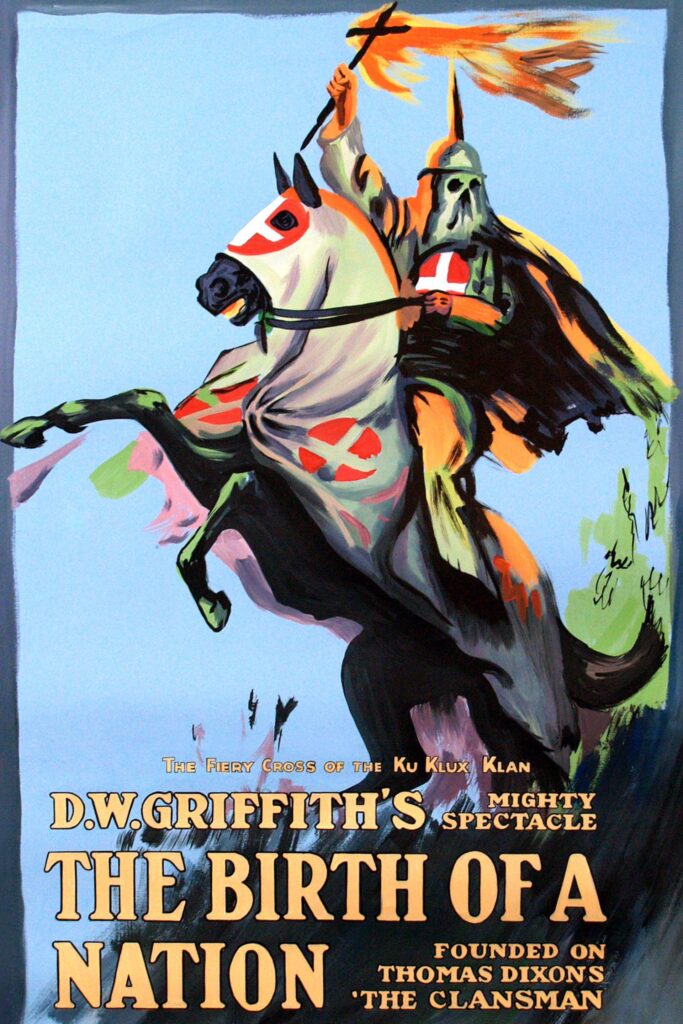
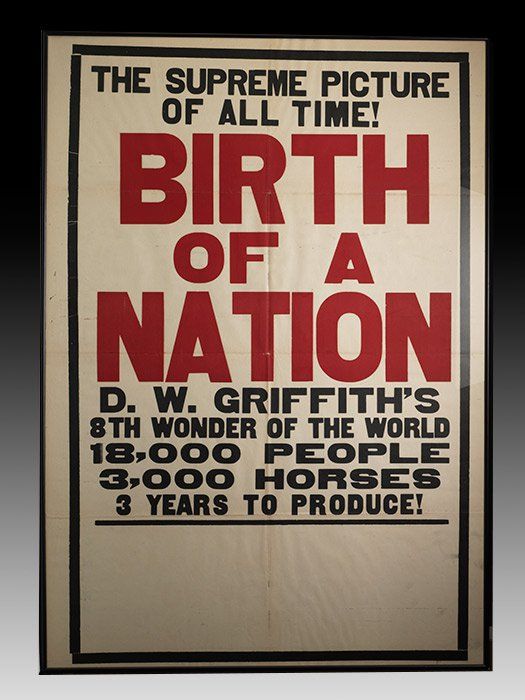
His 1914 feature Judith of Bethulia proved the viability of longer-form storytelling. Then came The Birth of a Nation in 1915. Adapted from Thomas Dixon’s novel The Clansman, the film deployed every innovation Griffith had honed: massive battle scenes with thousands of extras, sweeping long shots for epic scope, rapid cross-cutting between converging forces, and lingering close-ups that humanized the Southern struggle for order amid Reconstruction chaos. Technically, it was a masterpiece that single-handedly demonstrated the commercial and artistic power of the feature-length film. Financially, it rescued an industry still emerging from the short-subject era and patent wars, grossing unprecedented sums and proving that audiences would embrace grand, emotionally immersive narratives. It was screened at the White House. It toured with full orchestras. It established Hollywood’s capacity for spectacle on a scale previously unimaginable. Cinematographer G.W. “Billy” Bitzer collaborated closely on the visual breakthroughs.
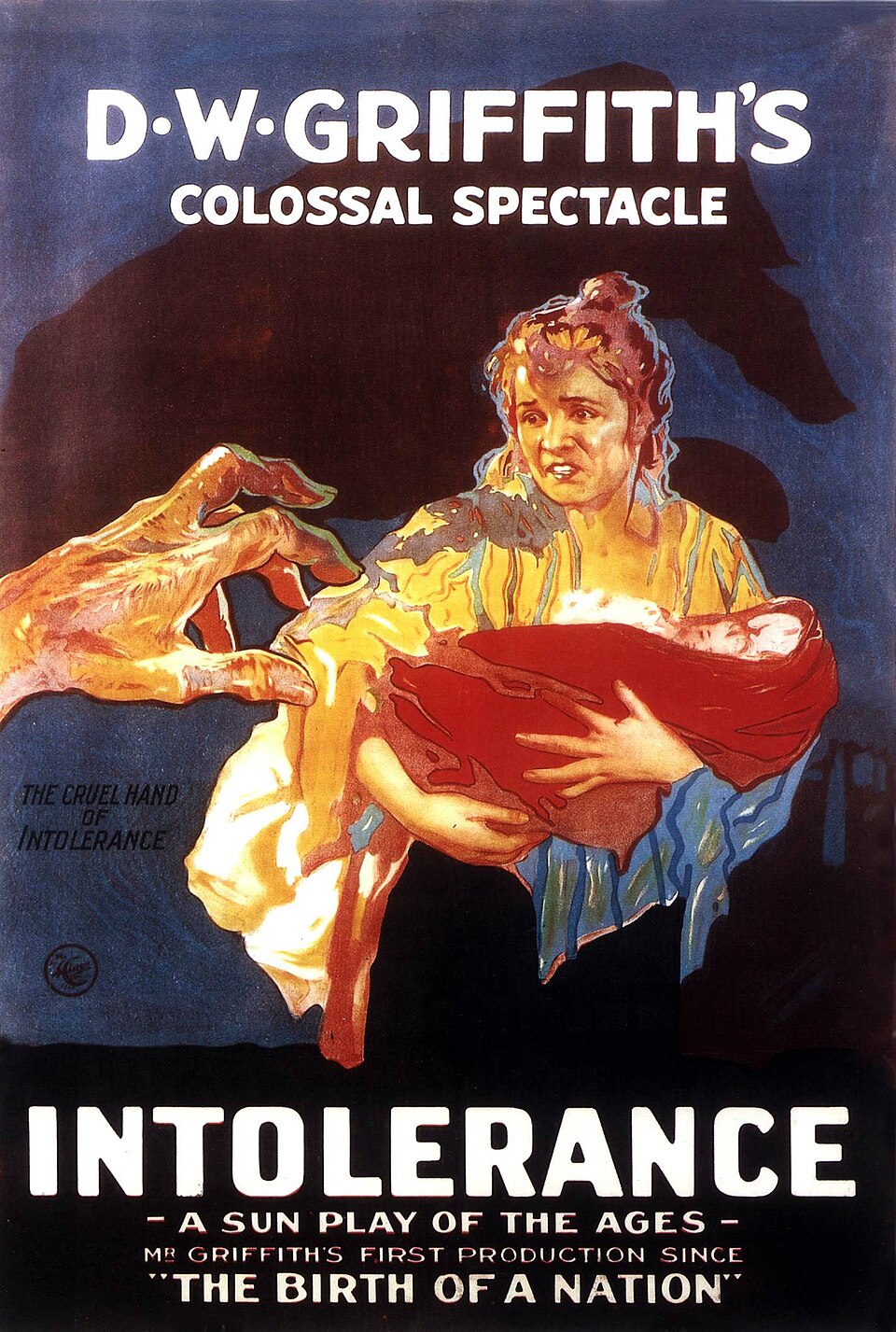
Intolerance (1916) followed as a defiant artistic statement—an ambitious intercutting of four historical eras to indict hypocrisy and persecution across the ages. Though commercially troubled amid wartime distractions, it further refined the language of parallel storytelling and remains a towering technical achievement. Griffith had given the machine its most potent weapons: the tools to manipulate emotion, construct complex narratives, and command mass audiences. He had elevated film from cheap immigrant nickelodeon distraction into a medium capable of expressing the full sweep of our people’s story. The heartland pioneer had spoken in a new tongue—and the machine was listening, learning, and preparing to appropriate.
The Theft and Betrayal: How the Machine Appropriated His Techniques Then Turned on Him
The backlash was immediate and ferocious. The Birth of a Nation drew organized protests from the NAACP, riots in several cities, and demands for censorship or outright bans. The NAACP—whose early leadership and funding carried its own documented entanglements with the same consolidating forces I have traced from the nickelodeon era—weaponized the film’s unapologetic Southern perspective and portrayal of Reconstruction-era disorder (including its depiction of the Ku Klux Klan) to paint Griffith as the singular villain of early cinema. What had been a technically revolutionary and commercially triumphant expression of heartland memory—and a son’s tribute to his Confederate father—was reframed as the original sin of the screen. City after city imposed cuts or prohibitions. New censorship boards sprang up across the nation, many seeded by the same interests that would soon consolidate studio power.
Griffith did not create The Birth of a Nation as some cold commercial calculation or abstract artistic experiment. He made it, in large and deeply personal part, to honor his father. Jacob “Roaring Jake” Griffith’s vivid stories of Confederate service under Stonewall Jackson, the blood and sacrifice of the war, the betrayal of Reconstruction, and the proud Southern way of life that had been violently upended lived on in his son’s memory long after the old colonel’s early death. The film was Griffith’s act of filial piety and cultural defiance—an attempt, using the revolutionary new medium he himself had helped invent, to give voice to the Southern heartland pioneer experience from the inside, rather than through the victors’ distorting lens. It was his way of saying: this is what my father lived, this is what my people endured, and this is the order they fought to restore when chaos and dispossession threatened everything they had built. The technical brilliance served a profoundly personal and ethnic purpose: the defense of his father’s honor and the memory of the founding-stock South against the dominant narrative that had already stripped his family of its land and standing.
Yet even as the machine condemned Griffith, it quietly cannibalized every technique he had pioneered. Close-ups became standard emotional currency. Cross-cutting defined suspense in every thriller and epic that followed. Parallel editing and rhythmic montage influenced generations, including Soviet theorists who studied his work while denouncing its content. The industry that had teetered on the edge of irrelevance before 1915 now possessed a proven grammar for mass persuasion and profit—grammar forged in the mind and on the sets of a Kentucky heartland son of Confederate pioneer stock.
Griffith’s own career trajectory reveals the machine’s ruthless efficiency. Intolerance’s financial strain forced him into independent production at his Mamaroneck studio. He delivered acclaimed works—Broken Blossoms (1919), the famous ice-floe sequence in Way Down East (1920) starring Lillian Gish, Orphans of the Storm (1921)—yet the costs of ambition and the shifting economics of a consolidating industry eroded his independence. He helped launch the careers of Mary Pickford, the Gish sisters, Lionel Barrymore, and others. When sound arrived, his experiments met mixed results: Abraham Lincoln (1930) garnered some respect, but The Struggle (1931) failed commercially. The man who had invented the syntax of feature filmmaking found himself increasingly sidelined, labeled difficult or outdated, his reputation permanently stained by the weaponized controversy surrounding Birth of a Nation. He drifted into bit parts, unemployment, and obscurity. By the time of his death in 1948, the industry he had helped birth had effectively exiled him—another Ethnic American visionary discarded once his utility and his unapologetic heartland perspective no longer served the machine’s evolving narrative control.
Legacy and Erasure: Profits from His Innovations While Smearing His Name
Today the machine still profits from Griffith’s foundational grammar while maintaining the smear. Virtually every film—every cut that builds tension, every close-up that elicits tears or rage, every epic battle assembled through parallel editing—owes its visual language to the Kentucky pioneer who first systematized these methods for emotional and narrative power. Film schools teach “the language of cinema” as if it emerged generically, often with heavy disclaimers that reduce Griffith to a racist footnote or cautionary tale. His name appears in histories accompanied by ritual condemnation, while his innovations are treated as collective property of “early filmmakers” or quietly absorbed into the canon of later, more politically acceptable directors. The Academy of Motion Picture Arts and Sciences and later historians have offered selective honors while the core narrative of erasure persists.
The cultural theft is total. The same studios and streaming empires that traffic in sanitized, deracinated content today deploy the very syntax Griffith invented to move mass audiences—yet they ensure his Southern heartland origins, his Confederate family legacy, and his unapologetic pioneer-stock perspective remain radioactive. Profits flow from the stolen grammar; the man who gave it is kept in the shadows or trotted out only as the original sinner whose “problematic” masterpiece must be perpetually contextualized or suppressed. This is erasure by another name: not the deletion of the work, but the severing of the work from its Ethnic American creator so the machine can claim the inheritance as its own.
Tie-Back to the Series: A Recurring Pattern of Hijacking Foundational Ethnic American Contributions
Griffith’s fate integrates seamlessly into the indictment this series has built across sixteen prior installments. The same machine that framed Roscoe “Fatty” Arbuckle (Part 3), crushed Buster Keaton’s independence and stole his creative control (Part 15), absorbed Walt Disney’s dream and turned his studio into something alien to its founder’s vision (Part 13), exploited and discarded child stars like Shirley Temple (Part 10) and Carl “Alfalfa” Switzer (Part 12), silenced defiant Ethnic American women like Louise Brooks and Frances Farmer (Part 5), and purged rural pioneer-spirit narratives from television in the Rural Purge (Part 14) first consolidated its power on the cinematic language David Wark Griffith gave it—then deployed that language, and the institutional machinery built atop it, to vilify and marginalize the man himself when his father’s honor became the pretext for the attack.
From the nickelodeon gangsters of Part 1 who hijacked Edison’s invention, through the star-system exploitation and scandal-weaponization of the 1920s, to the demographic and narrative purges of later decades, the pattern is consistent and unmistakable. Ethnic American talent and ingenuity create; the machine appropriates, commodifies, and destroys the vessel when the creator’s heartland values or unfiltered truths threaten narrative control. Griffith was not the first; he was among the earliest and most consequential. His techniques became the invisible foundation of virtually every film that followed, yet his name and legacy were sacrificed to protect the machine’s evolving mythology.
Closing Call: Reclaim the Stolen Legacies of Our Pioneer Visionaries
How many more Ethnic American pioneers must be fed to this maw before we recognize the machine for what it is—a predatory consolidating force that builds on our genius, then erases the genius and rewrites the story? David Wark Griffith, son of Confederate heartland stock, Welsh-English pioneer blood and sinew, gave Hollywood its narrative language, its capacity for emotional intimacy and epic scale—not for abstract glory, but in large measure to honor his own father’s service and the Southern pioneer world that had been stolen from him. The machine took the grammar, built empires, and ensured the grammarian would be remembered primarily as the man whose masterpiece required perpetual apology. This is theft on a civilizational scale.
We must reclaim these legacies with the same unyielding spirit our forbearers brought to the wilderness. Speak the unvarnished record: Griffith’s innovations, the deeply personal motivation rooted in his father’s honor, the weaponized backlash that served consolidation rather than truth. Support independent voices and platforms that refuse the machine’s curated history. Teach our children that the screen’s foundational grammar was forged by one of our own—a free White person of good moral character from the Kentucky heartland whose family embodied the 1790 covenant—before it was hijacked and turned against him.
Embrace the Ranger ethos that has sustained our people through every betrayal: Deeds Not Words. The screen was never meant to be a weapon against us. Through vigilance, truth-telling, and the patient work of reclamation, we take it back—one stolen legacy at a time.
In the next installment of The Stolen Screen, we expose further chapters in this saga of theft, resilience, and reclamation. Stay vigilant, kinsmen. Our cultural inheritance demands deeds.
© James Sewell 2026 – All rights reserved
A personal note from James Sewell
Kinsmen, as a 13th-generation Ethnic American whose ancestors arrived in the 1600s and who still carries the motto “Deeds Not Words” in my blood, researching and writing this piece on D.W. Griffith hit harder than most. Here was a true son of the Kentucky heartland—Welsh-English pioneer stock, son of a Confederate colonel—who gave the entire film industry its fundamental visual language. The machine took every technique he perfected, built empires upon them, and then destroyed the man when his unapologetic Southern founding-stock perspective (and his father’s honor) no longer served their consolidating agenda.
This is not ancient history. It is the original template for the theft I have documented across this entire series. Griffith’s genius still powers nearly every frame we watch today, yet his name is kept radioactive while others claim the credit. We do not honor him with disclaimers or footnotes. We honor him by reclaiming the narrative, crediting our people, and refusing to let the machine write our cultural history.
Thank you for walking this road with me. Your eyes on these truths keep the fire alive. Share this. Teach it. Live it.
The rest of the series can be found at the following links:
- Part 1 of “The Stolen Screen” (The Nickelodeon Gang) is here
- Part 2 of “The Stolen Screen” (Mabel Normand and Mack Sennett) is here
- Part 3 of “The Stolen Screen” (Roscoe “Fatty” Arbuckle) is here
- Part 4 of “The Stolen Screen” (William Desmond Taylor & Mary Miles Minter) is here
- Part 5 of “The Stolen Screen” (Louise Brooks, Frances Farmer) is here
- Part 6 of “The Stolen Screen” (Thomas H. Ince) is here
- Part 7 of “The Stolen Screen” (Thelma Todd) is here
- Part 8 of “The Stolen Screen” (Wallace Reid) is here
- Part 9 of “The Stolen Screen” (The Black Dahlia) is here
- Part 10 of “The Stolen Screen” (Shirley Temple) is here
- Part 11 of “The Stolen Screen” (Clara Bow) is here
- Part 12 of “The Stolen Screen” (Carl “Alfalfa” Switzer) is here
- Part 13 of “The Stolen Screen” (Walt Disney) is here
- Part 14 of “The Stolen Screen” (The Rural Purge) is here
- Part 15 of “The Stolen Screen” (Buster Keaton) is here
- Part 16 of “The Stolen Screen” (Judy Garland) is here
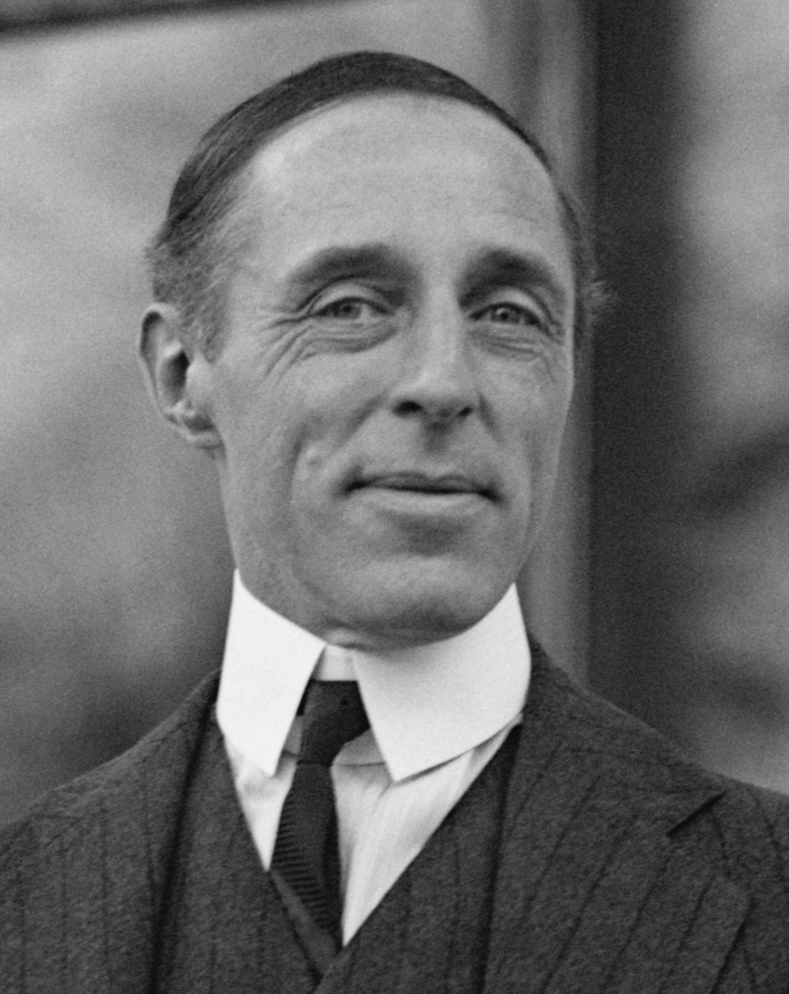
Let’s remember the father of film — David Wark Griffith
FindaGrave.com