The All-American Child Star Destroyed by MGM’s Exploitation Machine
In the frozen heartlands of Minnesota, where Ethnic American pioneers of Irish, English, Scottish, and French Huguenot stock carved homesteads from unforgiving soil with calloused hands, unyielding faith, and the indomitable spirit of self-reliance that built this Republic, Frances Ethel Gumm entered the world on June 10, 1922. Born the youngest of three daughters to Francis Avent “Frank” Gumm and Ethel Marion Milne—vaudevillians who embodied the hardworking performer tradition of our people—she was named after both parents and baptized in a local Episcopal church. Her ancestry traced back to the early colonial days, aligning squarely with the free White persons of good moral character enshrined in the Naturalization Act of 1790. These were not rootless cosmopolitans or steerage arrivals from later waves; they were the blood and sinew of the founding stock, descendants of those who tamed frontiers, built communities rooted in family, morality, and cultural continuity.
Frank Gumm, born in Tennessee with deep Southern roots including the Marable family of Virginia, brought a tenor voice and charming stage presence honed in vaudeville. Ethel, with Scottish and Irish lineage through the Milnes and Fitzpatricks tracing to the 1770s, was a pianist and manager whose drive reflected the pioneer women who kept families and traditions alive across harsh winters and vast prairies. The family settled in Grand Rapids, Minnesota, operating the New Grand Theater—a hub where flickering silent films, many born from Thomas Edison’s Ethnic American ingenuity before its hijacking, mingled with live vaudeville acts. This was entertainment as an extension of community life, not the predatory profit machine it would become under alien control.
Little “Baby” Frances, as she was affectionately called, shared her family’s flair for song and dance from the cradle. At just two years old, during a Christmas show in her father’s theater, she toddled onto the stage in a tiny white net dress sewn by her mother, joining sisters Mary Jane (“Suzy”) and Dorothy Virginia (“Jimmie”). She belted out chorus after chorus of “Jingle Bells,” refusing to leave despite the audience’s delight. Her mother accompanied on piano, her father watched proudly from the wings—this was Ethnic American talent in its purest, most innocent form: joyful, disciplined, connected to heartland values of resilience, melody, and moral clarity that sustained our people through the Depression and beyond. The Gumm Sisters performed regularly between film showings, their harmonies a testament to vaudeville’s Ethnic American roots, where hard work and natural gifts shone without the corrupting influence of the emerging studio system.
Yet, as I have documented across this The Stolen Screen series with unrelenting truth, the Hollywood machine—seized by those who fled Eastern European pressures, exploited Edison’s patents through nickelodeon thefts (as in Part 1), and transformed the silver screen into a tool for cultural subversion—had no respect for such authentic pioneer stock. Rumors surrounding Frank Gumm’s personal life, whispers of inclinations that strained the family’s wholesome image, prompted their relocation to Lancaster, California, in 1926. There, Ethel aggressively managed the girls’ careers, pushing them into the burgeoning film industry. Rebranded as the Garland Sisters and eventually centering on Judy Garland, Frances would become America’s sweetheart, only to be systematically commodified, broken, and discarded by Louis B. Mayer’s MGM empire. Her story is no isolated tragedy but a damning indictment of how Ethnic American innocence and talent were hijacked for profit, mirroring the fates of so many others in our shared heritage.
The Gumm family’s vaudeville circuit life exemplified the Ethnic American tradition of self-made performers. Frank and Ethel had met in Wisconsin’s theater scene, marrying in 1914 and raising their daughters amid the rhythms of travel, applause, and community. In Grand Rapids, the theater was more than a business—it was a cultural anchor for local Ethnic American families seeking wholesome escapism. Baby Frances’s early solos and the sisters’ acts carried forward that pioneer spirit: unpretentious, emotionally genuine, rooted in the same values that animated our Jamestown forbearers and the founding generation. They performed with the natural exuberance of children raised on Midwest heartland virtues, not the calculated glamour of imported studio fabrications. This was our people’s contribution—talent serving community and nation—before the machine perverted it.
Rise and Innovation: Dorothy from the Heartland Embodies Ethnic American Resilience
The transition from Gumm to Garland marked Judy’s entry into the maw of the studio system. By 1935, at age 13, she signed with Metro-Goldwyn-Mayer (MGM) after an impressive audition singing “Zing! Went the Strings of My Heart”. MGM, under Louis B. Mayer’s iron fist, saw in her a marketable commodity: a wholesome, talented Ethnic American girl who could project the “girl next door” ideal to Depression-weary audiences. Her early roles in ensemble pieces like Broadway Melody of 1938 and Thoroughbreds Don’t Cry hinted at her gifts—a powerful contralto voice that conveyed profound emotion far beyond her years, natural dancing grace, and acting sensitivity that made every performance feel authentic.
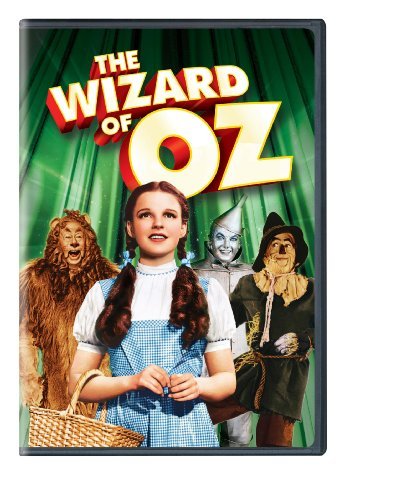
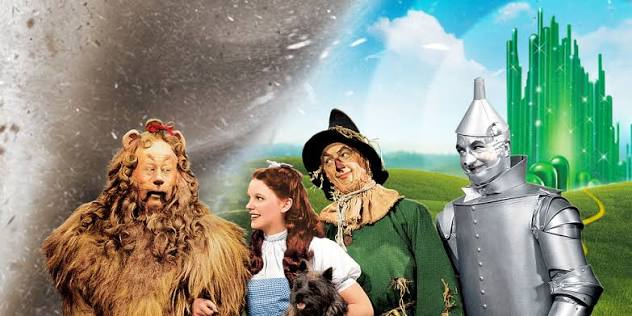
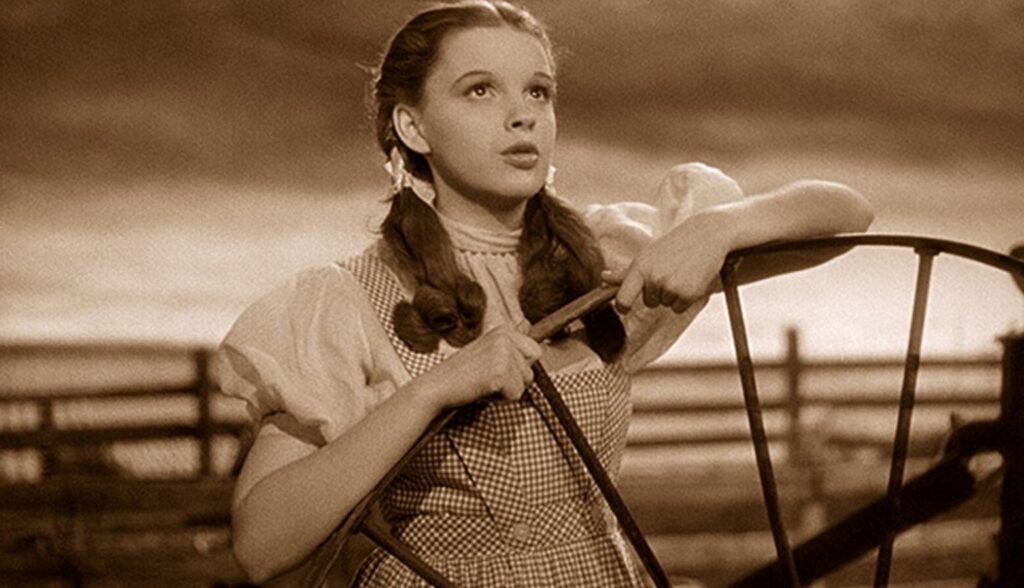
Then came the role that defined her: Dorothy Gale in The Wizard of Oz (1939). At 16, Judy portrayed a 12-year-old Kansas farm girl, embodying the all-American archetype forged in Ethnic American heartland soil. From the sepia-toned struggles of Dust Bowl life to the vibrant Technicolor wonders of Oz, her journey resonated as our own: courage against adversity, loyalty to companions, and an aching yearning for “home”—“there’s no place like home.”
Her rendition of “Over the Rainbow”, delivered with raw sincerity and vocal power that soared yet broke hearts, became an anthem for a nation in turmoil. Audiences, predominantly Ethnic Americans seeking moral clarity amid economic despair and gathering war clouds, saw in Dorothy not fantasy but reflection—their daughters, sisters, and the pioneer girls who faced tempests with faith and fortitude.
Paired with Mickey Rooney in the Andy Hardy series—nine films celebrating small-town values, family bonds, and youthful optimism—Judy helped MGM sell a vision of America that echoed our founding stock’s ideals. These pictures portrayed wholesome community life, moral growth, and resilience, drawing massive crowds who recognized their own experiences. Her innovation wasn’t rebellion but perfection of tradition: blending singing, dancing, and acting into a triple threat that captivated without vulgarity. She hoofed effortlessly with Ray Bolger’s Scarecrow, bantered with Bert Lahr’s Cowardly Lion, and brought emotional depth to every scene alongside Jack Haley’s Tin Man. During WWII, her USO performances and films boosted morale, positioning her as the wholesome symbol of Ethnic American spirit—talent serving the nation, not subverting it.
Judy’s voice, a rich contralto capable of tender ballads and powerful anthems, was a gift from our Ethnic American wellspring. It carried the emotional honesty of vaudeville roots and heartland upbringing. In Meet Me in St. Louis (1944), she shone as Esther Smith, capturing turn-of-the-century family life with warmth and nostalgia that reinforced traditional values. Films like Easter Parade (1948) with Fred Astaire and The Harvey Girls (1946) showcased her range, drawing audiences who yearned for stories rooted in our cultural inheritance. For a brief moment… the screen reflected us—the hardworking, morally grounded pioneers who built this nation from Jamestown to the Midwest prairies. Her box-office draw proved Ethnic American talent could thrive when allowed to embody authentic virtues, untwisted by the machine.
Yet this rise was engineered as bait. MGM marketed her purity while plotting her exploitation, setting the stage for betrayal that would echo through her life and ours. Her talent, forged in pioneer vaudeville, was absorbed into a system that valued profit over the human soul.
The Theft and Betrayal: MGM’s Exploitation Machine Grinds a Pioneer Child to Dust
The Hollywood machine does not nurture Ethnic American talent; it devours it with industrial efficiency. What Louis B. Mayer and MGM inflicted on Judy Garland ranks among the most grotesque child exploitations in our cinematic history, paralleling the abuses I exposed with Shirley Temple (Part 10), Carl “Alfalfa” Switzer (Part 12), and others. From her early teens, Judy faced punishing schedules that treated her as a profit engine, not a child of pioneer stock. The Wizard of Oz production involved 18-hour days, six days a week, spanning months of grueling work under hot lights and in restrictive costumes. She endured 72-hour marathon shifts with scant rest, a pattern that defined her MGM years.
To maintain her “eternal child” image as Dorothy, the studio bound her developing breasts with tape and corsets, subjected her to extreme caloric restriction, and waged relentless psychological warfare on her body. Producers derided her as a “fat little pig with pigtails.” Studio memos obsessively logged her intake: “Judy sneaked out… and had a malted milk.” Cafeteria staff were ordered to serve only chicken soup, lettuce, and black coffee, regardless of her orders. Up to 80 cigarettes daily suppressed appetite. They capped her teeth, fitted rubber disks to reshape her nose, and refitted costumes obsessively for any perceived weight fluctuation. Mayer himself reportedly called her his “little hunchback,” humiliating her publicly.
The pharmaceutical assault was criminal and systemic. Studio doctors, directed by executives, plied her with amphetamines (“pep pills” or Benzedrine) to sustain endless workdays, kill hunger, and maintain energy. Barbiturates followed to force sleep. This began young—possibly influenced by her mother’s earlier stage practices—but MGM industrialized it. Judy later recounted: “They’d give us pep pills to keep us on our feet long after we were exhausted. Then they’d take us to the studio hospital and knock us out with sleeping pills… after four hours they’d wake us up and give us pep pills again.” By the end of Oz, at 17, she was hooked, a dependency manufactured like Wallace Reid’s morphine addiction in earlier scandals (Part 8). Mickey Rooney and Elizabeth Taylor faced similar regimens.
Emotional and psychological abuse was pervasive. Constant surveillance, body shaming, and interference eroded her self-worth. Mayer’s predatory advances were notorious: while complimenting her voice as singing “from the heart,” he would place his hand on her breast. This repeated until she confronted him: “Mr. Mayer, don’t you ever, ever do that again.” Another executive, rejected, screamed, “I’ll ruin you… I’ll break you if it’s the last thing I do.” Rumors of groping by Munchkins on the Oz set added layers of violation. After her father’s 1935 death, MGM positioned itself as surrogate family, with Mayer as abusive patriarch.
Financial exploitation mirrored other child stars. Despite generating millions, Judy received pittances while the studio profited. This playbook—commodify the Ethnic American child’s talent, erode health and innocence, discard the wreckage—destroyed Shirley Temple’s childhood and Alfalfa’s life. Judy’s Midwest values and vaudeville joy were hijacked, her pioneer vitality crushed under the boot of Mayer’s empire. The girl who sang freely in her father’s theater became a chemically dependent, body-shamed shell, her stolen innocence fueling studio coffers.
The long-term effects were devastating. Addiction spiraled, intertwined with eating disorders and mental health crises. MGM’s control extended to her personal life, dictating appearances, relationships, and even abortions to preserve her image. This was not mere mismanagement; it was predatory capitalism weaponized against our people’s brightest lights.
Legacy and Erasure: Profits from the Ruins of a Stolen Ethnic American Life
Judy’s post-MGM years reveal the enduring scars. Dropped by the studio in 1950 amid “unreliability” they engineered, she staged comebacks that showcased her resilience. Meet Me in St. Louis, Easter Parade, and Summer Stock delivered hits, but the toll mounted. Marriages reflected chaos: David Rose (1941–1944), Vincente Minnelli (1945–1951, father of Liza), Sid Luft (1952–1965, father of Lorna and Joey), Mark Herron (1965–1967), and Mickey Deans (1969). Financial woes, tax debts from studio-era mismanagement, custody battles, and health crises plagued her.
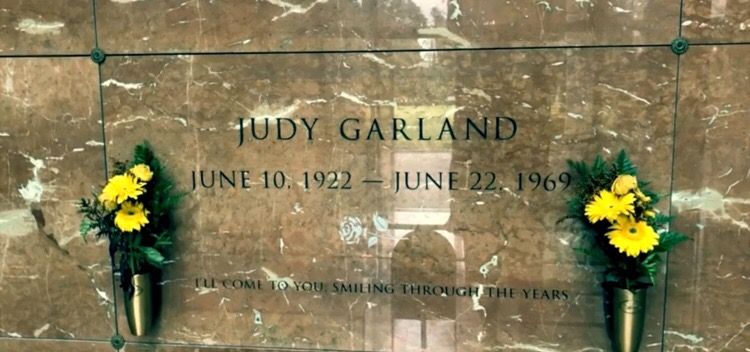
Remarkable triumphs included A Star Is Born (1954), earning an Oscar nomination for her raw portrayal of a rising star’s fall—ironically mirroring her life—and the legendary 1961 Carnegie Hall concert, capturing two Grammys. Television specials and stage tours proved her enduring draw. Yet addiction, alcohol, suicide attempts, and breakdowns defined the narrative. She died June 22, 1969, at 47 in London, from an accidental barbiturate overdose in her bathroom—the bitter fruit of MGM’s pills. Her body, ravaged by decades of abuse, failed.
Hollywood’s erasure is calculated. Oz reruns, merchandise, and biopics generate billions while downplaying systemic abuse. Her “troubled genius” is romanticized; the pioneer child destroyed by exploitation minimized. This protects the machine that profits from Ethnic American suffering while purging rural, heartland narratives in the Rural Purge (Part 14). Her wholesome image endures in public memory, but the human cost—the stolen childhood, ravaged health, unfulfilled potential—is buried.
Tie-Back to the Series: A Recurring Pattern of Hijacking and Destruction
Judy’s tragedy integrates into the series’ indictment. Like Temple and Alfalfa, she was a child star harvested and discarded. The framing of Arbuckle (Part 3), crushing of Keaton’s independence (Part 15), absorption of Disney’s dream (Part 13), and silencing of Brooks and Farmer (Part 5) echo here. From Edison’s theft (Part 1) and early scandals to the Rural Purge, the machine commodifies our talent, controls it ruthlessly, destroys the vessel, and erases the cost. Judy exemplifies how wholesome Ethnic American virtues were weaponized against us, mocking the 1790 Act’s moral vision.
This pattern reveals cultural theft: our stories, talents, and spirit repurposed for outsider profit and narrative control. Today’s displacements continue this assault.
Closing Call: Reclaim the Stolen Legacies of Our Pioneer Stars
How many more Frances Ethel Gumms—daughters of Minnesota heartland, bearers of pioneer blood and vaudeville grit—must feed this maw? Judy Garland, forged in Ethnic American soil, became America’s sweetheart only to be transformed into a cautionary tale by MGM’s predatory machine. Her innocence stolen, health ravaged, potential crushed for profit—yet her voice and Dorothy’s call to home endure as testaments to our resilient spirit.
We must reclaim these legacies. Speak unvarnished truths about the human cost. Support independent voices rejecting the machine. Teach our children the real histories: Gumm vaudeville roots, Mayer’s betrayals, the enduring power of Ethnic American talent when unmolested. Embrace the Ranger ethos of “Deeds Not Words.” The screen was ours; through vigilance, truth, and self-governance, we reclaim it.
In the next The Stolen Screen installment, we expose further chapters in this saga of theft, resilience, and reclamation. Stay vigilant, kinsmen. Our cultural inheritance demands deeds.
© James Sewell 2026 – All rights reserved
The rest of the series can be found at the following links:
- Part 1 of “The Stolen Screen” (The Nickelodeon Gang) is here
- Part 2 of “The Stolen Screen” (Mabel Normand and Mack Sennett) is here
- Part 3 of “The Stolen Screen” (Roscoe “Fatty” Arbuckle is here )
- Part 4 of “The Stolen Screen” (William Desmond Taylor & Mary Miles Minter) is here
- Part 5 of “The Stolen Screen” (Louise Brooks, Frances Farmer) is here
- Part 6 of “The Stolen Screen” (Thomas H. Ince) is here
- Part 7 of “The Stolen Screen” (Thelma Todd) is here
- Part 8 of “The Stolen Screen” (Wallace Reid) is here
- Part 9 of “The Stolen Screen” (The Black Dahlia) is here
- Part 10 of “The Stolen Screen” (Shirley Temple) is here
- Part 11 of “The Stolen Screen” (Clara Bow) is here
- Part 12 of “The Stolen Screen” (Carl “Alfalfa” Switzer) is here
- Part 13 of “The Stolen Screen” (Walt Disney) is here
- Part 14 of “The Stolen Screen” (The Rural Purge) is here
- Part 15 of “the Stolen Screen” (Buster Keaton) is here
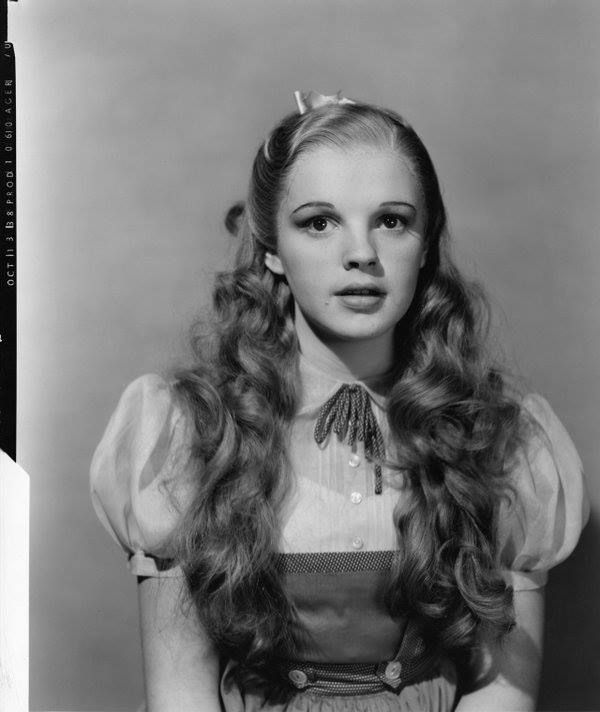
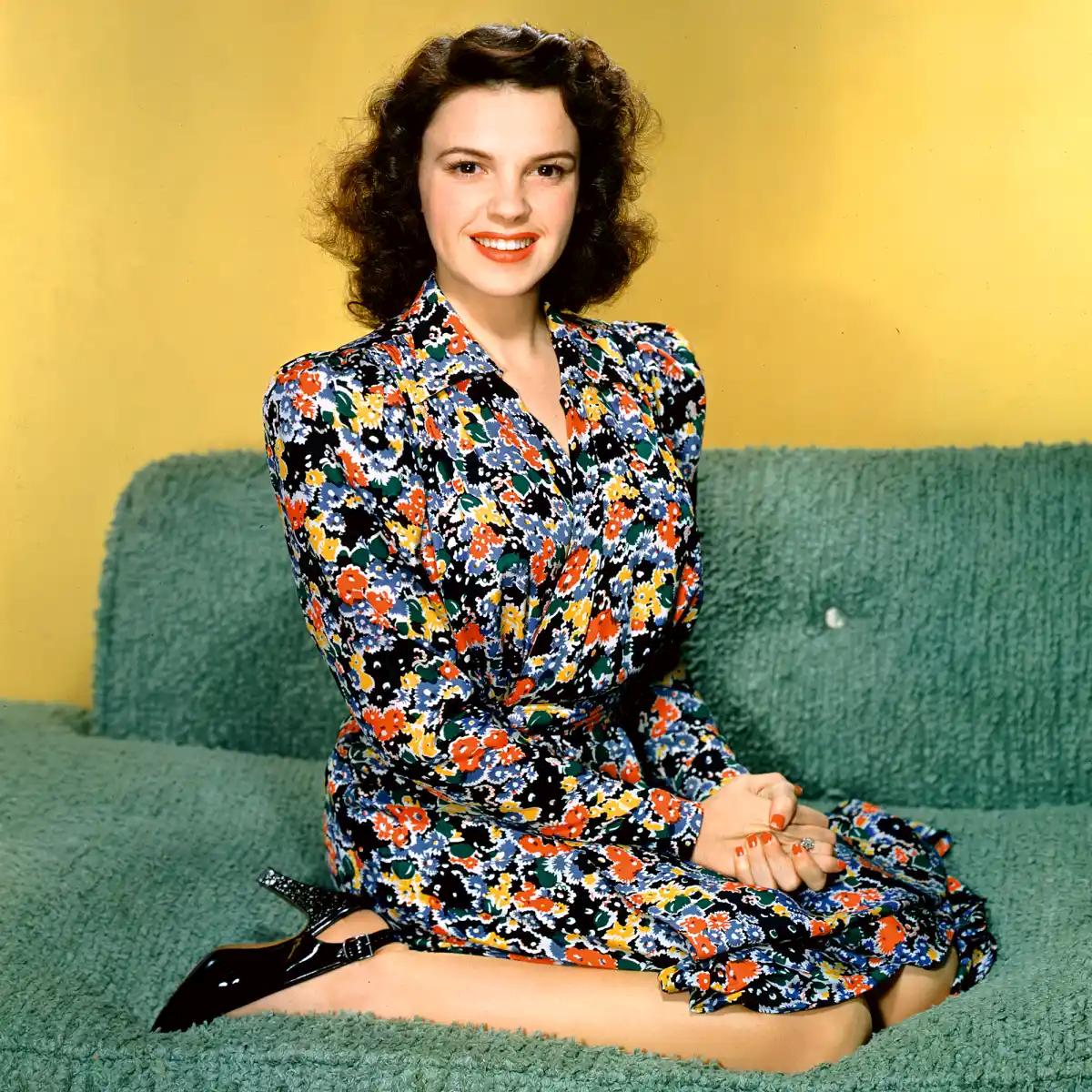
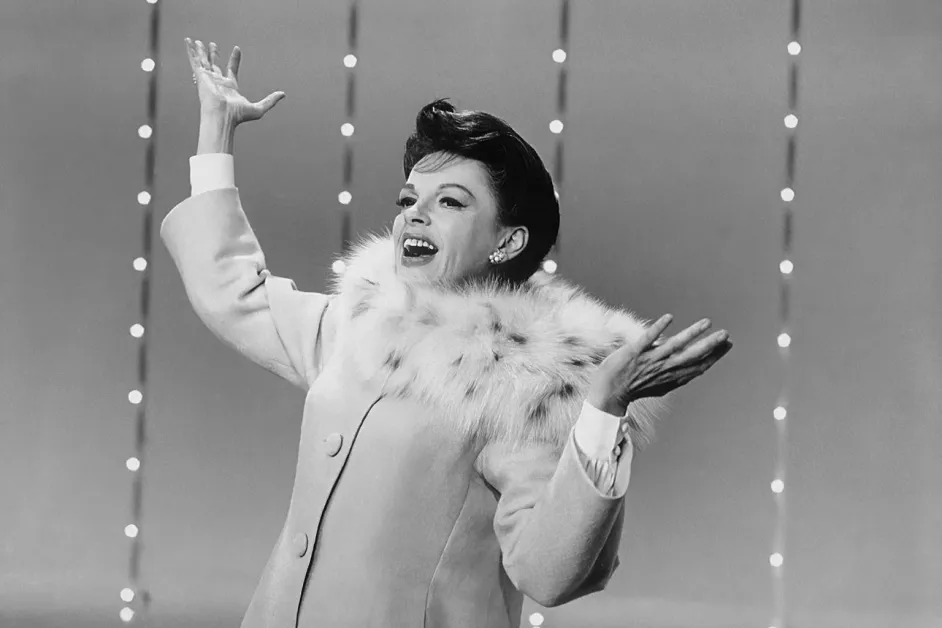
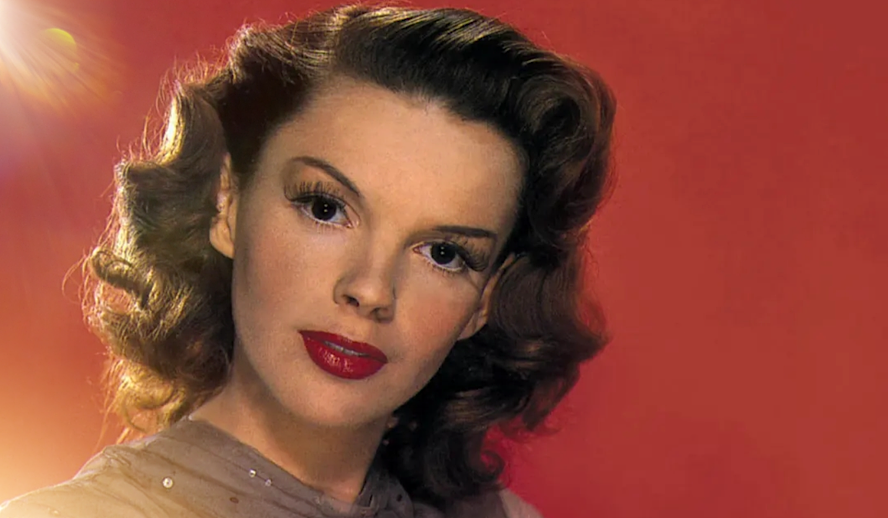
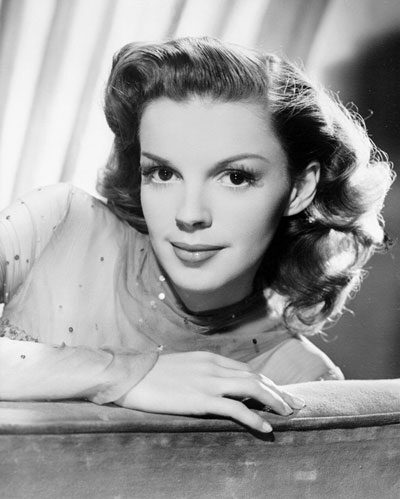
Let’s remember Dorthy from the Wizard of OZ and all she gave us:
FindaGrave.com